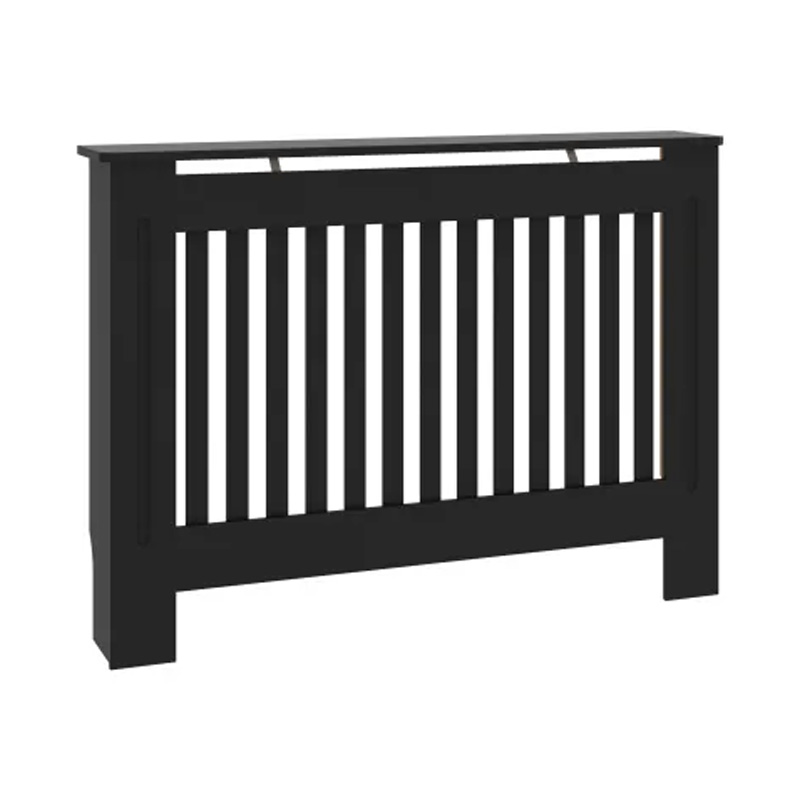
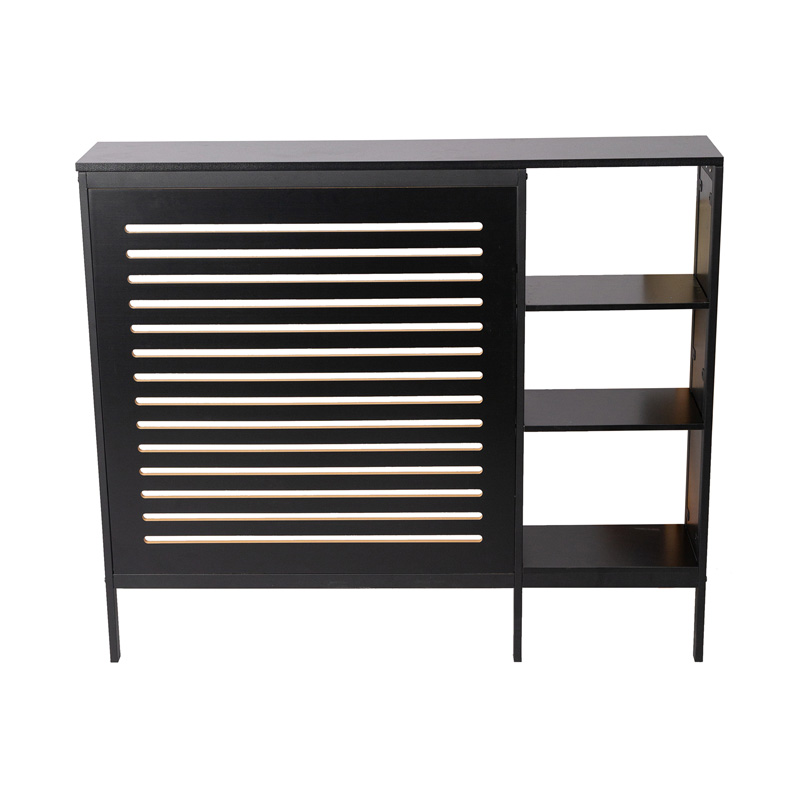
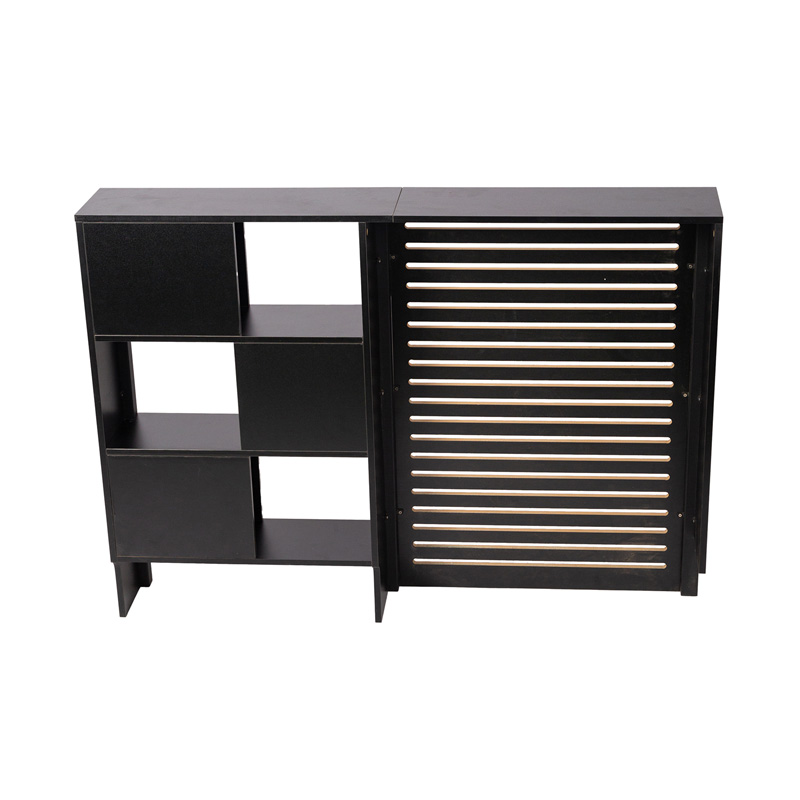
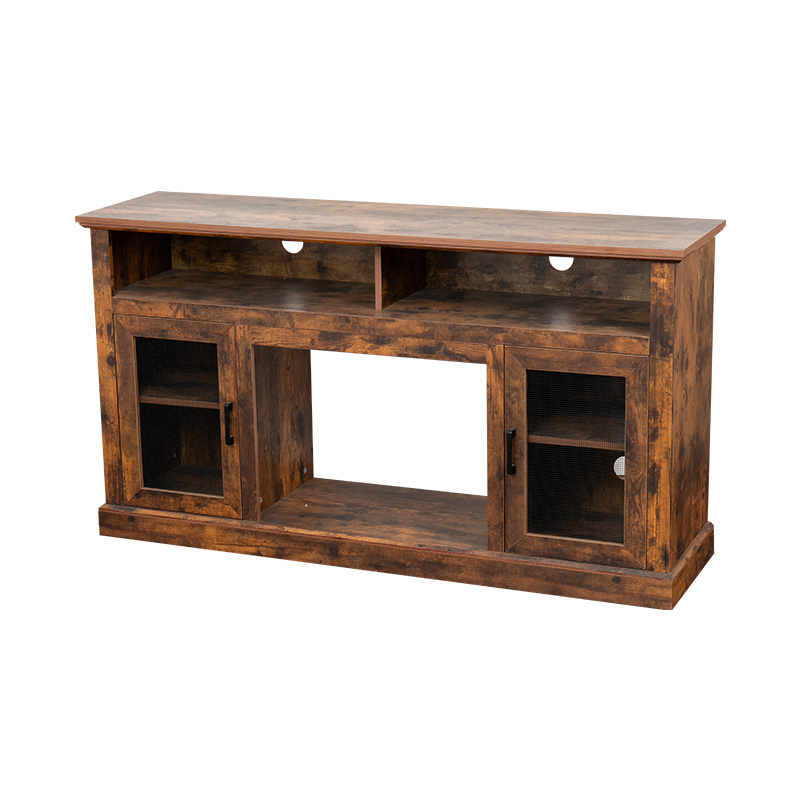
A radiator sits on the wall, metal and ugly. It works, but it does not belong in the room. A pure wooden radiator cover wraps around it, turning the heater into a piece of furniture. The wood softens the look. The top becomes a shelf. The front panel lets the heat through while hiding the fins and the pipes. For homeowners who want the radiator to disappear without losing the heat, the wooden cover is the answer.
Wood Instead of MDF
Most radiator covers are MDF. It is cheap, stable, and easy to paint. A pure wooden radiator cover uses solid wood or plywood instead. The grain shows. The joints look like furniture. The cover has weight and presence that painted MDF cannot match.
The wood choice matters. Pine is light and inexpensive. Oak is dense and durable. Beech machines clean and takes a smooth finish. A pure wooden radiator cover built from hardwood costs more and lasts longer. Softwood covers cost less but dent easier.
The finish is oil, wax, lacquer, or paint. Oil and wax show the grain and let the wood breathe. Lacquer seals the surface and protects against the heat cycling. A pure wooden radiator cover with a heat-resistant finish keeps its color through the heating season.
The Heat Still Has to Flow
A radiator cover is not a solid box. If it traps the heat, the room goes cold. A pure wooden radiator cover has openings in the front panel and the top. Hot air rises through the top grille. Cool air enters at the bottom. The convection cycle keeps working.
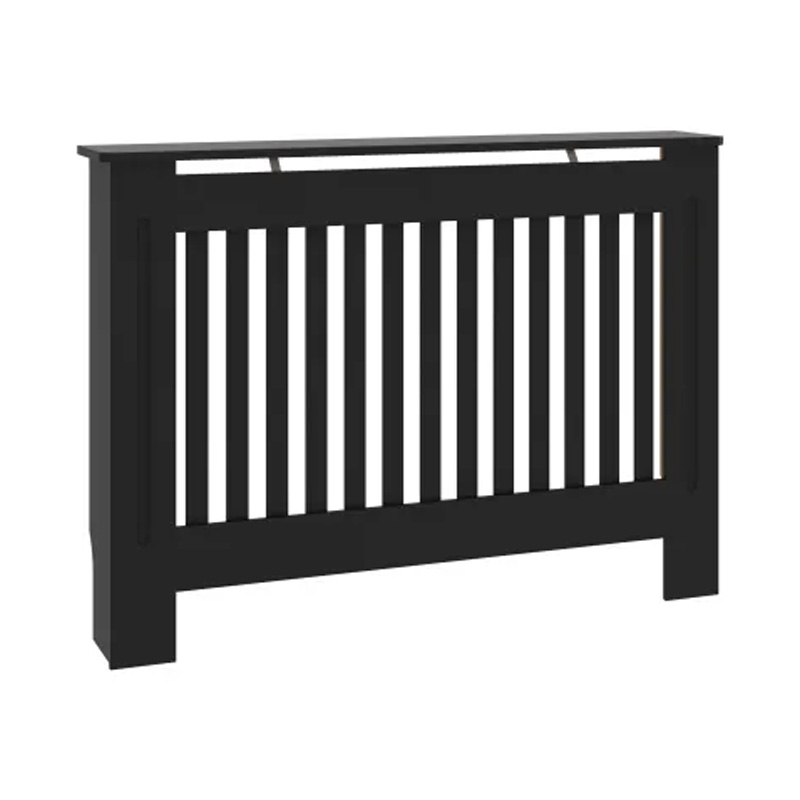
The front panel can be slats, a grille pattern, or a cutout design. The openings have to be large enough to let the heat out but small enough to hide the radiator. A pure wooden radiator cover with a well-designed front panel balances the two.
The top shelf sits above the heat flow. The heat rises through the grille and into the room. The shelf stays warm but not hot. A pure wooden radiator cover with a properly positioned top grille lets the user put a plant or a photo on the shelf without worrying about heat damage.
The Fit and the Finish
The cover has to fit the radiator. It needs space around the metal for airflow. A pure wooden radiator cover with the right internal clearance sits over the radiator without touching it. The cover hides the pipes and the valves. The back is open or partially open against the wall.
The joints are the quality marker. A properly built cover uses dovetails, mortise and tenon, or clean butt joints with reinforcement. A pure wooden radiator cover with solid joinery stays square through the heating and cooling cycles. A cover that racks out of square looks bad and falls apart.
Here is what a pure wooden radiator cover needs to deliver:
- Solid wood or plywood construction
- Front panel openings for airflow
- Top grille for heat release
- Internal clearance around the radiator
- Heat-resistant finish
- Joints that hold through temperature cycles
The Room It Fits
Old houses with cast iron radiators have heating that works but looks industrial. A pure wooden radiator cover brings the room back to a residential feel. The wood matches the floor or the furniture. The radiator becomes a shelf with a hidden function.
Modern homes with panel radiators use the cover the same way. The radiator is a white metal rectangle on the wall. A pure wooden radiator cover makes it look like a built-in cabinet.
The shelf on top earns its space. Books, plants, photos. A pure wooden radiator cover with a deep enough top shelf adds storage where there was none.
The Wood That Moves With the Heat
Wood expands and contracts with temperature and humidity. A radiator cover lives in the hottest, driest spot in the room during winter and the most humid in summer. The wood has to move without cracking. A pure wooden radiator cover built with proper joinery and an understanding of wood movement stays together through the seasons.
The finish has to handle the same cycle. A finish that blisters or peels from the heat looks worse than the radiator. A properly applied heat-resistant finish holds.
A pure wooden radiator cover hides the heater and adds a shelf. The wood brings warmth. The airflow keeps the heat flowing. Choose a cover with solid joinery, proper openings, and a finish that handles the heat. The radiator disappears. The room comes together. That is the point.


 中文简体
中文简体