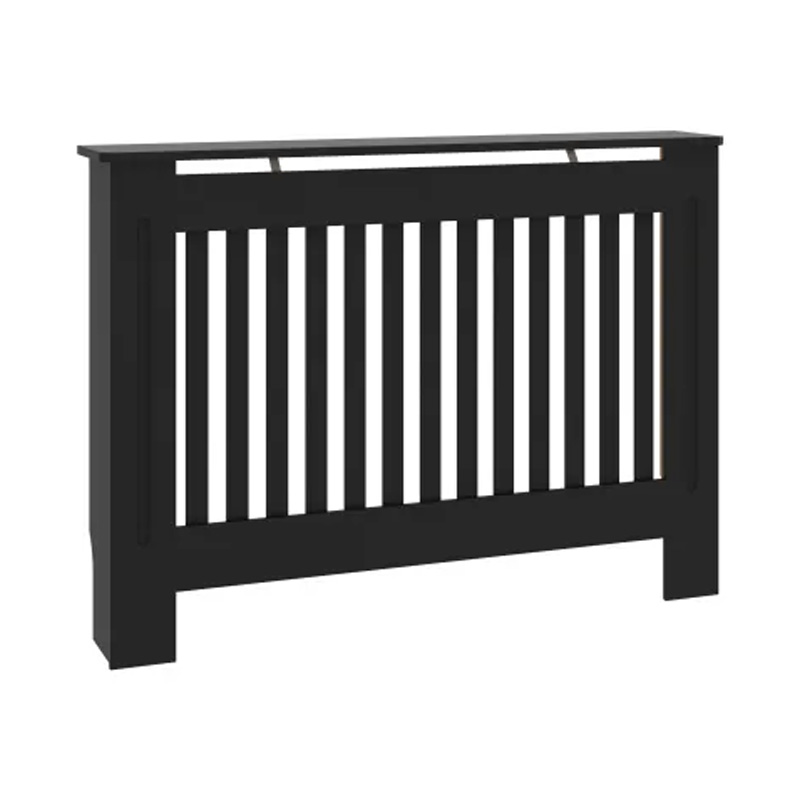
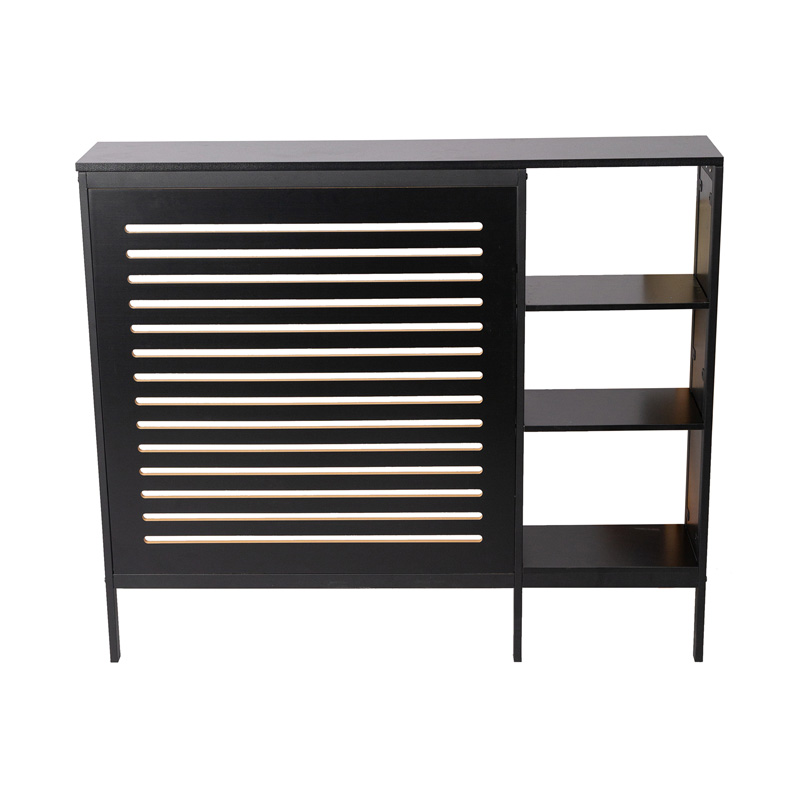
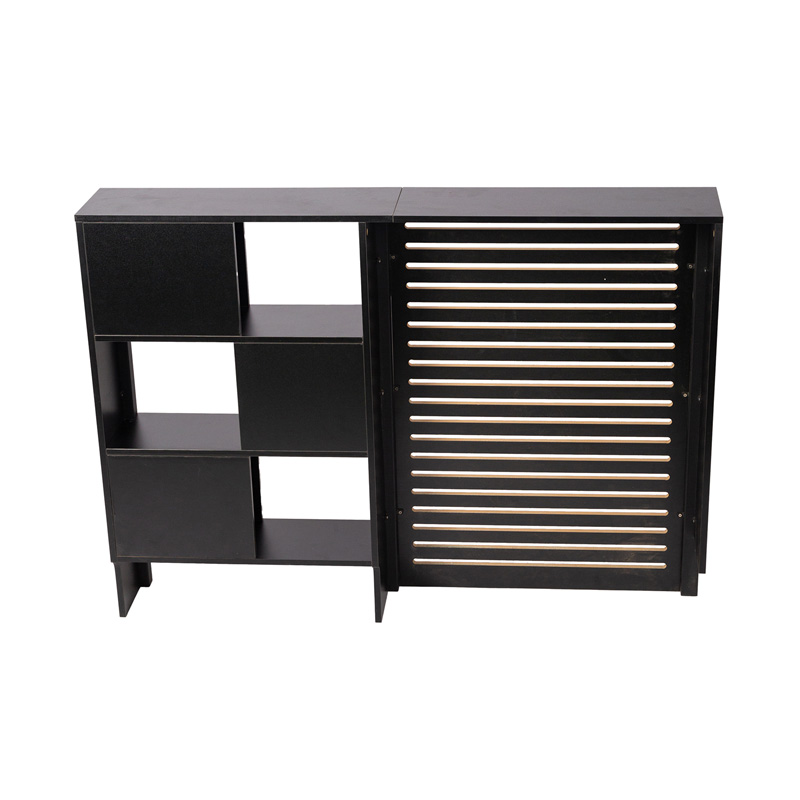
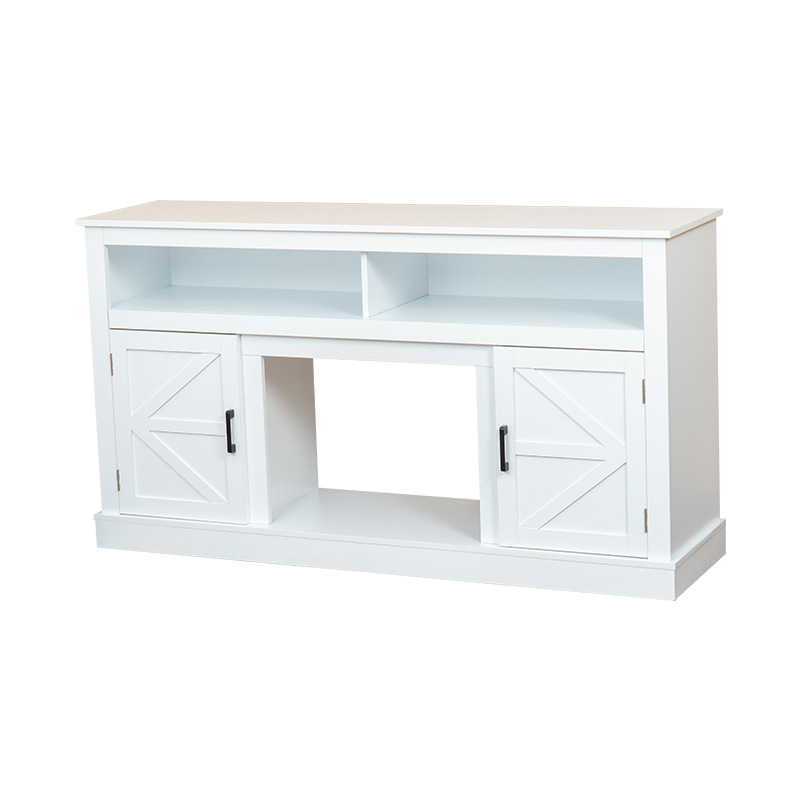
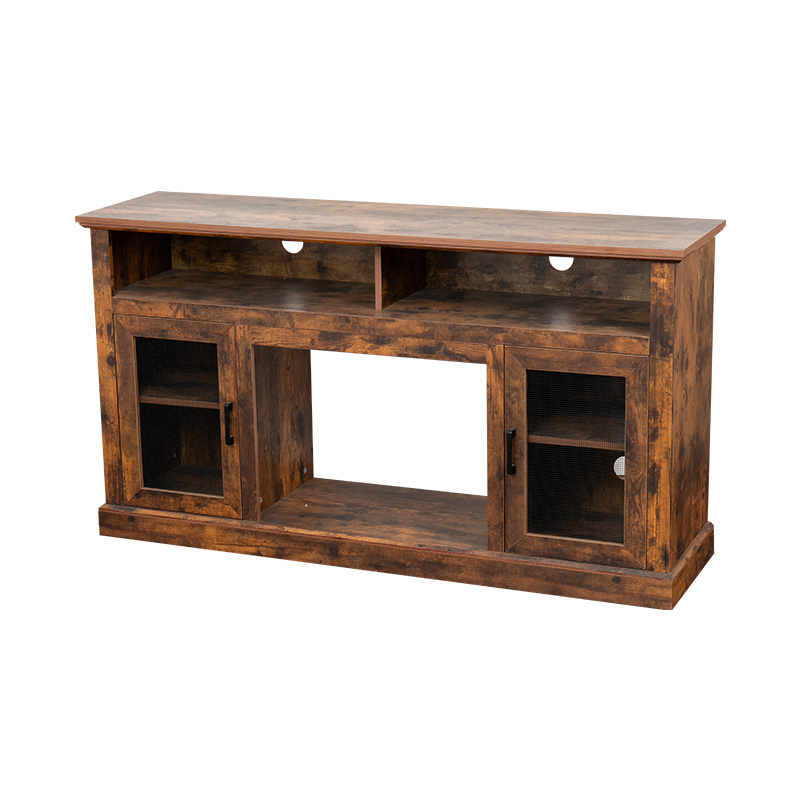
Production of wooden and iron furniture handicrafts
This is a very popular style currently, combining the warmth of wood and the coldness of metal, and the craftsmanship needs to balance both.
Core processes and precautions:
Structural design:
Clearly identify who is the main load-bearing structure. Usually, iron frames are used as the main framework, while wood is used as panels, tabletops, or decorative fillers.
Considering the difference in thermal expansion and contraction coefficients between two materials, a small margin of movement needs to be left at the connection.
Connection technology:
Mechanical connection is the best choice:
Pre embedded nut: Drill holes in wood, embed embedded nuts, and screw iron parts in with screws.
Long hole connection: Open elliptical long holes on the iron frame to allow screws to move slightly inside the holes, adapting to the expansion and contraction of the wood.
Buckle/Hanging: Cleverly designed slot structure allows wooden components to be "hung" or "stuck" on the iron frame.
Avoid direct rigid connections: Try to avoid fixing the wood directly to the iron frame with screws, as it is prone to cracking due to stress concentration over time.
Independent processing, final assembly:
Complete all processing, polishing, and surface treatment separately for the wooden and iron parts.
Special attention: A large amount of dust and spray will be generated in the process of iron polishing, welding, painting, etc., which will easily pollute the finished wood surface. Therefore, it is necessary to complete it in an independent workstation.
After all components have undergone final processing, clean assembly can be carried out.
Unified style:
The color and texture of wood should be coordinated with the surface treatment of iron (such as aging, sanding, black, etc.) to create the desired overall style (industrial style, retro style, modern minimalist style, etc.).