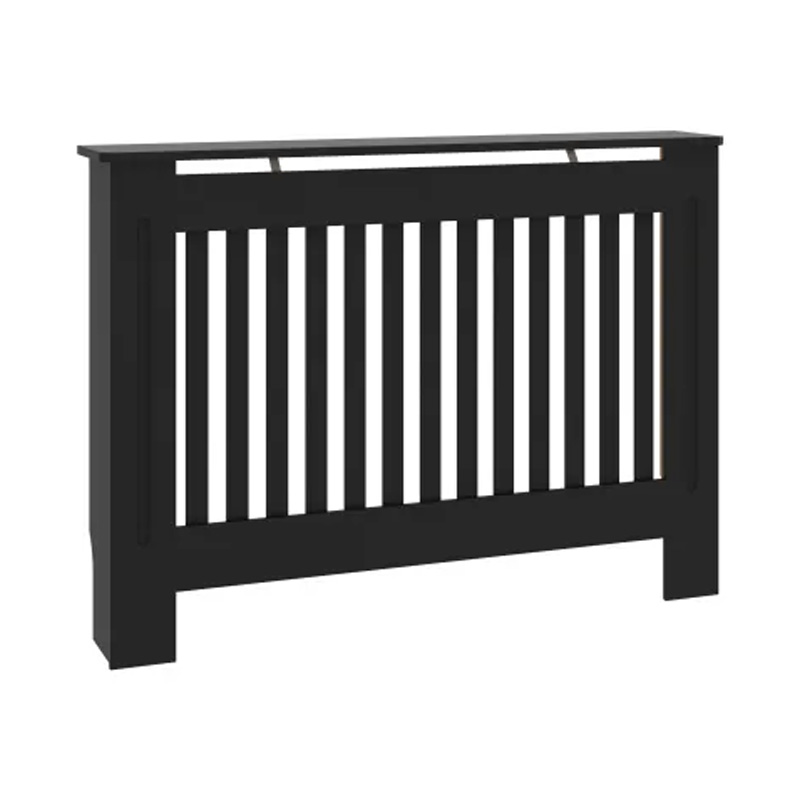
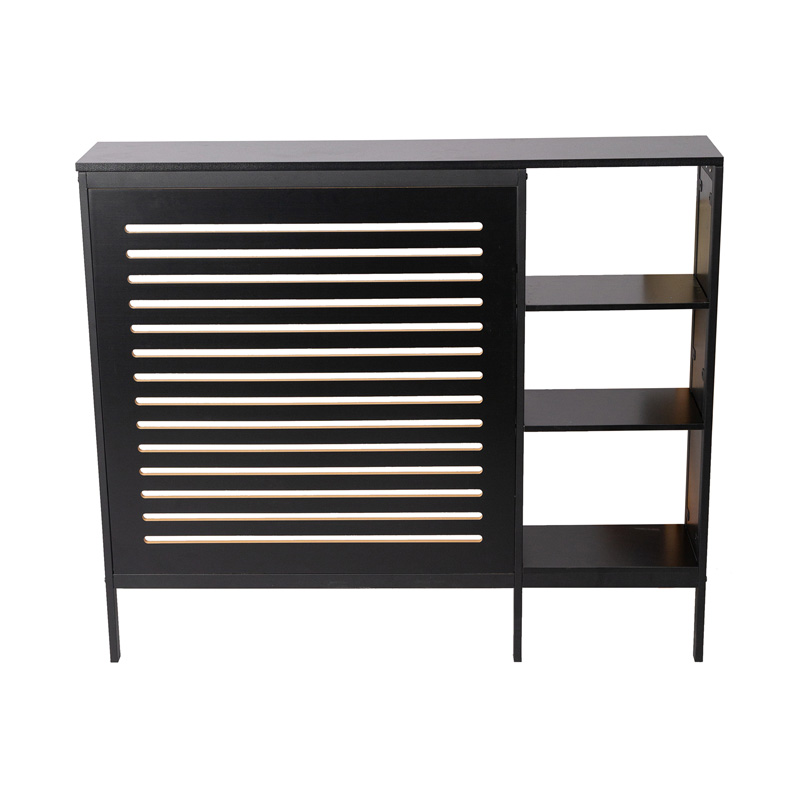
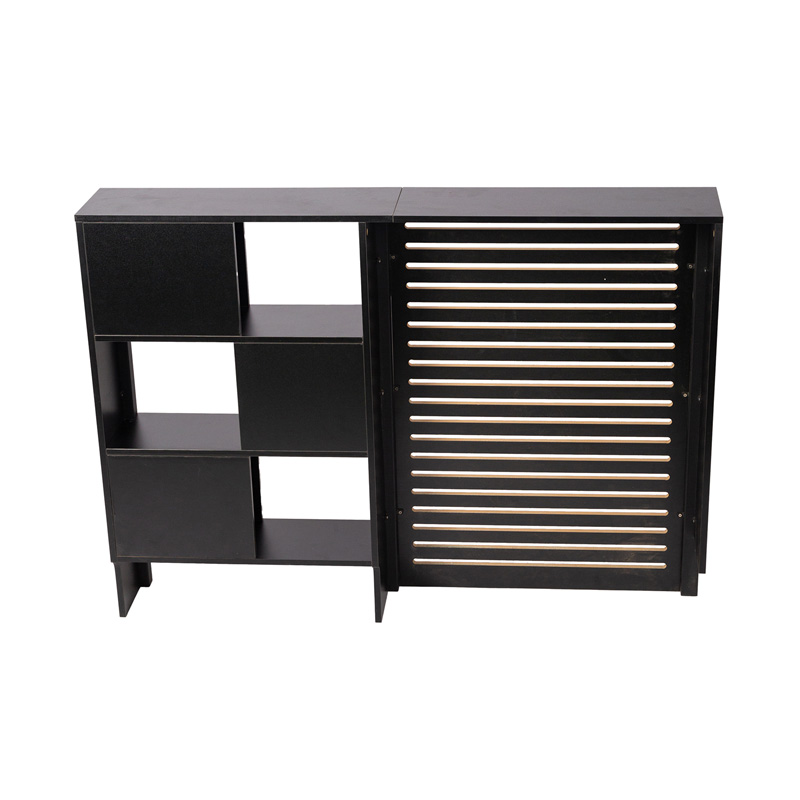
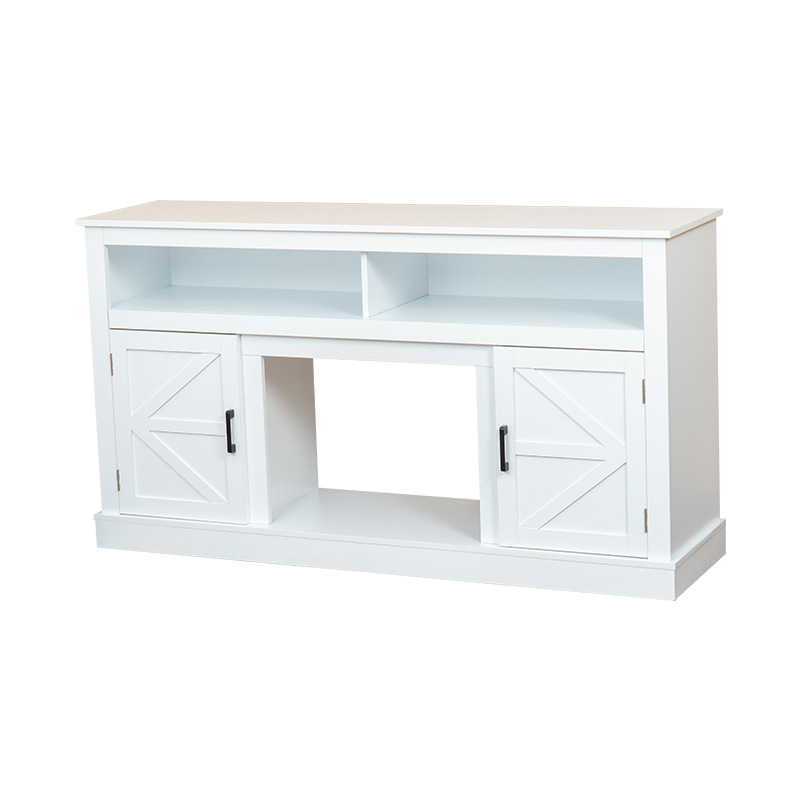
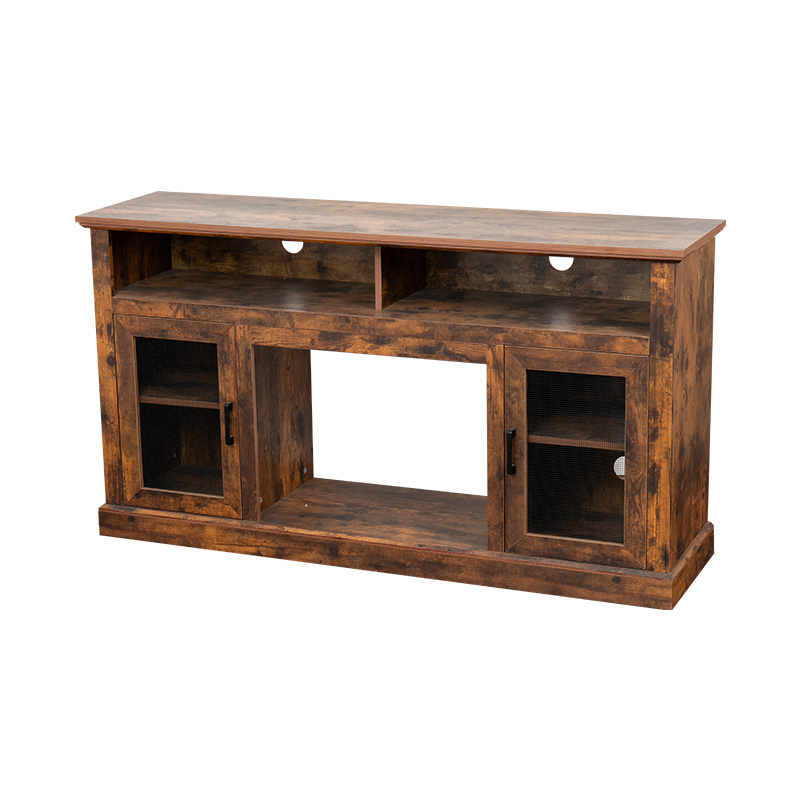
A bedside table sits next to the bed. It holds a phone, a book, a glass of water, reading glasses. When space is tight, it holds whatever did not fit elsewhere. A bedside table with insert board adds a pull-out or lift-up surface that extends the usable area on demand. The insert slides out to hold a laptop during late-night work, a breakfast tray on a slow morning, or a writing surface when the bed becomes the office. It tucks back in when the task is done. For small apartments, dorm rooms, and bedrooms where floor space is measured in centimeters, the insert board turns a static piece of furniture into something that adapts.
The Insert Board Mechanism
The insert board lives in one of two positions: stored under the main tabletop or folded alongside it. A slide-out version runs on metal runners or wooden rails. The user pulls the board out like a drawer, and it extends the table surface forward or to the side. A lift-up version hinges at the back or side. The user lifts the board and it locks into a flat position, doubling the tabletop area.
The mechanism determines whether the feature gets used daily or ignored after the first week. Sticky runners frustrate. A bedside table with insert board that slides on smooth ball-bearing runners opens with one hand. A hinged board with a soft-close stay prevents it from slamming down on fingers. The locking position has to be secure enough to hold a laptop and a cup of coffee without wobbling.
The insert board thickness matches or complements the main tabletop. A board that is too thin looks flimsy. One that is too heavy makes the slide mechanism strain. A bedside table with insert board balanced in weight and thickness feels like part of the furniture, not an afterthought.
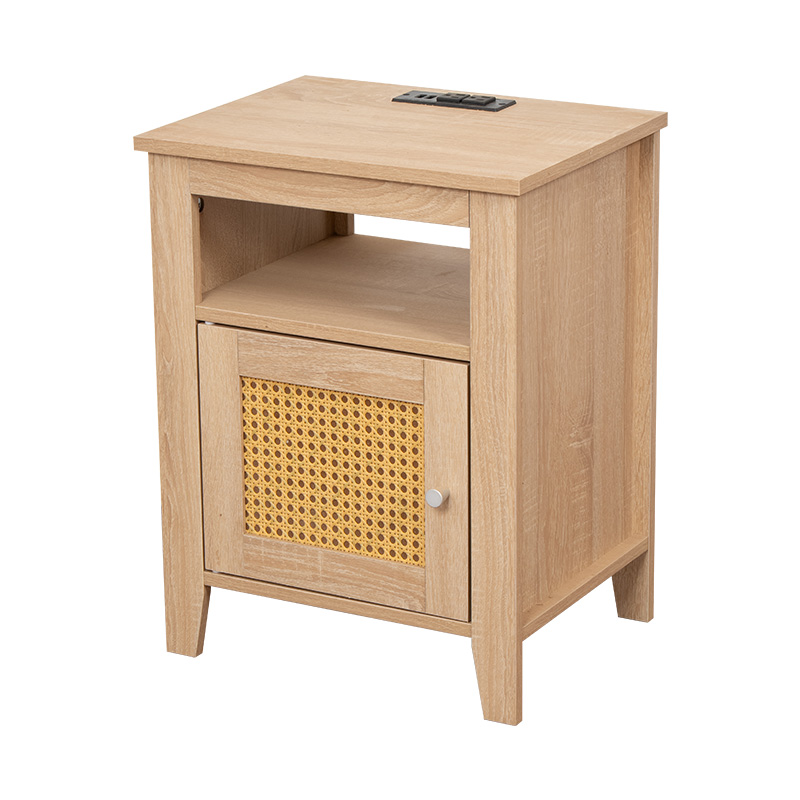
Materials and Build for a Piece That Gets Touched Daily
A bedside table lives within arm's reach. The surface gets groped in the dark for a ringing phone. Drinks sweat rings onto it. Charging cables scratch the edge. A bedside table with insert board needs a top that handles moisture and abrasion. Melamine-coated MDF resists rings and wipes clean. Solid wood or wood veneer with a lacquer finish looks warmer but needs coasters and more care. The frame, usually solid wood or steel, has to stay rigid when the insert board is extended with weight on it.
The legs are the stability question. A narrow bedside table with an extended insert board shifts its center of gravity forward. Weight on the board can tip the whole unit if the base is not wide or heavy enough. A bedside table with insert board designed with a wider footprint or a weighted base stays planted when the board is loaded and extended.
Edge finishing on the insert board matters because hands touch it every time the board is pulled out or pushed back. Rounded edges feel better than sharp ones. A lipped edge prevents items from sliding off when the board is in use. A bedside table with insert board that adds a subtle raised edge to the insert keeps pens, glasses, and phones from rolling onto the floor.
Here is what makes the insert feature work:
- Smooth ball-bearing runners or soft-close hinged stays
- Insert board thickness matched to the main tabletop
- Stable base that resists tipping when the board is extended and loaded
- Rounded or lipped edges on the insert for safety and function
- Surface finish that handles moisture and daily handling
Studio apartments and dorm rooms use the bed as a desk, dining table, and lounge space. A bedside table with insert board extends the work surface without needing a separate desk. The insert holds a laptop for online classes or a plate for dinner. When guests arrive, the board tucks away and the table goes back to holding a lamp.
Small bedrooms in shared housing lack surfaces. The bedside table becomes the only personal space for the occupant. A bedside table with insert board gives that person a place to write, eat, or set up a tablet for video calls without moving to a common area.
Elderly users or people recovering from surgery spend extended time in bed. A bedside table with an insert board that slides over the bed itself creates a stable surface for meals, medication, or a book without reaching sideways to a static table.
What Breaks on a Cheap Version
The runners bind after a few months. Dust and debris from daily use work into unsealed slides. A bedside table with insert board using sealed ball-bearing runners keeps sliding smoothly. The hinged board droops over time. A stay mechanism with metal locking components holds the board flat. Plastic stays strip and fail.
The board warps from moisture. A bedside table with insert board made from moisture-resistant MDF or plywood stays flat. Cheaper particleboard swells and the board no longer slides into its storage slot.
A bedside table with insert board is a small piece of furniture that solves a big space problem. It holds a lamp and a book and then extends to hold a laptop or a meal. Choose one with smooth slides, a stable base, and a surface that handles daily life. The extra surface is there when needed and invisible when not. That is the design.


 中文简体
中文简体