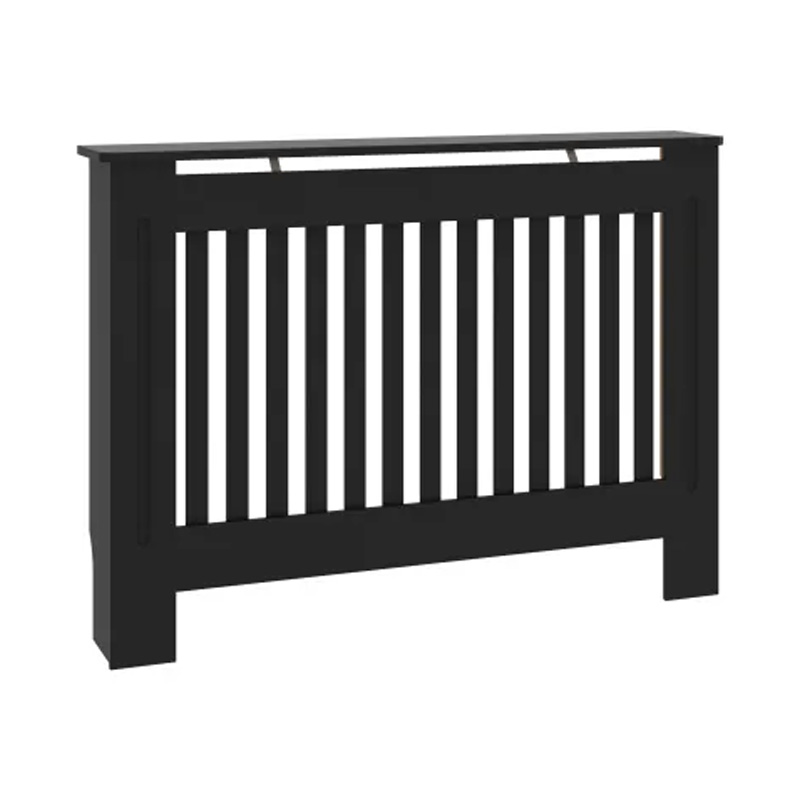
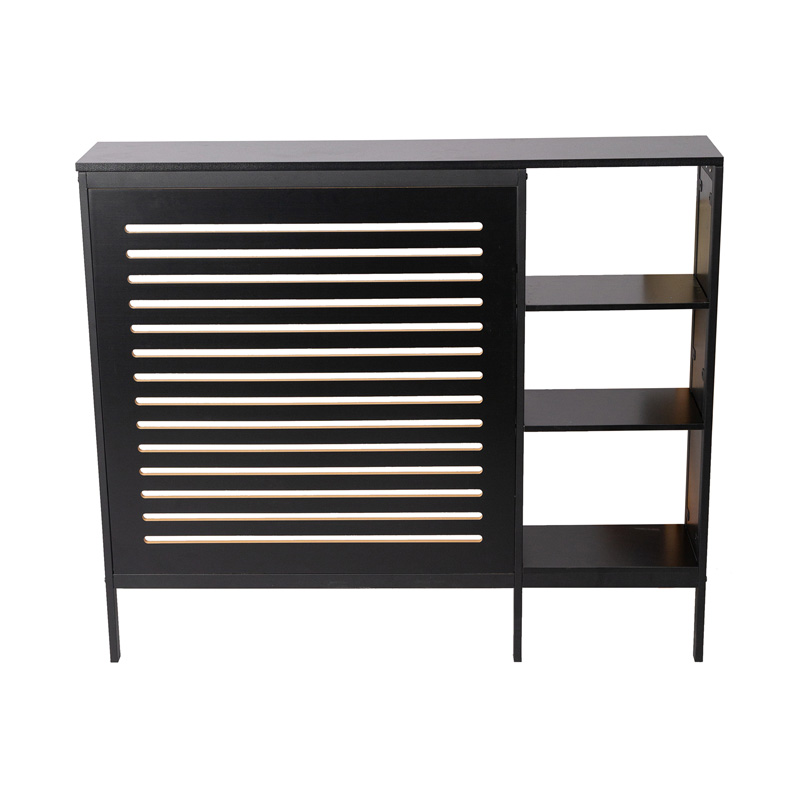
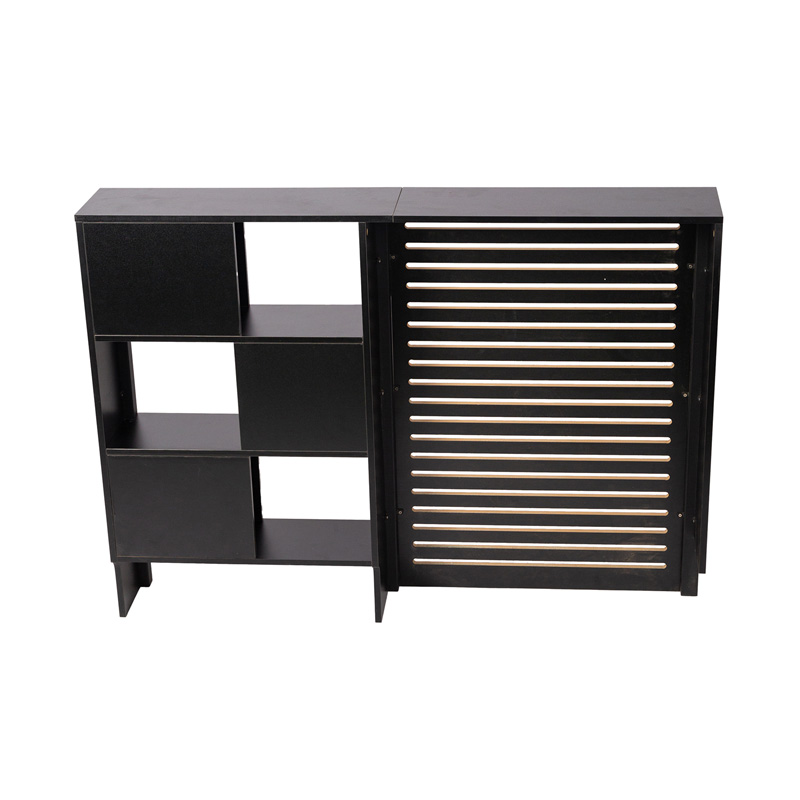
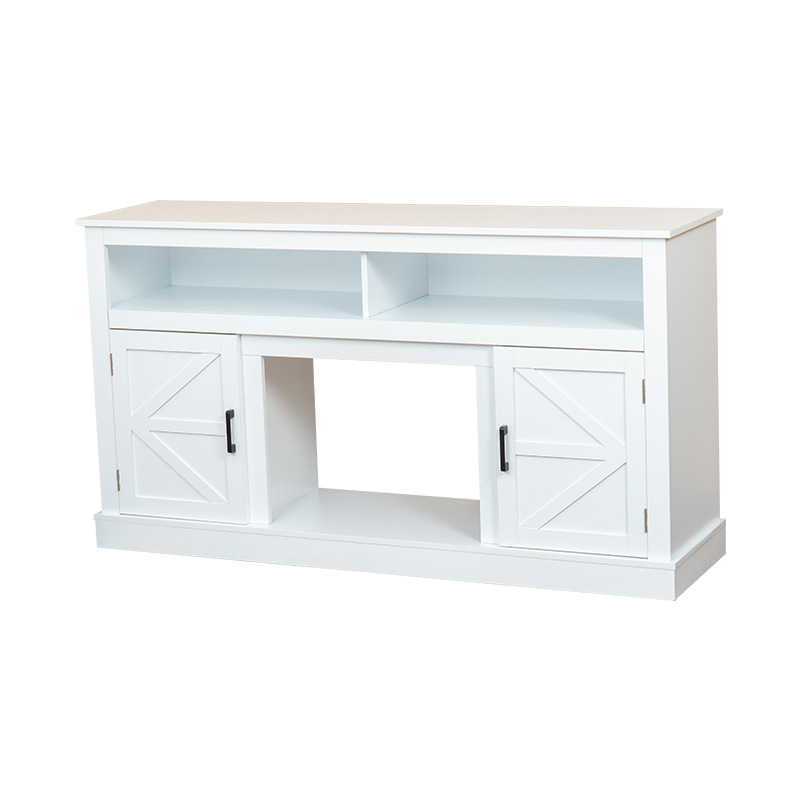
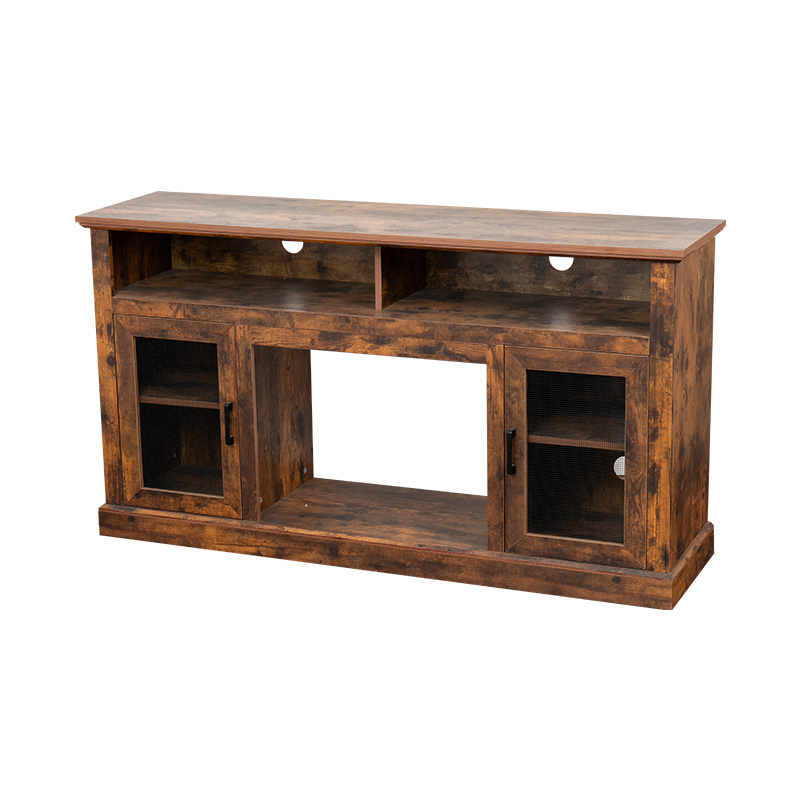
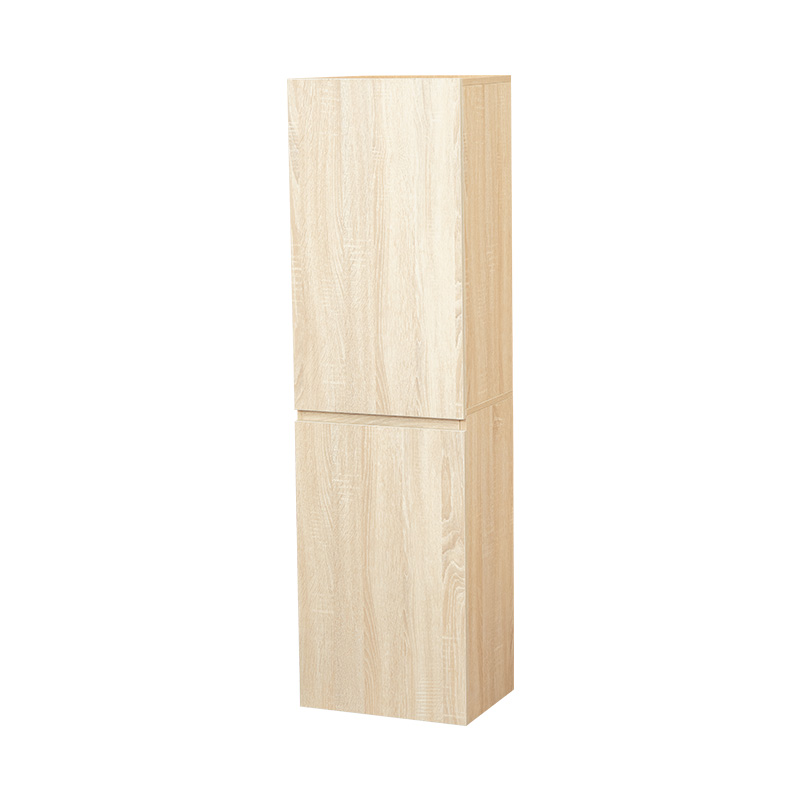
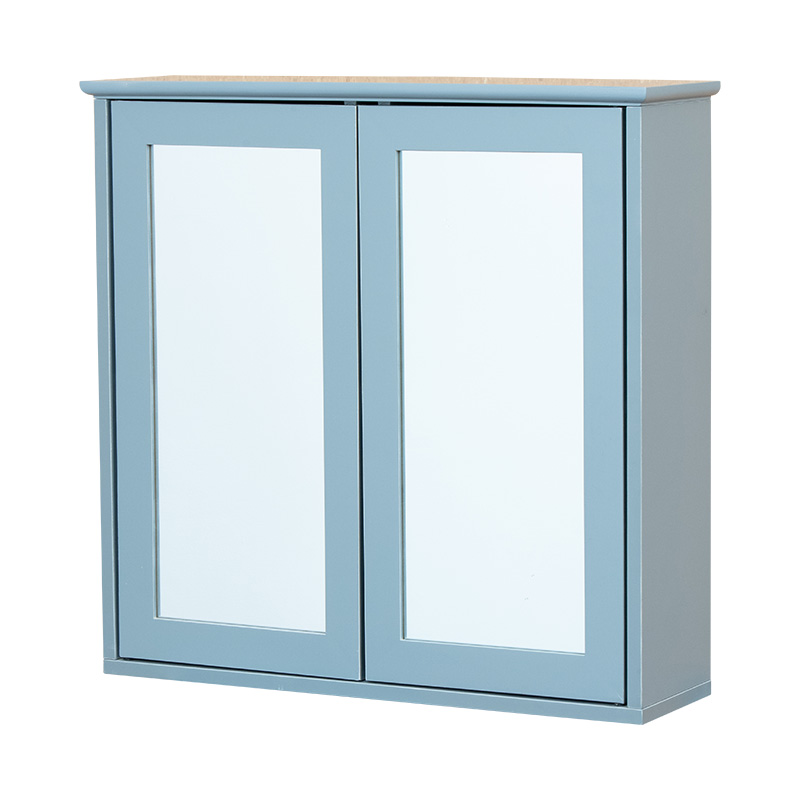
A dish cabinet holds plates, bowls, cups, and the serving platter that only comes out on holidays. It sits in the kitchen or dining room, getting opened daily. The doors swing. The shelves bear weight. Moisture from hand-dried dishes lingers inside. A steel and wood dish cabinet splits the job between two materials. The steel frame carries the load and resists the humidity that warps all-wood cabinets. The wood panels and doors bring the warmth that all-steel cabinets lack. For apartments, farmhouse kitchens, and anyone who wants a cabinet that looks solid and stays solid, the combination works.
Steel for the Frame, Wood for the Face
The frame is welded steel tube or pressed sheet metal, powder-coated against rust. It holds the shelves, hinges the doors, and sits on adjustable feet that level on uneven floors. Steel does not swell when the dishwasher vents steam into the room. It does not sag under the weight of a full set of dinnerware.
The doors and side panels are solid wood or wood veneer over MDF. They attach to the steel frame with screws or bolts. A steel and wood dish cabinet with oak or walnut doors feels warm in a way painted metal never does. The wood grain breaks up the industrial look and ties the cabinet to other wooden furniture in the room.
The mix of materials creates a maintenance profile. The steel frame wipes down with a damp cloth. The wood doors need occasional oiling or waxing if they are solid timber. Veneer panels just need dusting. A steel and wood dish cabinet does not demand the constant humidity control of an all-wood cabinet, but the wood surfaces still need basic care.
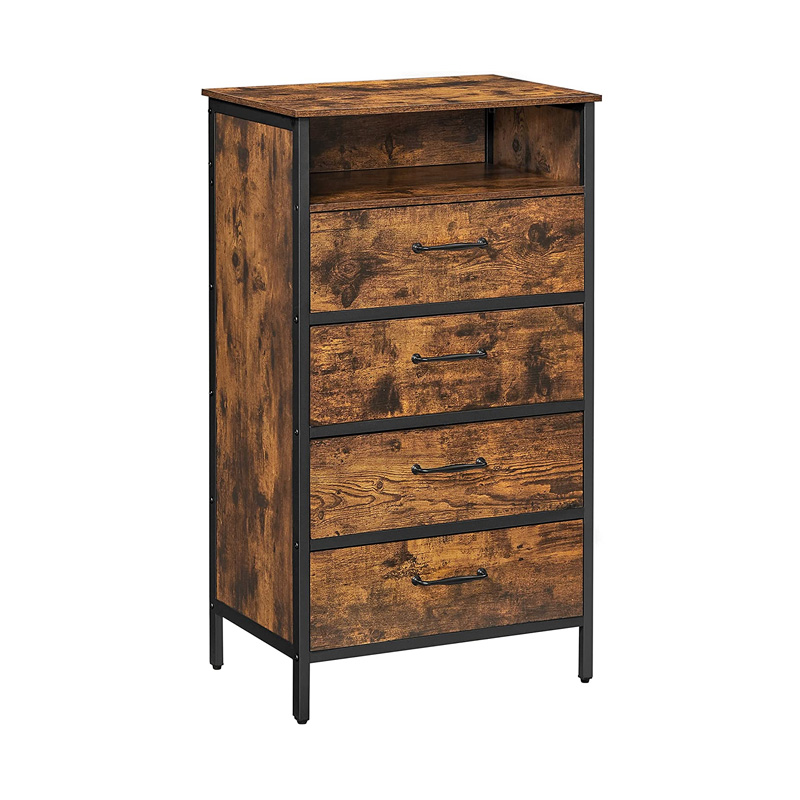
Shelves, Doors, and the Storage Inside
Dish cabinets store more than dishes. Glassware, mugs, serving bowls, table linens, and the backup box of dinner candles all find space inside. A steel and wood dish cabinet with adjustable shelves lets the user set shelf height to fit tall wine glasses or stack short coffee cups without wasting vertical space.
The doors determine access. Two hinged doors are standard. Sliding doors save space in tight kitchens where a swinging door would hit a counter or a hip. A steel and wood dish cabinet with a mix of solid wood doors and glass-panel doors offers display for the nice pieces and hidden storage for the daily clutter.
Ventilation prevents musty smells. A cabinet that seals too tightly traps the residual moisture from dishes put away slightly damp. A steel and wood dish cabinet with small ventilation gaps at the back or between the doors lets air circulate. Dishes stay fresh.
Here is what the combination of materials delivers:
- Welded steel frame with powder coating for rust resistance and load-bearing
- Wood or wood veneer doors and panels for warmth and kitchen integration
- Adjustable shelves for flexible dish and glassware storage
- Ventilation gaps to prevent trapped moisture
- Adjustable feet to level the cabinet on uneven floors
Where Steel Meets Wood in the Kitchen
Apartment kitchens with limited cabinet space use a freestanding steel and wood dish cabinet as a pantry and dish storage unit combined. The steel frame handles the weight of canned goods and stacked plates. The wood doors keep the unit looking like furniture, not industrial shelving.
Farmhouse and rustic kitchens mix wood cabinets with steel appliances. A steel and wood dish cabinet bridges the two. It matches the stainless refrigerator and the wooden countertops without committing entirely to one material.
Open-plan living spaces where the kitchen flows into the dining area need storage that looks intentional. A steel and wood dish cabinet with glass-panel doors displays serving pieces and glassware while keeping dust off them.
What Fails When One Material Overpowers the Other
An all-steel cabinet rings hollow when dishes clink against the shelves and the doors close with a metallic clang. A steel and wood dish cabinet with wood doors and wooden shelf inserts dampens sound. Dishes sit quietly on wood-lined shelves. Doors close with a soft thud instead of a clang.
All-wood cabinets warp in humid kitchens. The doors stick in summer and leave gaps in winter. The steel frame on a steel and wood dish cabinet holds its shape regardless of humidity. The wood panels are attached to a rigid structure that does not move.
The joint between the wood panel and the steel frame works loose if it relies on small screws driven into thin metal. A steel and wood dish cabinet with threaded inserts welded into the frame or bolts through the panel keeps the connection tight.
A steel and wood dish cabinet holds the dishes you use every day and the ones you only touch on holidays. The steel frame carries the weight and ignores the humidity. The wood doors look like furniture, not a locker. Choose one with a solid frame, adjustable shelves, and a finish that matches the room. The dishes stay clean and the cabinet stays square. That is the whole job.


 中文简体
中文简体