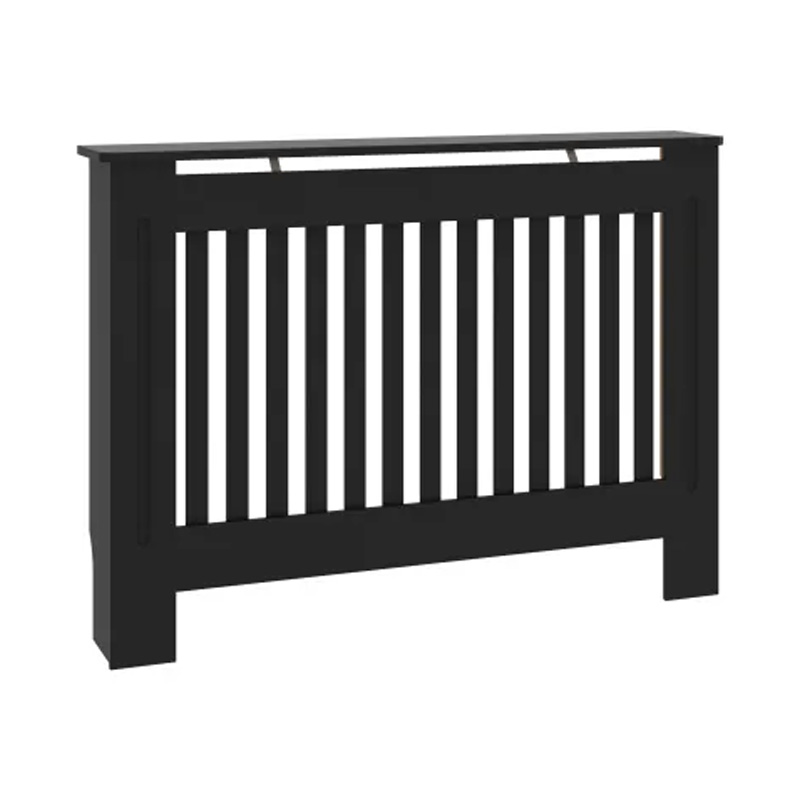
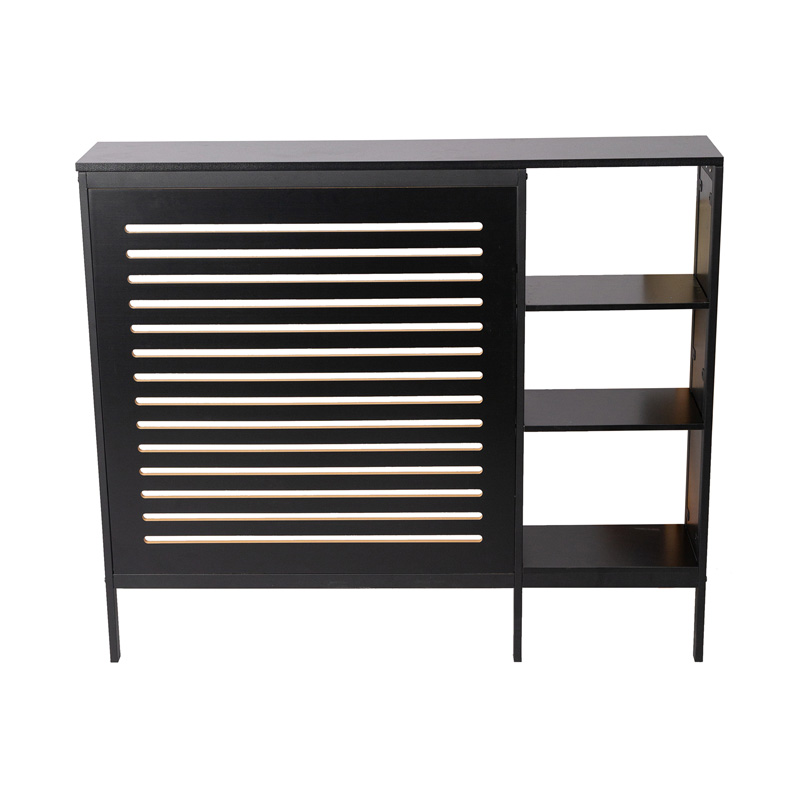
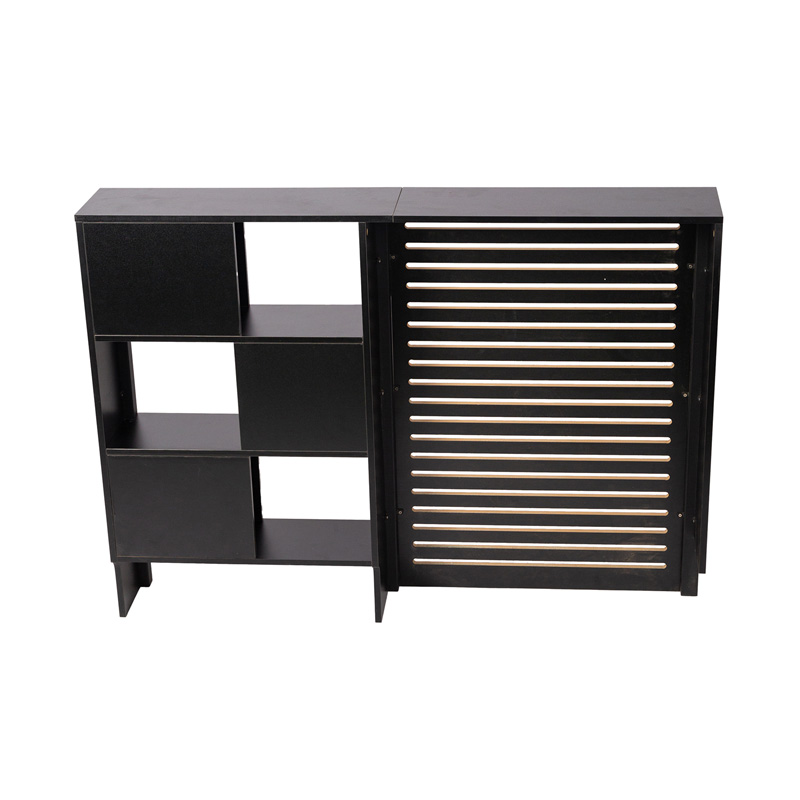
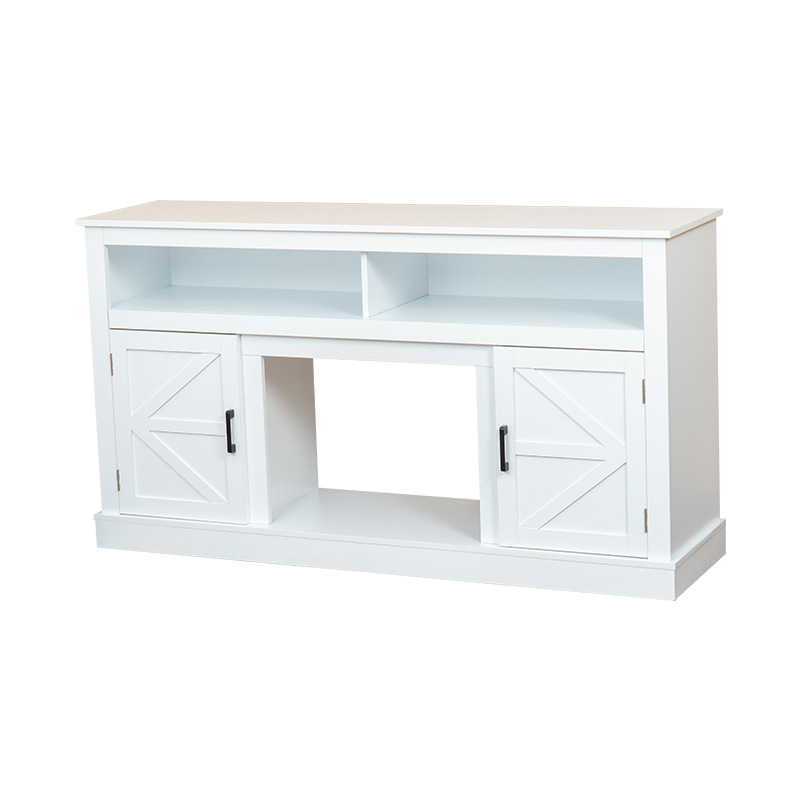
Organizing spaces efficiently is essential in both homes and workplaces. Storage solutions like racks play a significant role in keeping items accessible, orderly, and safe. Depending on the material and design, racks can serve different functions, from heavy-duty storage to decorative display.
What Are the Advantages of Metal Racks?
Metal racks are known for their strength and durability. Constructed from materials such as steel or aluminum, these racks are capable of holding heavy items without bending or warping. This makes them ideal for industrial settings, warehouses, garages, and workshops.
In addition to their sturdiness, metal racks are resistant to pests and moisture, which can affect wooden storage solutions. They can also withstand frequent use and can last for many years with minimal maintenance. Some designs include adjustable shelves, allowing users to modify the spacing to fit items of different heights.
A minor downside is that metal racks can appear industrial or cold in home settings, so careful placement or decorative accessories might be necessary to integrate them visually. Despite this, their long-term reliability and load-bearing capability make them a practical choice for environments where durability is key.
Why Are Wooden Racks Popular in Residential Spaces?
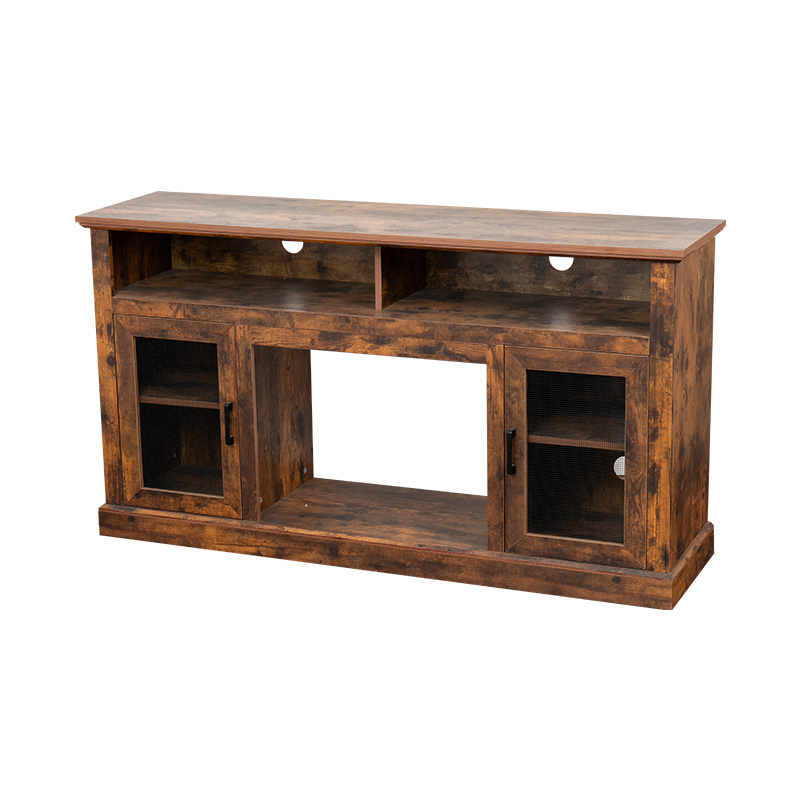
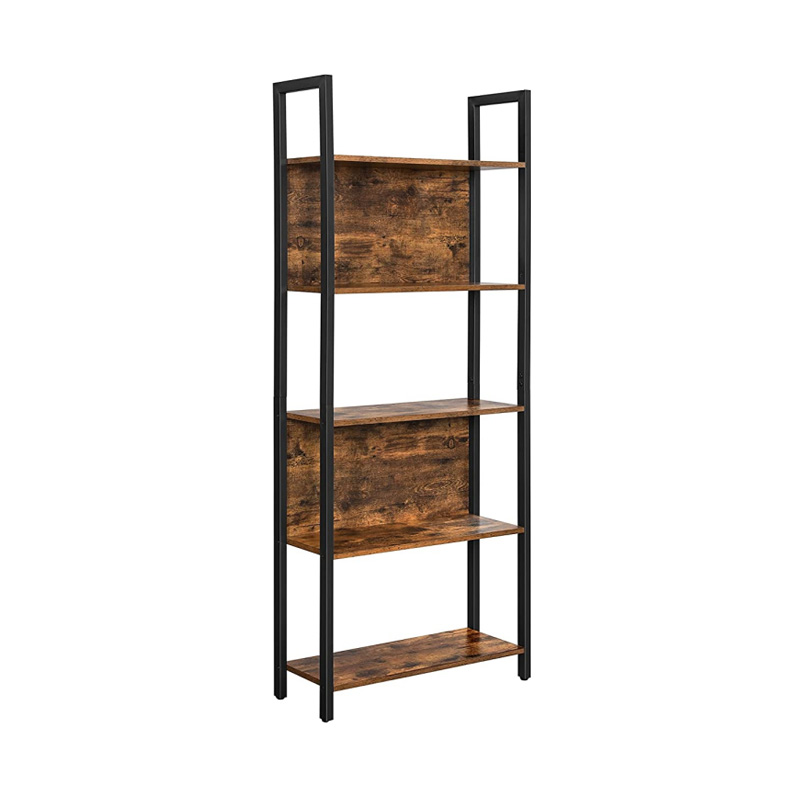
Wooden racks offer both functionality and visual appeal. Made from natural or engineered wood, these racks can complement a room's decor while providing storage for books, clothing, kitchen items, or decorative pieces.
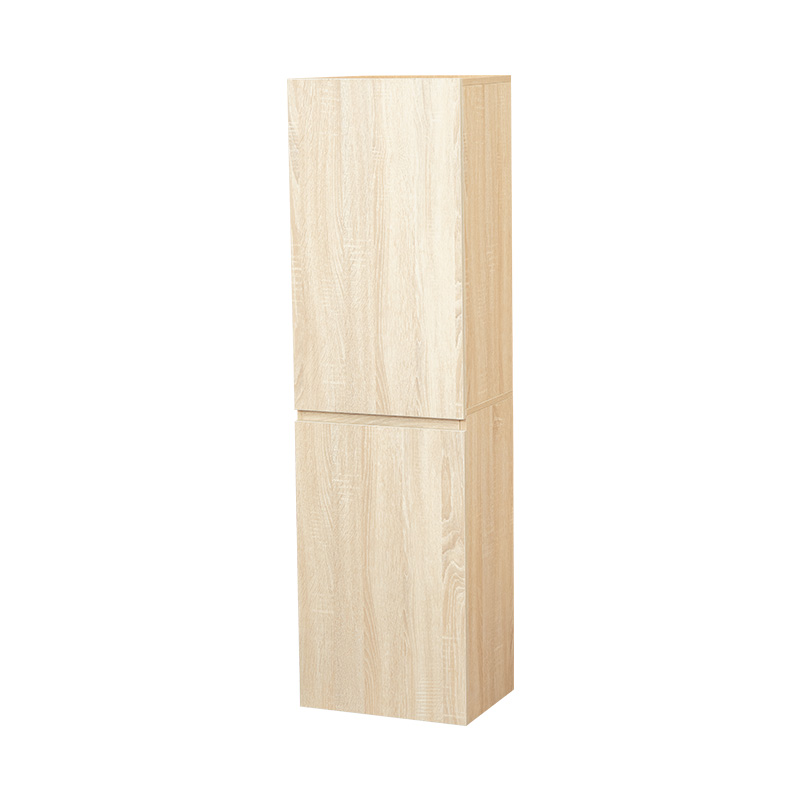
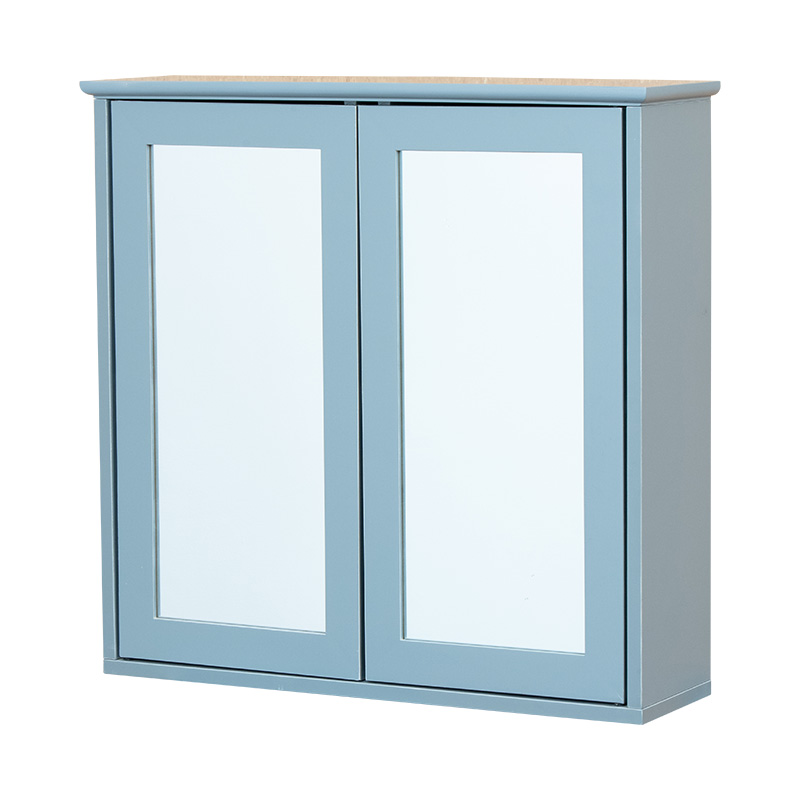
Wooden racks are available in a variety of finishes, from light pine to dark oak, allowing them to match different interior styles. They are often used in living rooms, bedrooms, and kitchens, where aesthetics matter alongside practical storage. Many wooden racks also feature drawers, cabinets, or adjustable shelving to accommodate different items.
Maintenance is a consideration, as wooden racks may require polishing or protection from moisture and pests. However, their ability to blend seamlessly into home interiors makes them a preferred choice for residential organization.
How Do Plastic Racks Offer Versatility?
Plastic racks provide lightweight and versatile storage solutions. They are easy to move, resistant to water damage, and often cost-effective compared to metal or wood. Plastic racks are commonly used in kitchens, bathrooms, laundry rooms, and even offices where moderate load-bearing capacity is sufficient.
One key advantage is their flexibility in design and color. Plastic racks can be stackable, foldable, or modular, making them adaptable for small spaces or temporary storage needs. They are also low maintenance, requiring only occasional cleaning with a damp cloth.
While plastic racks may not be suitable for extremely heavy items, their affordability, water resistance, and lightweight construction make them a practical solution for many everyday storage challenges.
How Do Metal Racks Support Heavy-Duty Storage?
Metal racks are particularly useful in environments that demand high strength. They can accommodate tools, machinery, or multiple boxes without compromising stability. Adjustable metal shelving also allows users to organize items according to size and frequency of use.
Industrial-grade metal racks are often coated with protective layers to prevent rust or corrosion. This feature is especially valuable in warehouses or garages where humidity or spills may be an issue. By using metal racks in such settings, businesses and homeowners can ensure items remain safe, organized, and easy to access over time.
When Should You Choose Wooden Racks Over Other Materials?
Wooden racks are ideal when both appearance and storage functionality are important. They are commonly used in spaces where items are stored and displayed simultaneously, such as books, decorative pieces, or kitchenware.
For example, a living room with a wooden rack can store books and display plants or photographs, creating a visually appealing setup. Wooden racks can also be customized with different shelf heights, drawers, or doors to accommodate changing storage needs.
Their warmth and aesthetic versatility make wooden racks a popular choice for homeowners who want furniture that integrates naturally with the overall design of a room.
How Do Racks Improve Overall Space Efficiency?
Racks, regardless of the material, help in making the most of available space. Metal racks support vertical storage in garages or warehouses, allowing heavy or bulky items to be stacked safely. Wooden racks can combine display with storage in living areas or bedrooms, using shelves or compartments efficiently. Plastic racks offer lightweight and flexible organization, particularly in small rooms or temporary storage setups.
By choosing the right type of rack for each setting, users can maintain order, reduce clutter, and increase accessibility. Properly arranged racks can make even small areas feel organized and functional without overcrowding.
What Are Practical Tips for Selecting the Right Rack?
When choosing between metal, wooden, and plastic racks, consider the following factors:
- Load Capacity: Metal racks are suitable for heavy items, wooden racks for moderate loads, and plastic racks for lighter items.
- Space Requirements: Evaluate available space; stackable or modular racks help optimize vertical storage.
- Aesthetic Preference: Wooden racks blend with home interiors, metal racks suit industrial or garage settings, and plastic racks offer versatile color options.
- Maintenance Needs: Metal racks need occasional dusting and rust prevention, wooden racks require polishing, and plastic racks are easily wiped clean.
- Usage Frequency: Items accessed daily might benefit from open racks, while less-used items can be stored in enclosed or solid racks.
How Do Racks Adapt to Different Environments?
Racks are designed to meet specific environmental requirements. Metal racks perform well in industrial or high-traffic areas due to strength and durability. Wooden racks are favored in residential spaces for their visual appeal and moderate storage capacity. Plastic racks offer water resistance, portability, and cost-effective solutions for kitchens, bathrooms, or temporary storage setups.
Some environments may benefit from combining rack types. For instance, a home garage could feature metal racks for tools, a wooden rack for decorative items, and plastic racks for lightweight, portable storage. This combination ensures that storage is practical, safe, and visually balanced across different areas.
How Can Racks Balance Functionality and Style?
While racks are primarily functional, they can also contribute to a room's aesthetic. Wooden racks provide warmth and style, metal racks can create an industrial or modern look, and colorful plastic racks add playful or practical accents.
Choosing a rack that complements its environment enhances the overall feel of a space. For example, a wooden rack in a living room can double as a display for books and decorative items, while a metal rack in a garage maintains a clean, organized appearance. Plastic racks can bring color coordination and flexibility in smaller spaces, blending function with style.
| Rack Type |
Strengths |
Common Locations |
Maintenance Tips |
| Metal Rack |
Heavy load, durable, long-lasting |
Garage, warehouse, workshop |
Dust regularly, prevent rust |
| Wooden Rack |
Aesthetic, versatile, moderate load |
Living room, bedroom, kitchen |
Polish occasionally, protect from moisture |
| Plastic Rack |
Lightweight, water-resistant, flexible |
Kitchen, bathroom, laundry, office |
Wipe clean, avoid sharp objects |
Selecting the appropriate rack type depends on material, storage needs, and environmental conditions. Metal racks offer durability and strength, suitable for heavy or industrial storage. Wooden racks combine functionality with aesthetics, making them suitable for residential spaces. Plastic racks provide flexibility, portability, and water resistance, ideal for smaller or temporary storage solutions.
By understanding the strengths and applications of each type, users can organize their spaces efficiently and maintain a balance between practicality and style. Whether in homes, offices, or industrial settings, the right rack ensures accessible, safe, and orderly storage.


 中文简体
中文简体