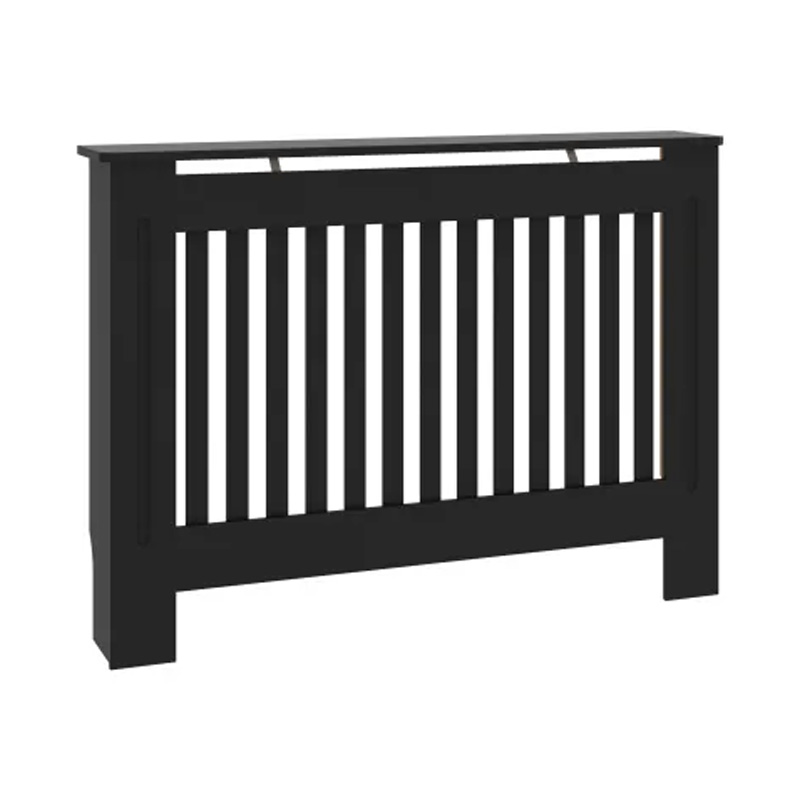
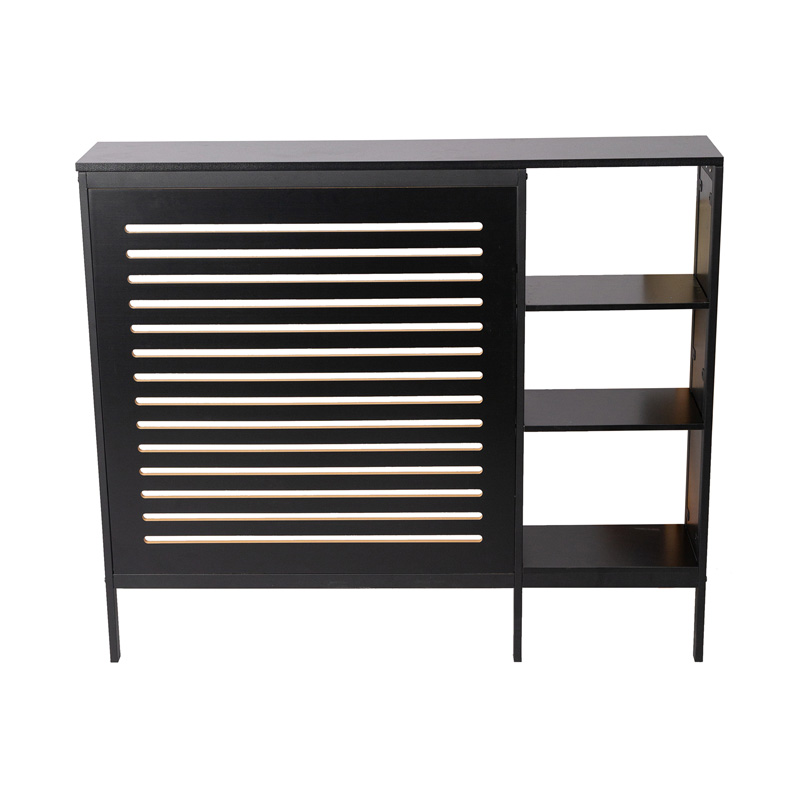
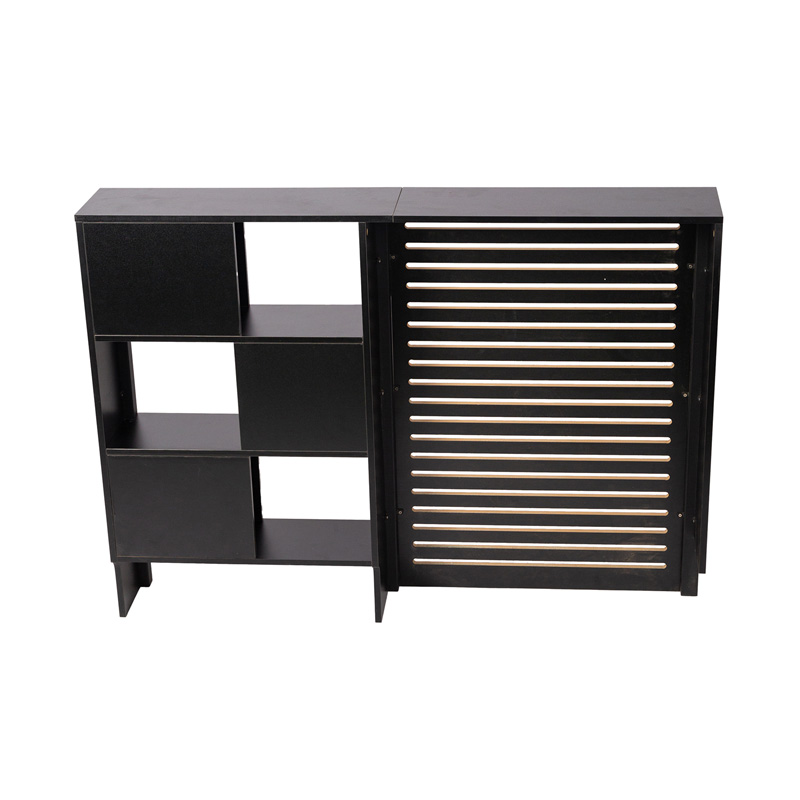
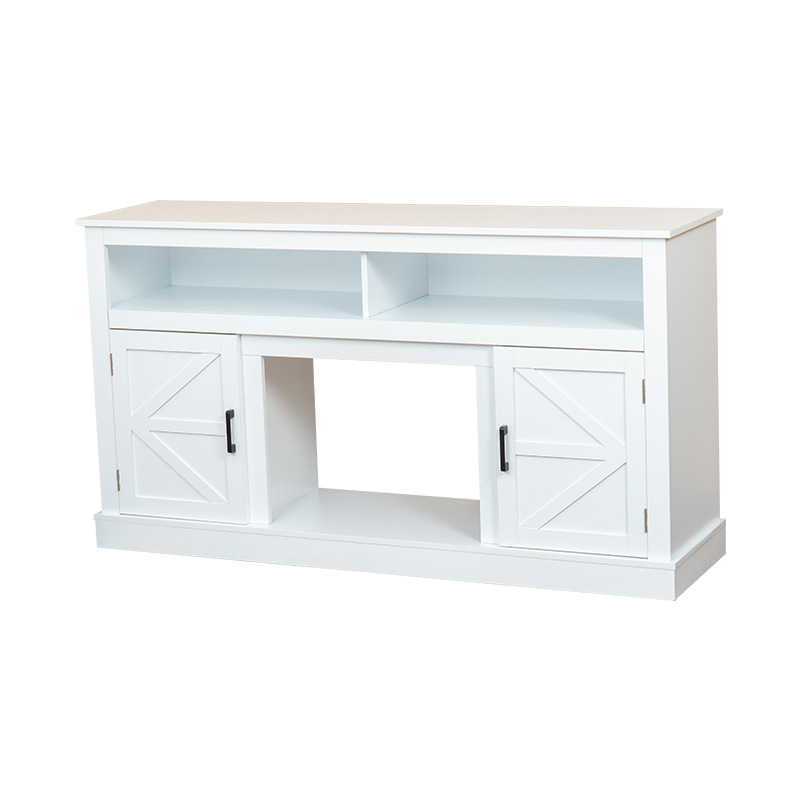
Storage solutions are an essential part of any home or office. The way we organize our belongings can impact efficiency, aesthetics, and overall comfort in a space. Among various storage options, cabinets play a central role, offering different styles and functionalities.
What Defines an Open Cabinet?
An open cabinet is a storage unit without doors or panels that restrict visibility. Its primary advantage is accessibility. Items stored in an open cabinet are visible at a glance, which makes locating everyday essentials quicker and easier. These cabinets are commonly used for displaying decorative items, books, or kitchenware.
Open cabinets can vary in design, from simple shelving units to more complex structures with multiple compartments. They are especially useful in areas where frequent access is required, such as kitchens, workshops, or living rooms. By exposing contents, they also encourage tidiness, as items are on display and less likely to be left disorganized.
A potential drawback is that open cabinets require regular maintenance. Dusting and careful arrangement are essential, especially when used to store items that are visually prominent. However, their visual openness can also make a room feel more spacious compared to closed storage units.
How Do Closed Cabinets Provide Security and Privacy?
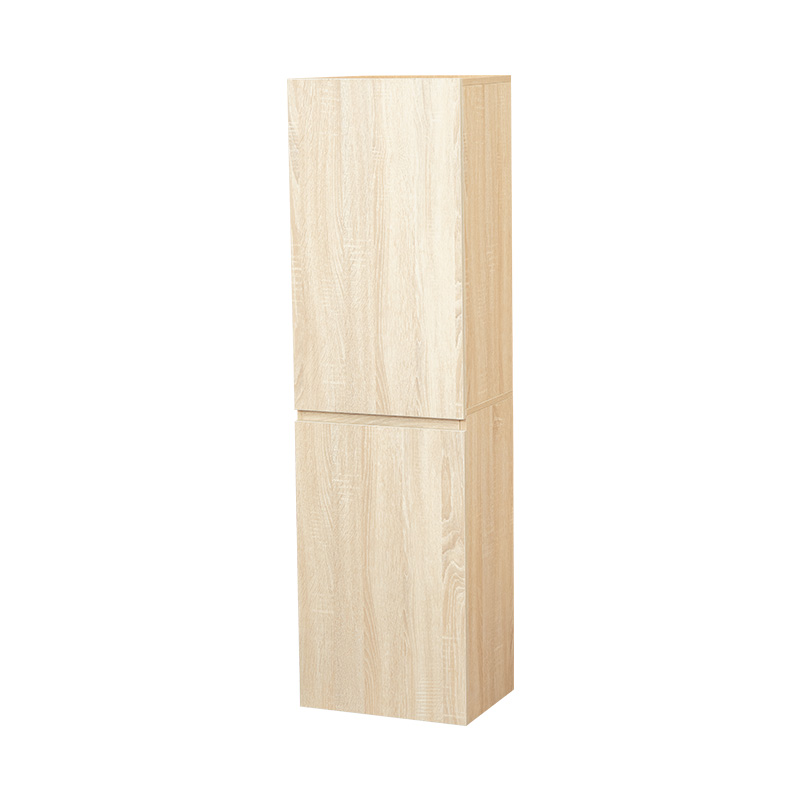
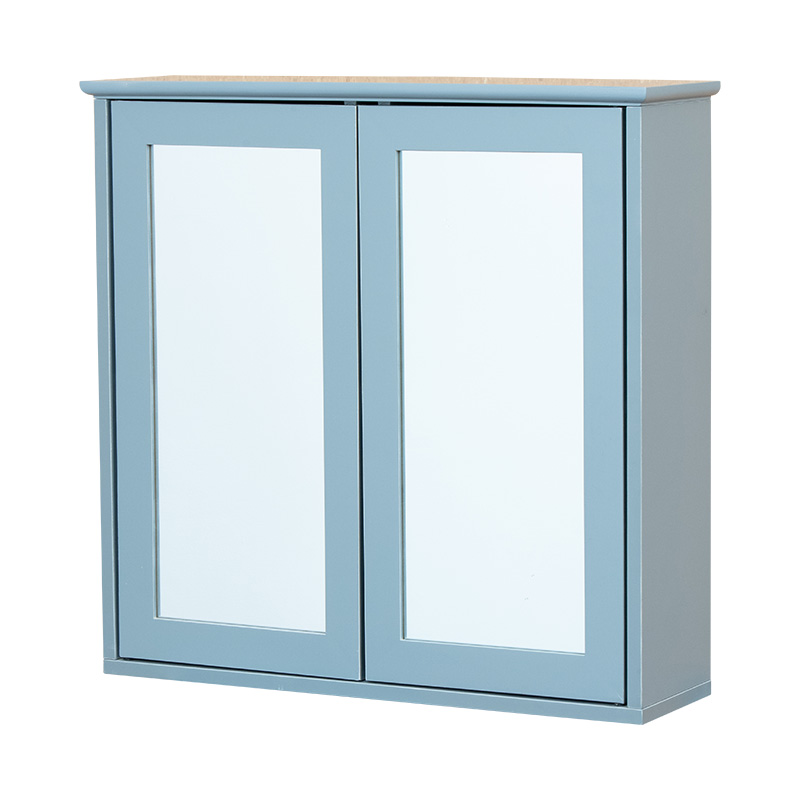
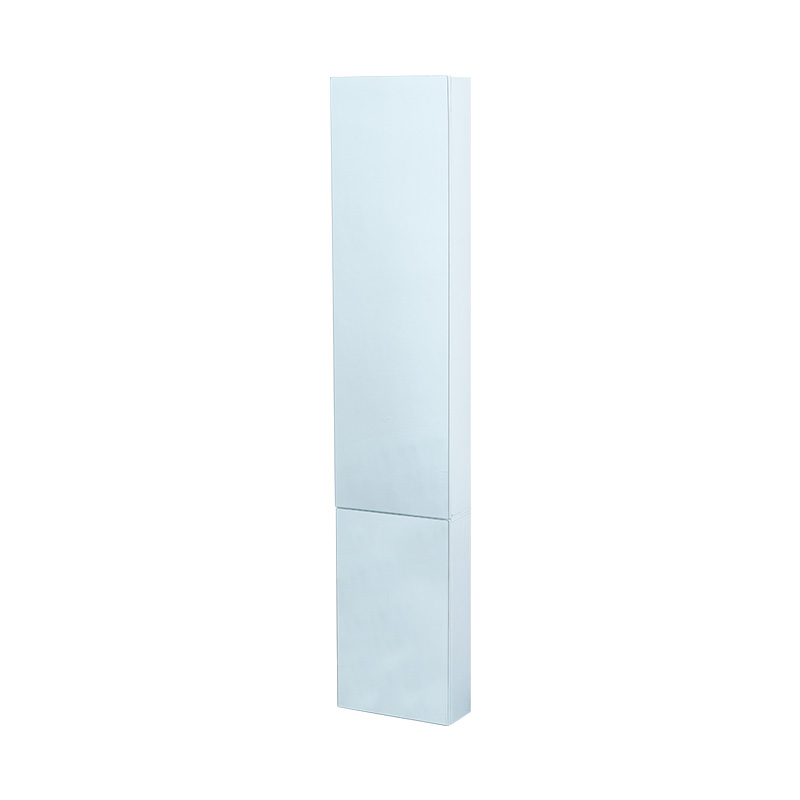
Closed cabinets, in contrast, are fully enclosed with doors or panels that conceal the contents. These cabinets are ideal when storage needs include privacy, protection from dust, or secure containment of delicate items. They are widely used in offices, kitchens, bathrooms, and bedrooms, where both organization and discretion are important.
Closed cabinets come in various forms, including hinged door designs, sliding doors, and lockable compartments. This variety allows them to fit in nearly any interior style or spatial requirement. For instance, in a kitchen, closed cabinets can store food and cookware safely, while in an office, they protect important documents from view.
One advantage of closed cabinets is reduced visual clutter. By hiding items behind doors, they contribute to a cleaner and more streamlined appearance. Their enclosed nature also offers protection against environmental factors, such as moisture in a kitchen or dust in a workshop.
Why Are Multi-Functional Cabinets Popular?
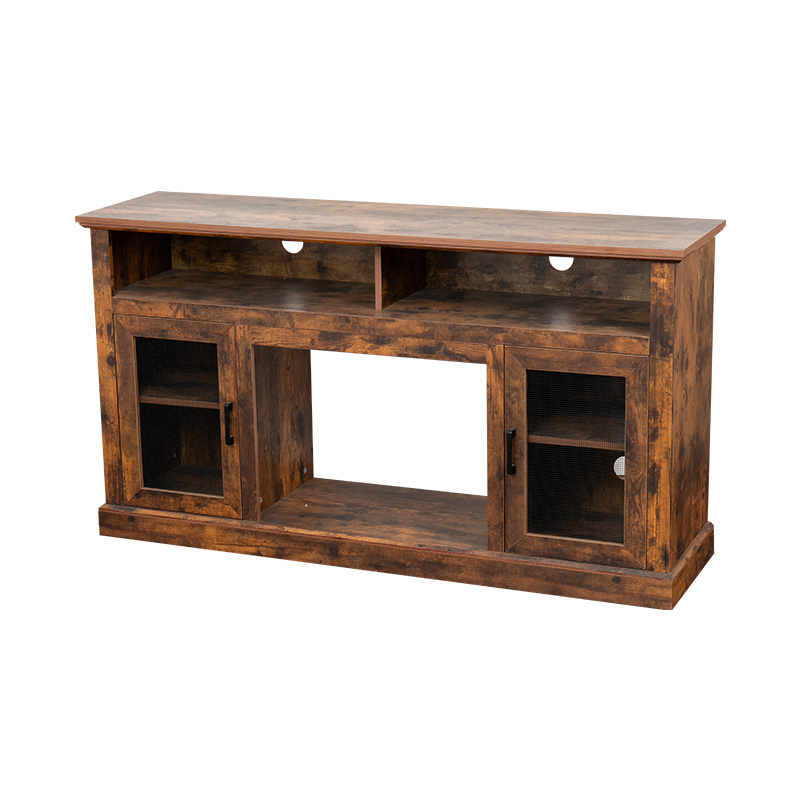
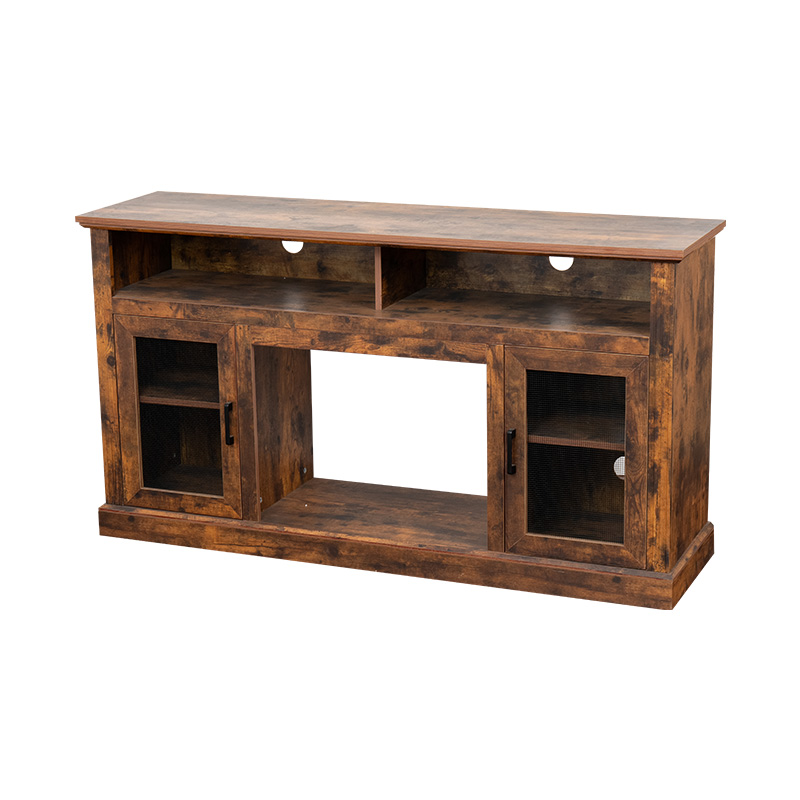
Multi-functional cabinets combine features of both open and closed designs. They often include a mix of open shelving for display and closed compartments for hidden storage. This hybrid approach makes them versatile and suitable for a variety of environments.
For instance, a multi-functional cabinet in a living room might have open sections for books and decorative pieces, while concealing electronics, games, or personal items in closed drawers. In an office, such cabinets can house frequently used materials in open areas while keeping confidential documents behind doors.
The adaptability of multi-functional cabinets allows users to adjust their storage based on changing needs. Many designs also integrate additional functionalities, such as fold-out work surfaces, built-in lighting, or adjustable shelving, which enhance their practical use.
How Can Open Cabinets Contribute to Interior Design?
Open cabinets are often considered an extension of a room’s aesthetic. By showcasing items rather than hiding them, they allow homeowners or office managers to incorporate style into functional storage. Decorative arrangements of books, plants, or kitchenware can enhance visual appeal while maintaining accessibility.
Designers often use open cabinets to create a sense of openness. Unlike closed storage that can appear bulky or block light, open units add depth and can make spaces feel airier. They also encourage organization, as messy or disorganized items remain in view, motivating regular upkeep.
Some open cabinets are designed with artistic frames, colored back panels, or mixed materials like wood and metal to elevate both function and appearance. By integrating such details, open cabinets can serve as a centerpiece in a room while also providing practical storage.
What Advantages Do Closed Cabinets Offer in Everyday Life?
Closed cabinets provide several practical benefits. By concealing contents, they reduce visual distractions, making rooms appear tidier. In kitchens, they help maintain hygiene by protecting stored food and utensils from dust or pests. In offices, they offer security for sensitive documents, keeping them out of sight from visitors.
Closed cabinets are also versatile in terms of design. From minimalist modern panels to traditional wooden finishes, they can fit into almost any style of interior. Their doors can feature handles, knobs, or push-to-open mechanisms, catering to both aesthetic and functional preferences.
In households with children or pets, closed cabinets add an extra layer of protection, preventing accidental access to fragile or potentially dangerous items. This makes them a practical choice in addition to their organizational benefits.
How Do Multi-Functional Cabinets Combine the Best of Both Worlds?
Multi-functional cabinets offer a unique blend of openness and enclosure. They provide accessible areas for frequently used items while offering discreet storage for those that should be kept out of sight. This dual functionality makes them ideal for spaces with multiple needs.
Additionally, these cabinets often include adjustable components. Shelves can be repositioned to fit taller objects, drawers can be swapped for additional storage, and some units even allow modular expansion. Such flexibility extends their usefulness over time, allowing adaptation as storage requirements change.
In environments where both display and discretion are important—such as home offices, entertainment centers, or combined living-dining areas—multi-functional cabinets streamline organization while maintaining visual appeal.
How Do Material Choices Affect Cabinet Functionality?
While cabinet design is important, material plays a key role in performance and maintenance. Open cabinets can be made from wood, metal, or composite materials, with design choices impacting durability and visual appeal. Closed cabinets often rely on sturdy frames and quality doors to maintain structure and protect contents. Multi-functional cabinets may combine materials to balance strength and style.
For instance, a wooden multi-functional cabinet might offer warmth and charm, while a metal-framed version ensures long-term stability. Material selection should align with intended use, environment, and maintenance expectations.
How Do Cabinets Affect Overall Space Efficiency?
Cabinets, whether open, closed, or multi-functional, influence how efficiently a room is used. Open cabinets make items easy to access, potentially reducing time spent searching. Closed cabinets help maintain order by concealing clutter, which can make spaces feel larger and more organized. Multi-functional units combine both benefits, offering adaptability for evolving needs.
By integrating the right cabinet type in the right location, users can improve both storage capacity and visual harmony. Strategic placement—such as aligning tall units against walls or combining units with countertops—can further enhance efficiency and functionality.
| Cabinet Type |
Benefits |
Common Locations |
Maintenance Tips |
| Open Cabinet |
Easy access, decorative display |
Kitchen, living room, workshop |
Regular dusting, organized arrangement |
| Closed Cabinet |
Privacy, protection, reduced clutter |
Bedroom, office, bathroom |
Keep doors clean, check hinges |
| Multi-Functional Cabinet |
Flexible, adaptable, dual purpose |
Living room, study, home office |
Adjust shelves, maintain both open and closed sections |
Selecting the appropriate cabinet type requires balancing accessibility, protection, and versatility. Open cabinets provide visual openness and ease of use, closed cabinets safeguard contents and reduce clutter, and multi-functional cabinets combine the benefits of both designs.
Material choice, space constraints, and daily usage patterns all play a role in determining which type fits best. Open cabinets enhance visibility and encourage organization, closed units offer discretion and protection, and multi-functional designs allow flexibility for evolving storage needs.
By carefully evaluating storage needs, room aesthetics, and functional priorities, anyone can choose cabinets that enhance space efficiency, maintain order, and contribute to an inviting and organized environment.


 中文简体
中文简体