In both residential and commercial environments, cabinets play a crucial role in organizing spaces and keeping essentials accessible. Over time, various types of cabinets have evolved to meet different needs, from durable metal storage to aesthetically appealing wooden designs. In this article, we explore the characteristics, uses, and benefits of wooden cabinets, metal cabinets, and modular cabinet units, offering insights for anyone considering furniture investments for home or workplace organization.
What Are the Key Differences Between Wooden and Metal Cabinets?
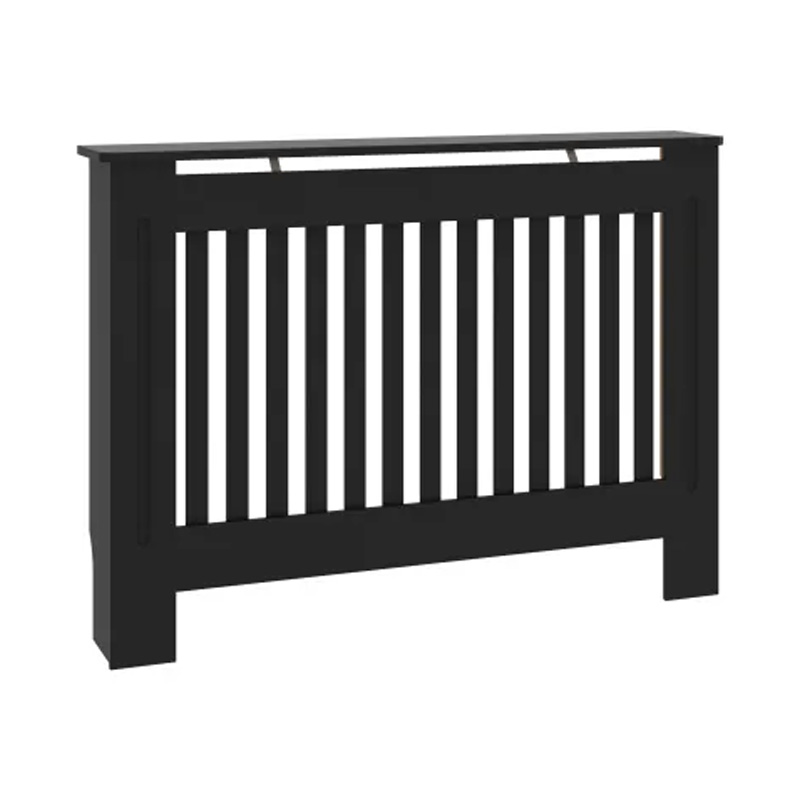
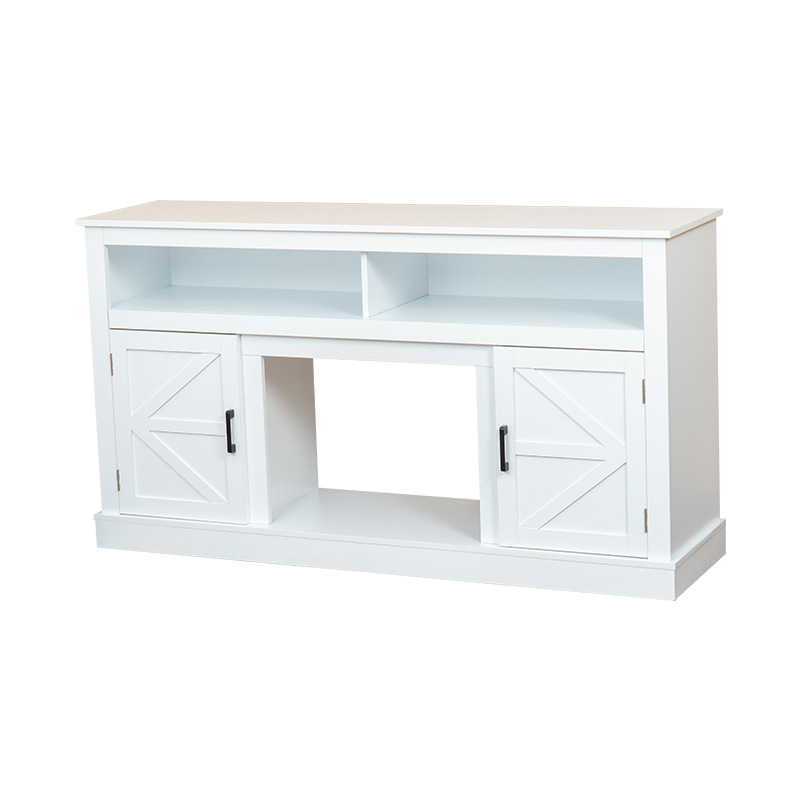
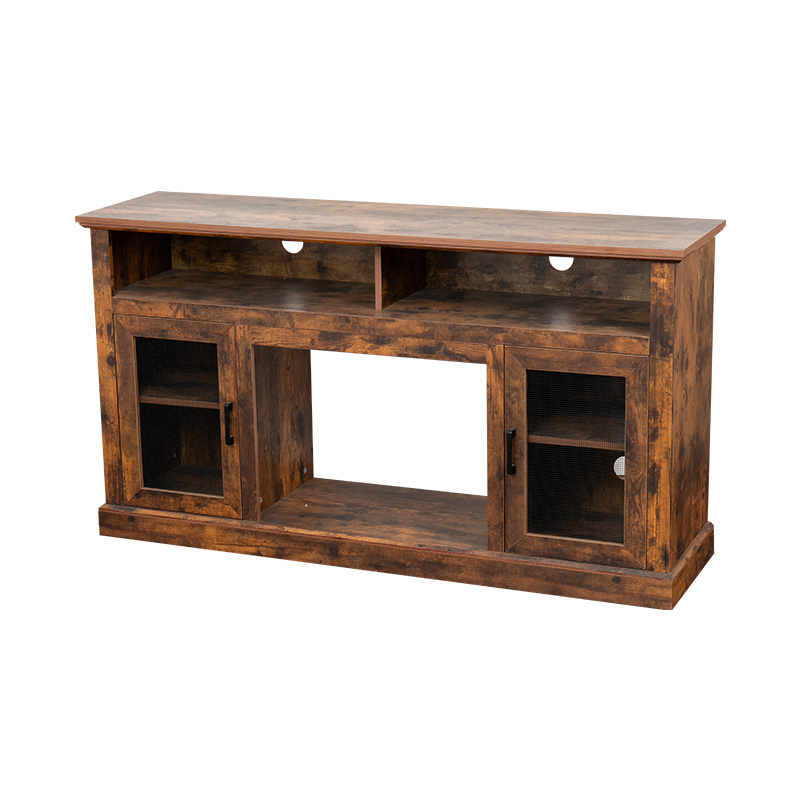
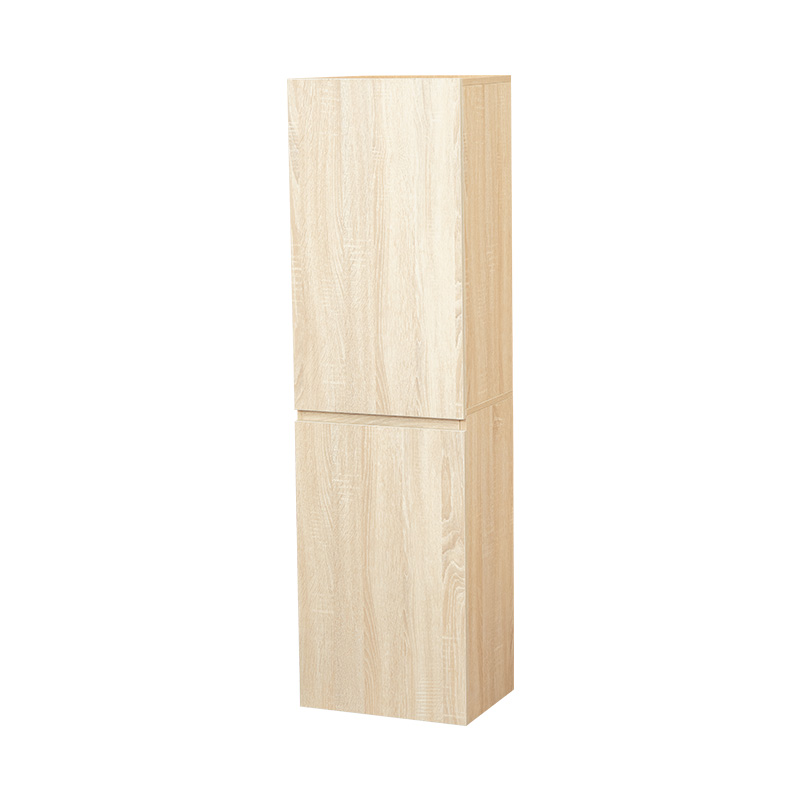
Cabinets generally fall into two broad categories based on material: wood and metal. Wooden cabinets often appeal for their visual warmth and versatility. Crafted from materials like oak, maple, or engineered wood, these cabinets can be stained, painted, or veneered to match any interior. They are commonly found in kitchens, living rooms, and offices where aesthetics matter.
Metal cabinets, on the other hand, emphasize durability and security. Often made from steel or aluminum, these cabinets can withstand heavy use, resist dents, and sometimes offer fire or water resistance. Metal cabinets are frequently utilized in industrial, laboratory, and office settings where sturdiness is a priority over decorative appeal.
Both types have unique strengths, and the choice between them usually depends on whether visual style or functional resilience is more important.
| Cabinet Type |
Strengths |
Common Uses |
Maintenance Requirements |
| Wooden Cabinet |
Warmth, custom finishes |
Kitchens, living rooms, offices |
Polishing, occasional refinishing |
| Metal Cabinet |
Durability, security, longevity |
Industrial sites, labs, storage rooms |
Dusting, anti-corrosion treatment |
How Do Cabinet Units Improve Space Organization?
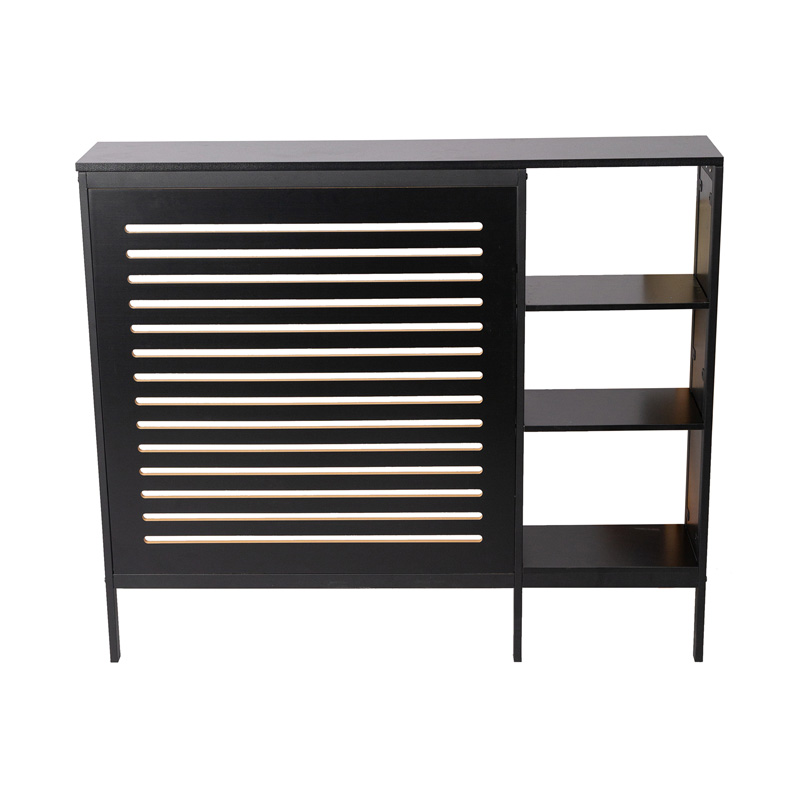
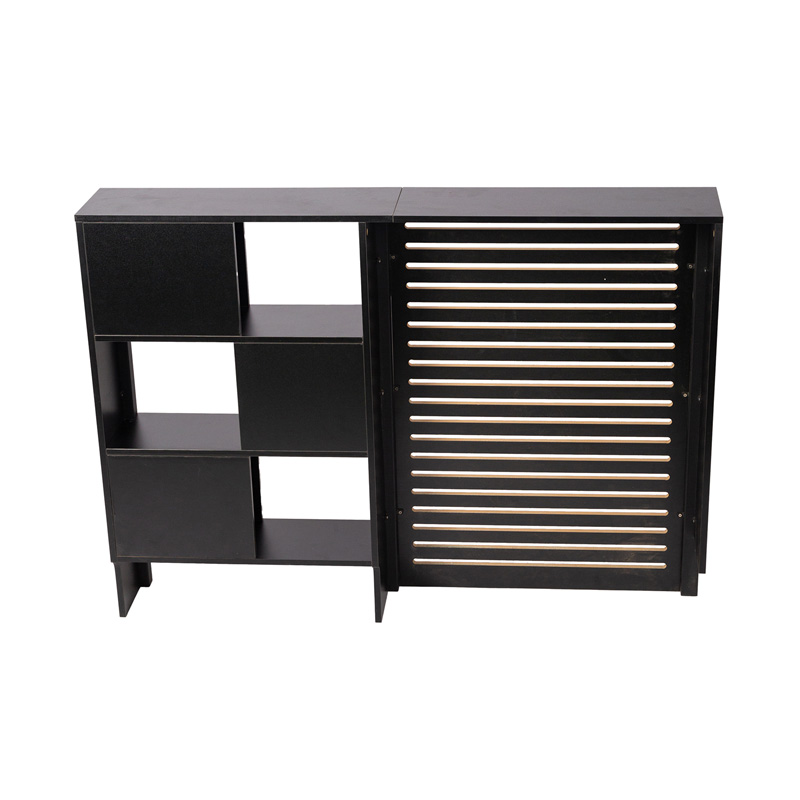
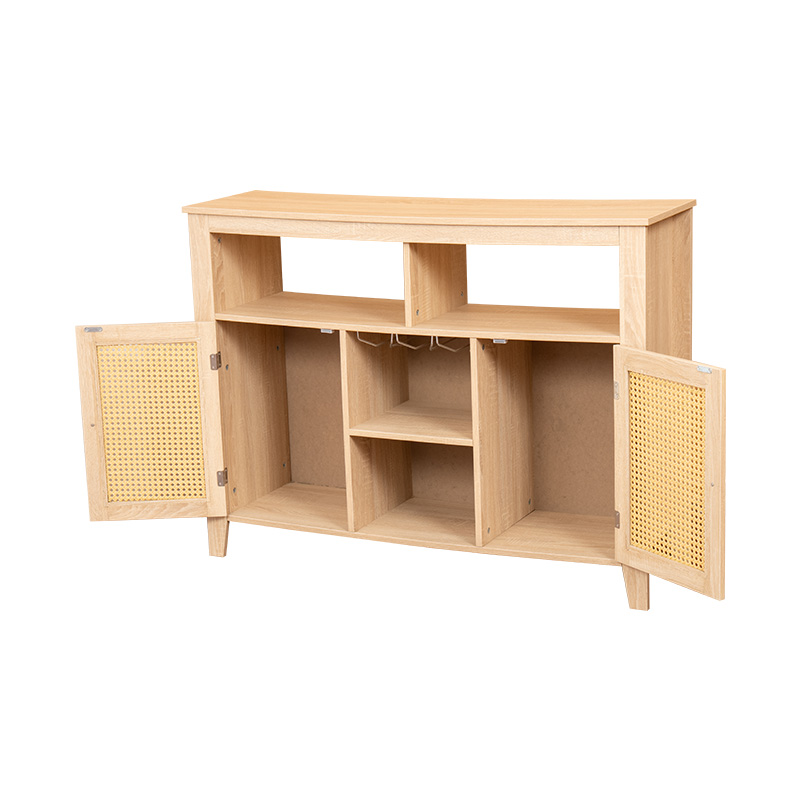
Beyond individual wooden or metal cabinets, the concept of a cabinet unit has gained popularity. A cabinet unit typically refers to a modular system that combines multiple storage compartments into a single functional block. These units can include drawers, shelves, and closed compartments, allowing flexible storage for a variety of items.
Cabinet units can be arranged in different configurations to fit wall lengths, corner spaces, or even freestanding areas. They are particularly useful in office environments where documents, tools, and equipment need to be organized in a systematic way. In residential settings, cabinet units serve as multifunctional furniture, such as combining kitchen storage with countertop space or integrating media storage with decorative shelving.
The modular nature of these units often allows for easier upgrades. Instead of replacing an entire cabinet, one can swap out or add modules to adjust storage capacity. This adaptability makes cabinet units a practical choice for spaces that evolve over time.
Why Are Wooden Cabinets Preferred in Residential Spaces?
Wooden cabinets have long been a favorite for home interiors due to their aesthetic qualities. Homeowners often select these cabinets to complement existing furniture styles or architectural features. Beyond appearance, wooden cabinets provide a versatile storage solution. They can include drawers for utensils, shelves for dishes, or tall sections for brooms and mops, adapting to a variety of household needs.
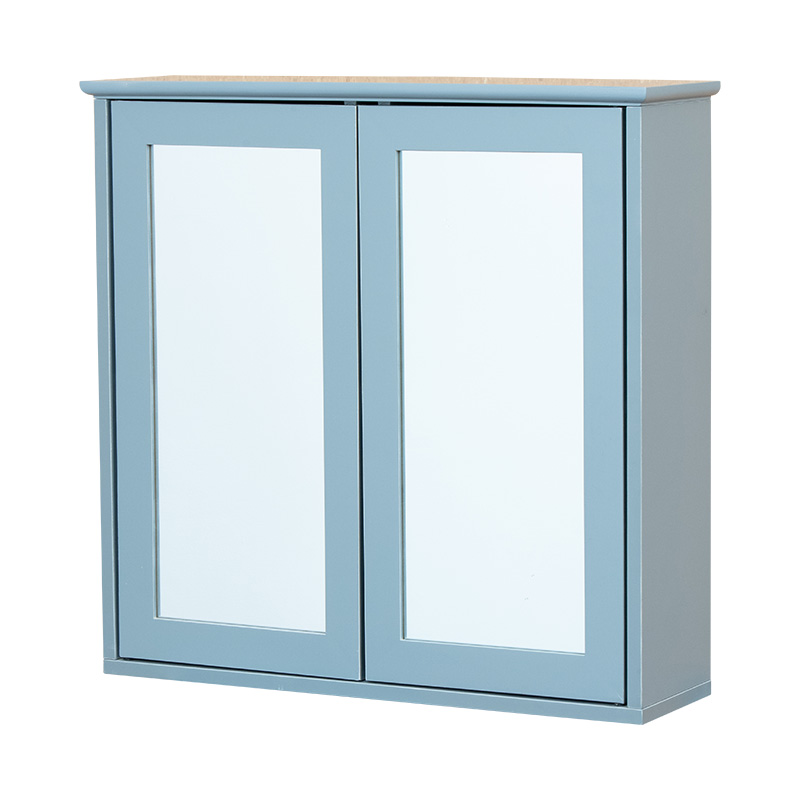
Another factor is customization. Wooden cabinets can be tailored to exact dimensions, enabling precise fitting in kitchens, bathrooms, or closets. They also allow design flexibility, including carved detailing, paneling, or mixed-material combinations such as wood and glass. For families, the ability to modify or refinish a wooden cabinet extends its life and keeps the space visually updated without replacing entire units.
What Makes Metal Cabinets Suitable for High-Demand Environments?
Metal cabinets excel in settings where durability and security are critical. Their rigid frames handle frequent opening and closing without warping, which is particularly important in office filing systems or industrial storage areas. Fire-resistant models protect sensitive documents, while lockable doors add an extra layer of security.
Maintenance is generally straightforward. Metal cabinets can be wiped clean with damp cloths, and rust prevention coatings prolong their lifespan. In laboratories or healthcare facilities, metal cabinets are ideal because they resist chemical spills and can be easily sanitized. While they may lack the warmth of wood, their long-term performance often justifies their use in environments that require heavy-duty storage.
How Do Cabinet Units Offer Versatility for Both Wood and Metal Options?
Cabinet units are not limited to a single material. Wooden units bring the charm and flexibility of traditional design, while metal modules add structural strength and safety. Some designs even combine both, with wooden doors on a metal frame, merging aesthetics with resilience.
The advantage of units lies in their configuration options. A single cabinet unit can provide:
- Drawers for small items
- Shelves for books or equipment
- Lockable compartments for valuables
This multi-functionality makes cabinet units a popular choice in homes where kitchen, office, or entertainment storage needs intersect. Businesses also benefit, as units can be scaled up or rearranged according to changing inventory or workflow requirements.
What Are Practical Tips for Choosing the Right Cabinet?
When selecting a cabinet—whether wooden, metal, or a modular unit—several factors should guide the decision:
- Space Constraints: Measure the available area carefully. Cabinet units often allow for modular expansion to fit tight or irregular spaces.
- Material Needs: Choose wood for decorative or domestic applications and metal for durability and security. Hybrid units can combine both benefits.
- Maintenance Expectations: Wooden cabinets require occasional refinishing or polishing, whereas metal cabinets mainly need rust prevention and cleaning.
- Usage Frequency: Heavy-use areas such as workshops, schools, or offices benefit from metal cabinets, while lighter-use spaces like living rooms may favor wood.
- Budget Considerations: Wooden cabinets can vary widely in price depending on the type of wood and finish. Metal cabinets are generally cost-effective over their lifetime due to lower maintenance.
How Do Aesthetic Choices Influence Cabinet Selection?
A cabinet is not just a storage solution; it can also influence the look and feel of a room. Wooden cabinets are often preferred in settings where visual appeal is important. They can be painted, stained, or even carved to match the interior design. Metal cabinets, while simpler in design, can offer industrial or modern looks, often with clean lines and matte or glossy finishes.
Cabinet units provide further aesthetic flexibility. Combining materials, textures, or colors allows homeowners and businesses to coordinate storage solutions with overall decor. For example, a metal-framed unit with wooden doors can create a balanced blend of warmth and functionality, enhancing the space without overwhelming it.
What Are the Emerging Trends in Cabinet Design?
Recent years have seen several trends shaping cabinet design:
- Modular Flexibility: More consumers prefer cabinet units that allow easy reconfiguration.
- Mixed Materials: Blending wood, metal, and glass to achieve both durability and style.
- Eco-Friendly Materials: Sustainable wood and recycled metals are increasingly popular.
- Smart Storage: Some units now integrate charging stations, LED lighting, or sliding compartments to improve usability.
These trends indicate a shift toward cabinets that serve multiple purposes, combining storage, decoration, and functionality.
Selecting the right cabinet involves balancing material, function, and design. Wooden cabinets are ideal for adding warmth and aesthetic appeal, metal cabinets provide security and durability, and cabinet units offer modular flexibility to adapt over time. By considering space, usage, and maintenance, homeowners and businesses can invest in storage solutions that support both organization and style.
Whether the goal is to tidy up a home, organize office files, or enhance a workshop, cabinets and cabinet units remain essential tools in creating efficient and attractive spaces. Understanding the strengths and applications of each type ensures that storage choices meet long-term needs without compromising on design or usability.


 中文简体
中文简体