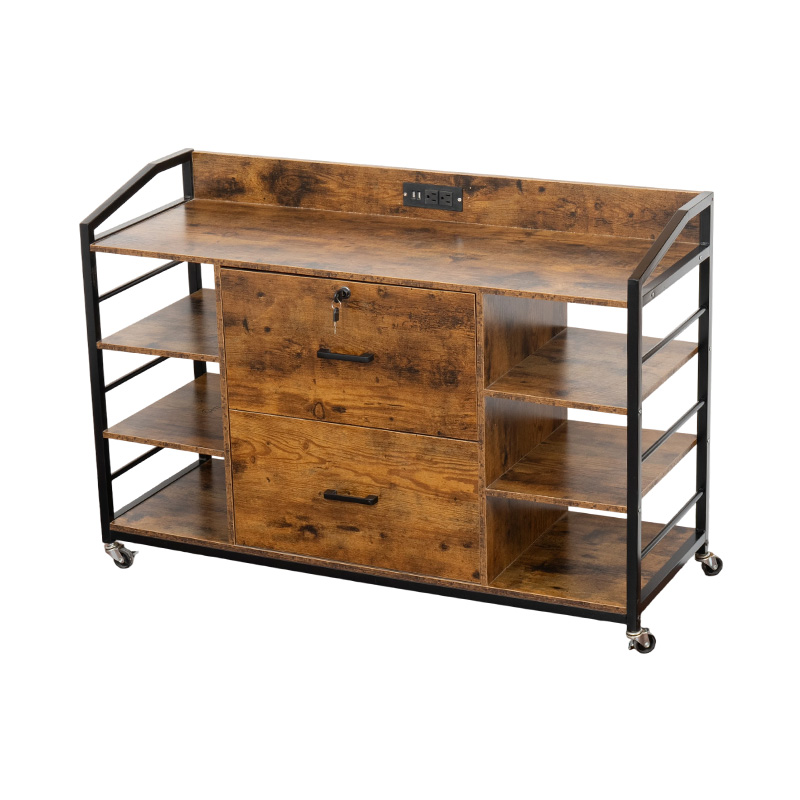
Office storage may seem straightforward, but behind every cabinet is a detailed production process. A File Cabinet Factory plays a central role in supplying businesses with organized, durable storage solutions. From corporate offices to public institutions, file cabinets remain essential for managing documents securely and efficiently. For B2B buyers, understanding how these products are designed and manufactured helps ensure long-term usability and consistent supply.
Manufacturing Foundations
A modern File Cabinet Factory focuses on precision and repeatability. The process begins with raw material selection, typically cold-rolled steel or engineered wood panels. Each material offers different advantages depending on the intended use, such as durability, weight, or cost considerations.
Production usually includes:
- Cutting and Forming: Steel sheets are cut and shaped using automated machinery.
- Welding or Assembly: Structural components are joined to form the cabinet frame.
- Surface Treatment: Powder coating or painting improves corrosion resistance and appearance.
- Final Assembly: Drawers, rails, and locking systems are installed and tested.
Consistency in these steps ensures that every unit meets the same structural and functional standards.
Design Considerations for Modern Offices
A File Cabinet Factory does more than produce storage units; it adapts designs to changing office needs. Modern workplaces require cabinets that fit both physical and digital workflows.
Key design factors include:
- Drawer Configuration: Options for letter-size, legal-size, or mixed storage.
- Locking Mechanisms: Central locking systems for document security.
- Mobility: Cabinets with wheels for flexible office layouts.
- Space Efficiency: Vertical designs help save floor space in compact environments.
Manufacturers often work with clients to customize sizes, colors, and internal layouts, making cabinets suitable for different industries.
Quality Control and Testing
Quality assurance is a critical part of any File Cabinet Factory operation. Before products reach buyers, they undergo several checks:
- Load Testing: Drawers are tested for weight capacity and smooth operation.
- Durability Checks: Repeated opening and closing cycles ensure long-term use.
- Surface Inspection: Coatings are examined for scratches, uneven finishes, or defects.
- Lock Function Testing: Security systems are verified for reliability.
These steps help reduce defects and maintain consistency across bulk orders, which is especially important for large office projects.
B2B Advantages and Supply Capabilities
For B2B buyers, working directly with a File Cabinet Factory offers practical benefits:
- Bulk Production: Factories can fulfill large orders with consistent specifications.
- Customization Options: Branding, colors, and configurations can be adjusted to match project needs.
- Cost Management: Direct sourcing reduces intermediary costs.
- Stable Supply Chain: Reliable production schedules support project timelines.
These advantages make factory partnerships valuable for office furniture distributors, contractors, and corporate buyers.
Sustainability and Material Efficiency
Sustainability has become an important consideration in manufacturing. Many factories now focus on reducing waste and improving material efficiency. A File Cabinet Factory may adopt practices such as:
- Using recyclable metals and eco-friendly coatings
- Reducing material waste during cutting and forming
- Improving energy efficiency in production lines
These efforts align with the expectations of businesses that prioritize environmental responsibility in procurement decisions.
A File Cabinet Factory represents more than a production site; it is a combination of engineering, design, and supply chain coordination. By focusing on material quality, precise manufacturing, and consistent testing, factories can deliver storage solutions that meet the needs of modern offices. For B2B buyers, choosing the right manufacturing partner ensures reliable products, flexible customization, and long-term value in office storage systems.


 中文简体
中文简体