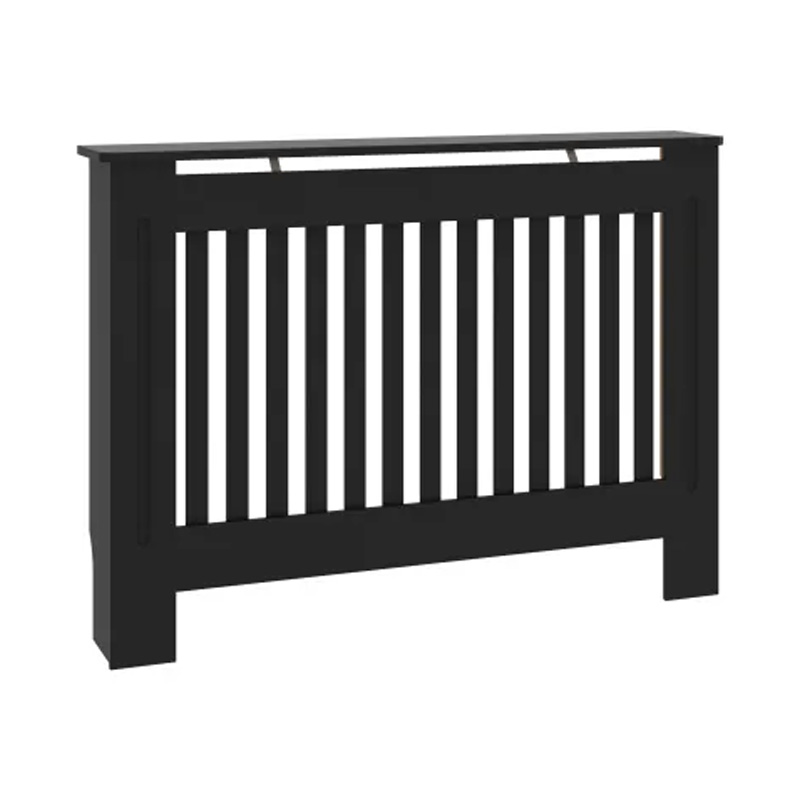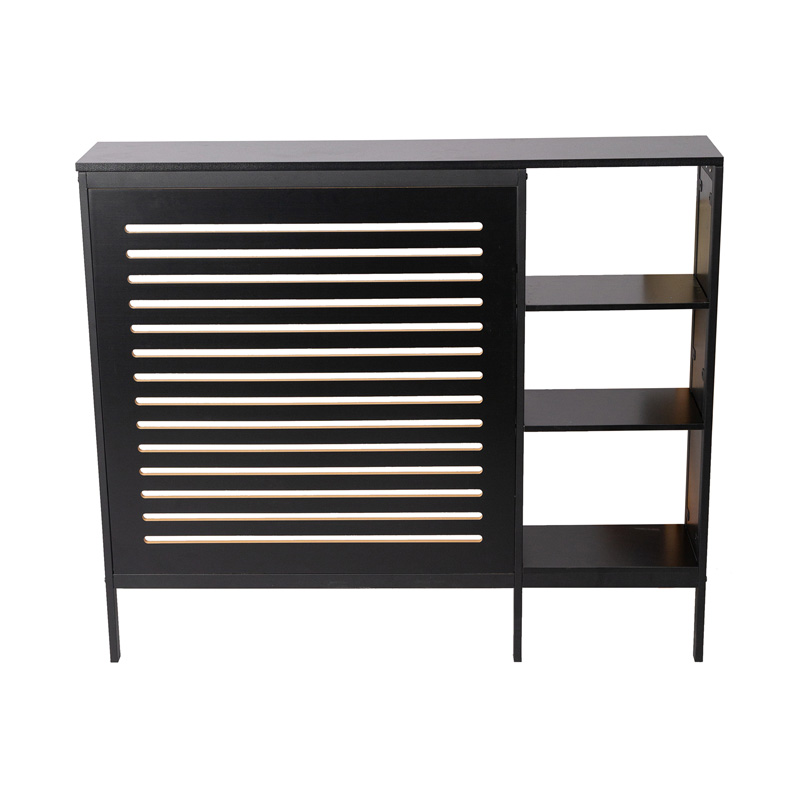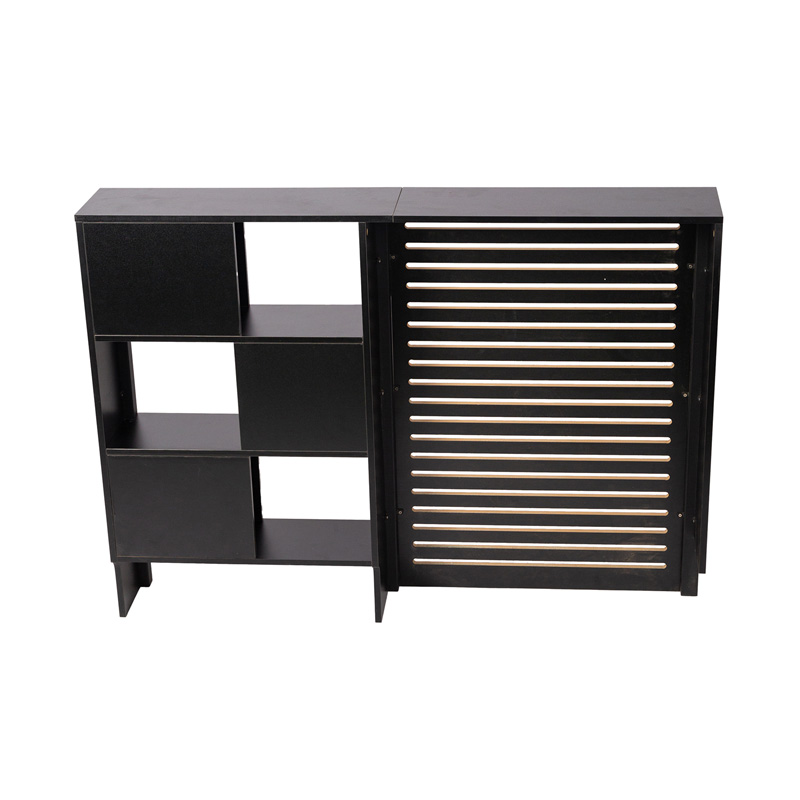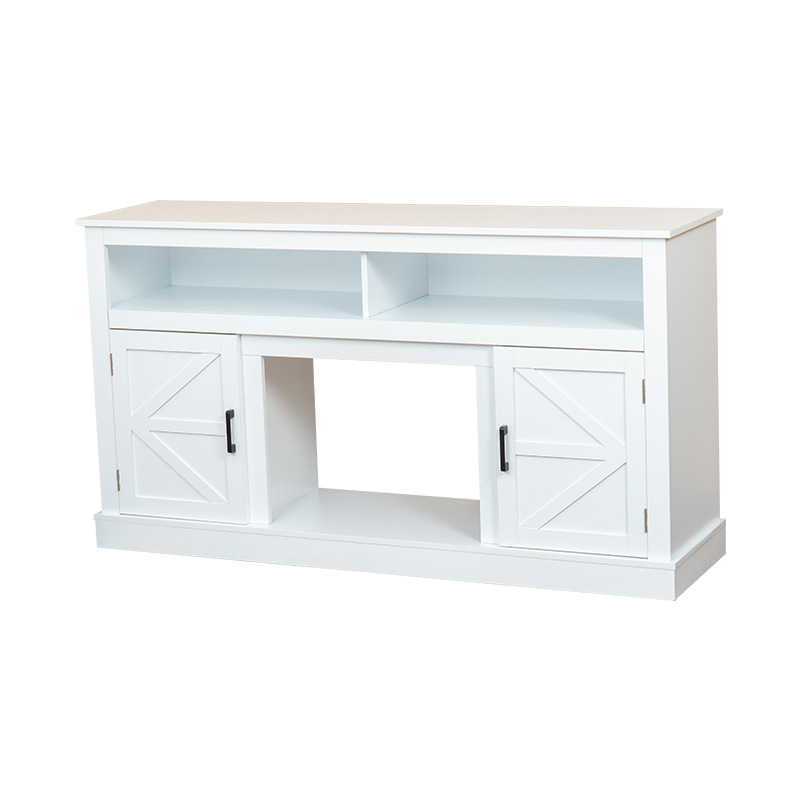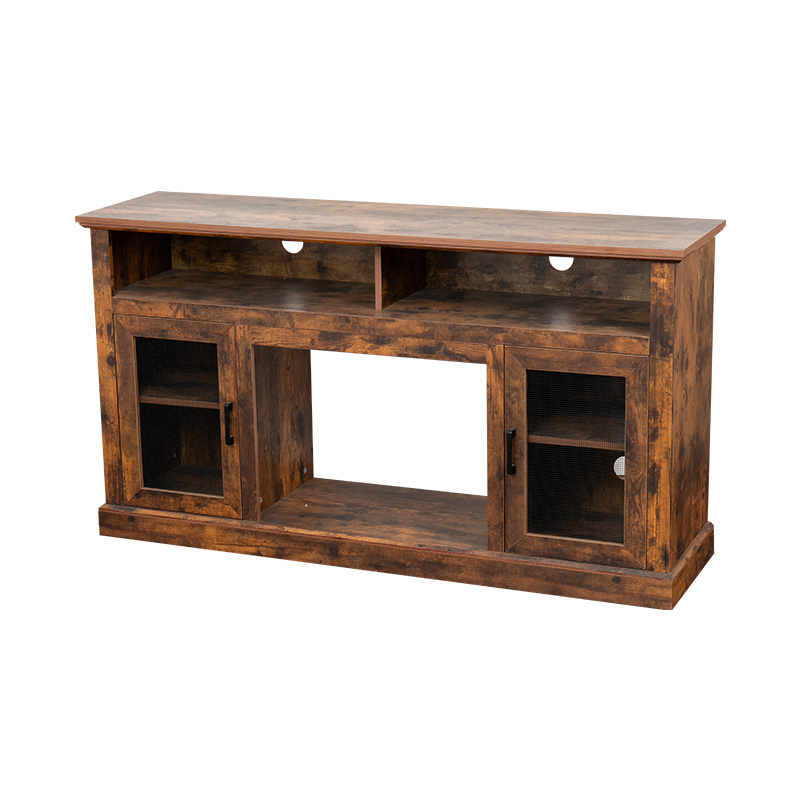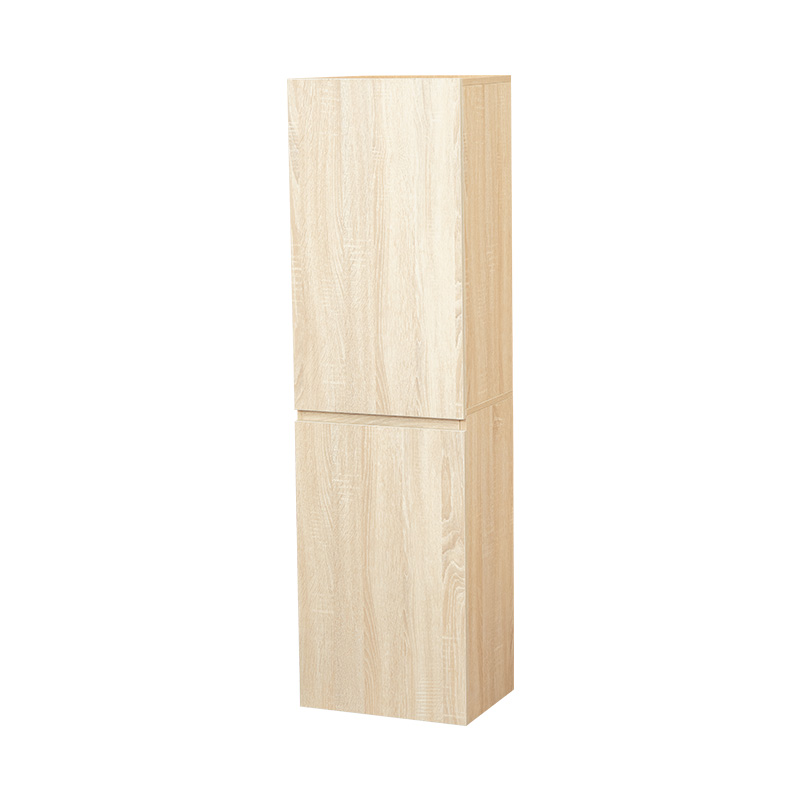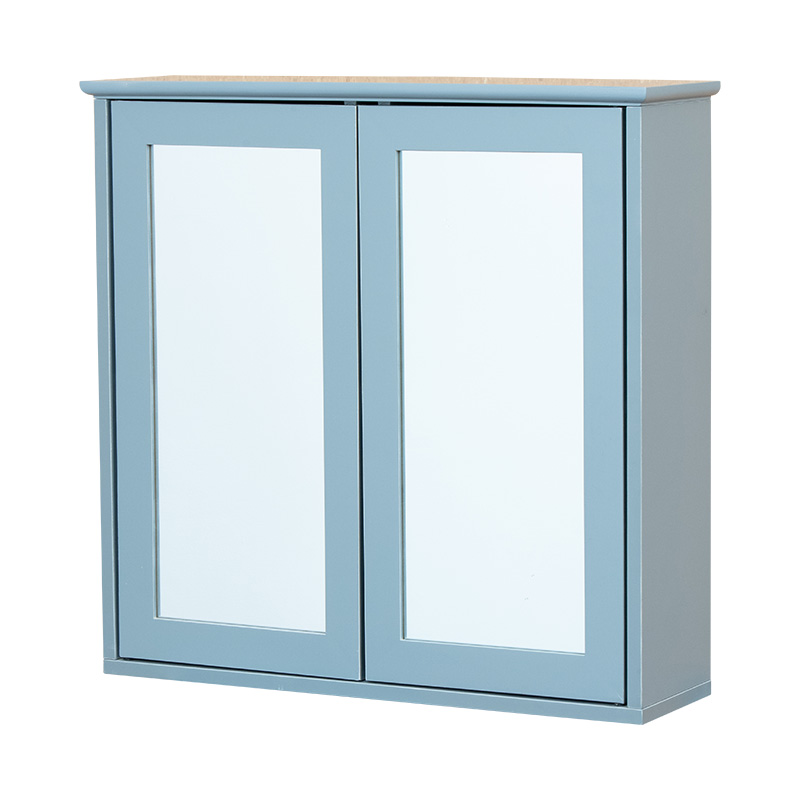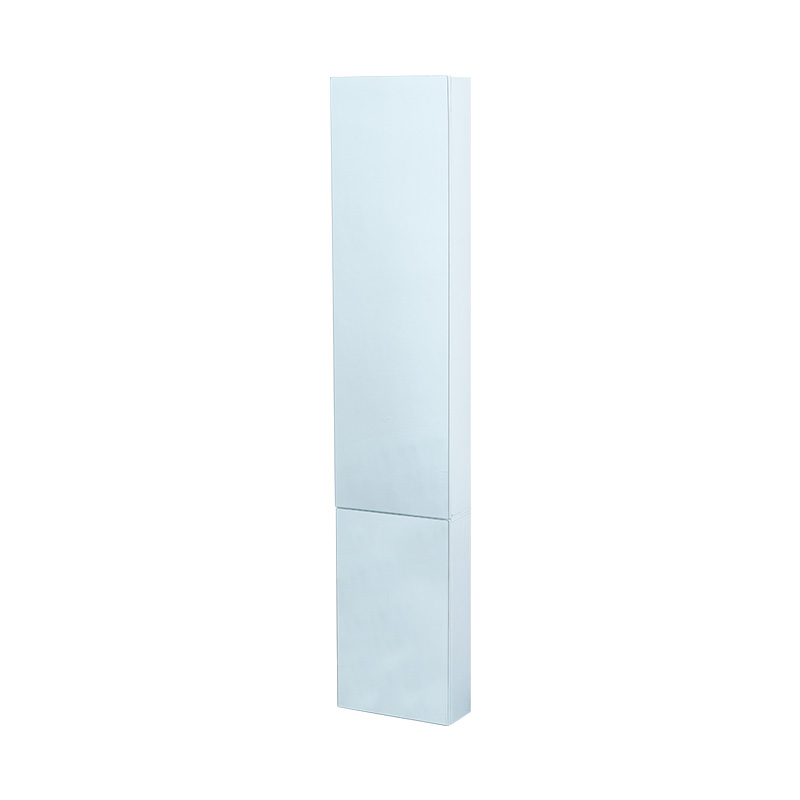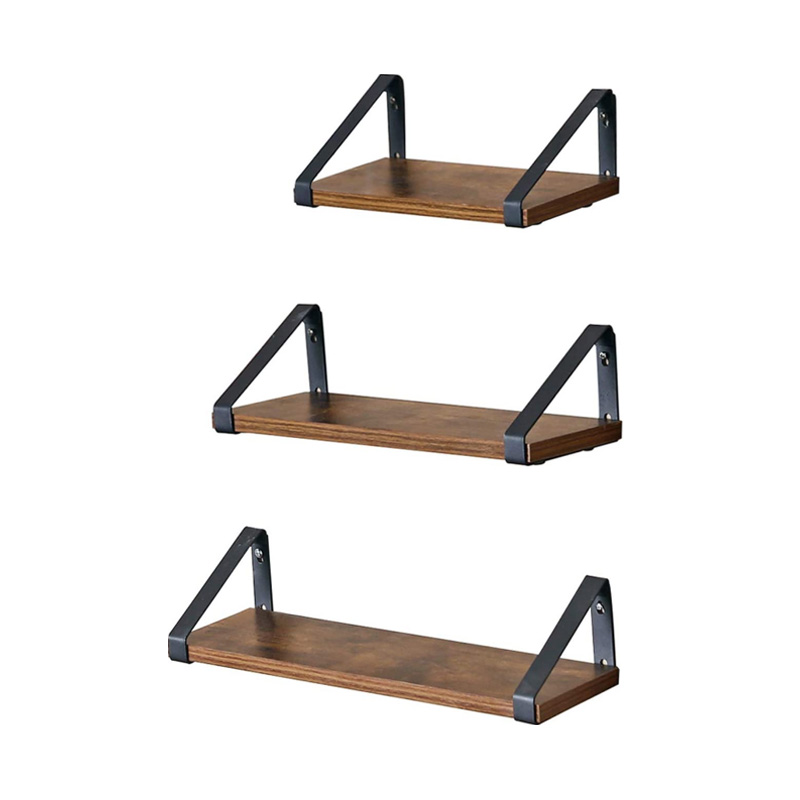
Wall shelves are simple in appearance but require careful production to ensure strength, stability, and visual appeal. From a factory perspective, a Wall Shelf Manufacturer manages a sequence of processes that transform raw materials into finished products ready for installation. Each stage, from material preparation to final inspection, plays a role in ensuring the shelf performs reliably in daily use.
Material Selection and Preparation
The process begins with selecting appropriate materials. Common options include solid wood, engineered wood such as MDF or plywood, and metal brackets or frames. Each material is chosen based on load requirements, cost considerations, and design intent. Wood panels are checked for moisture content and surface consistency, while metal components are inspected for thickness and finish quality. Proper preparation, including cutting raw boards into manageable sizes, ensures that the Wall Shelf Manufacturer can maintain consistency in later stages.
Cutting and Shaping
After preparation, materials move to cutting and shaping. CNC routers, panel saws, and drilling machines are used to achieve accurate dimensions and smooth edges. For shelves with decorative profiles, additional shaping tools are applied to create curves or beveled edges. Precision at this stage is essential, as uneven cuts may affect assembly and load distribution. By controlling machining accuracy, the Wall Shelf Manufacturer ensures that each component fits correctly during assembly.
Surface Treatment and Finishing
Surface treatment is a key step in both durability and appearance. Wooden shelves may be sanded, painted, laminated, or veneered depending on design requirements. Metal parts are often coated or powder-treated to resist corrosion. Finishing processes are usually carried out in controlled environments to maintain uniform coating thickness and color consistency. Through careful finishing, a Wall Shelf Manufacturer improves both the lifespan and visual quality of the final product.
Assembly and Hardware Integration
Assembly involves combining shelves with brackets, supports, and mounting hardware. Screws, anchors, and fittings are selected based on load capacity and installation method. Workers or semi-automated systems ensure alignment between components, checking that holes and joints match design specifications. In some factories, pre-assembly is done to simplify installation for the end user. This stage ensures that each Wall Shelf Manufacturer product is structurally stable and easy to install.
Quality Control and Testing
Quality control is essential throughout production. Shelves are inspected for dimensional accuracy, surface defects, and structural integrity. Load testing may be performed to confirm that shelves can support expected weight without deformation. Finishes are checked for scratches, uneven coating, or adhesion issues. Any defective items are reworked or removed. These procedures allow the Wall Shelf Manufacturer to maintain consistent product standards across batches.
Packaging and Logistics
Once inspection is complete, products are packaged for transport. Protective materials such as foam, corner guards, or shrink wrap are used to prevent damage. Packaging often includes installation instructions and hardware kits. Efficient packaging design helps reduce shipping costs while protecting the product. Proper logistics planning ensures that shelves arrive in good condition and are ready for installation.
From raw material selection to packaging, a Wall Shelf Manufacturer oversees a structured production process that balances design, durability, and efficiency. Each stage, including machining, finishing, assembly, and testing, contributes to the reliability of the final product. By maintaining consistent manufacturing practices and quality checks, manufacturers produce wall shelves that meet practical needs while fitting a range of interior spaces.


 中文简体
中文简体