Q1: What is a conference table and why is it important?
A Conference Table is designed to accommodate group discussions, meetings, and collaborative work in office environments. It provides a central surface where participants can share documents, devices, and ideas efficiently.
Conference tables vary in size, shape, and material, allowing offices to choose designs that fit both the space and functional requirements. Larger tables can seat a dozen or more participants comfortably, while smaller tables suit intimate meeting rooms.
The choice of a conference table also influences the room’s layout and traffic flow, ensuring that participants can move freely without disrupting the meeting.
Q2: How does a training table enhance learning environments?
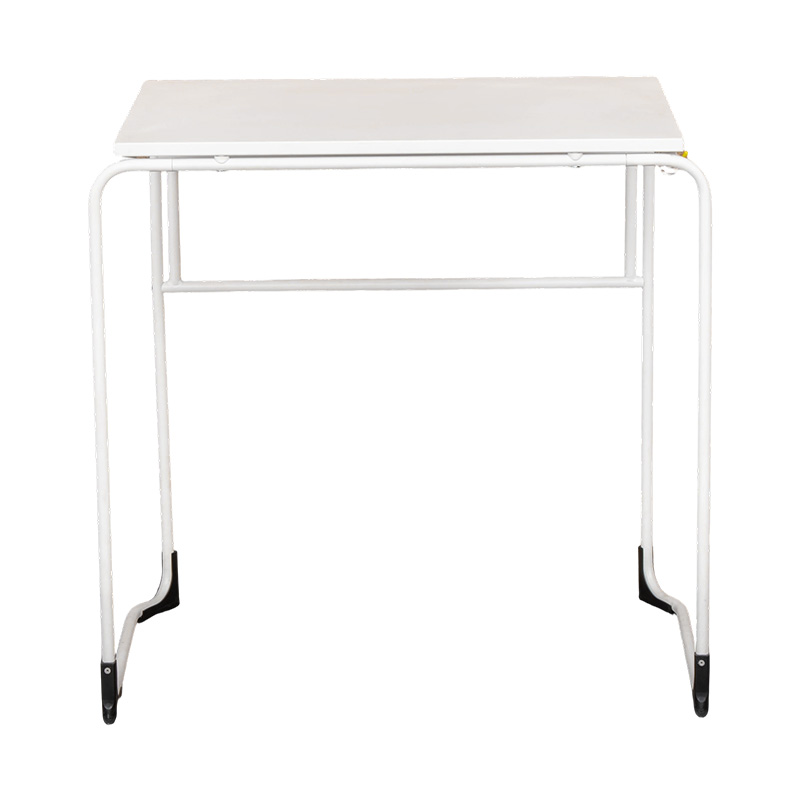
A Training Table is intended for educational or professional development sessions. It often includes modular or adjustable components to support group activities, note-taking, and the use of laptops or tablets.
These tables help instructors organize materials while giving participants sufficient personal space, creating a structured and productive learning environment. They are also useful in flexible training rooms where arrangements may need to change frequently for workshops or group exercises.
Some training tables feature foldable or stackable designs to optimize storage when not in use.
Q3: What are the benefits of an office conference table?
An Office Conference Table integrates functional design with aesthetic considerations for corporate environments. It often includes cable management systems, integrated power outlets, and ergonomic dimensions to support technology and comfort.
Such tables facilitate collaboration during meetings and provide a professional appearance that reflects the office’s organizational standards. Some office conference tables also include built-in storage compartments for markers, documents, or presentation materials, enhancing convenience during long meetings.
Q4: What materials and construction methods are commonly used?
Conference and training tables are usually made from wood, metal, laminate, or composite materials. A Conference Table often uses solid wood or veneer for a professional look, while Training Tables frequently utilize lightweight metal frames with durable tabletops for flexibility.
Office Conference Tables may combine materials to balance durability, style, and ease of maintenance. Some designs incorporate tempered glass or polished surfaces for modern aesthetics while still ensuring strength. Proper construction ensures stability during frequent use and prevents warping or wobbling.
Q5: How do design features affect usability?
Design plays a key role in both accessibility and comfort. Conference Tables should provide sufficient legroom and seating capacity for all participants. Training Tables often feature adjustable height options or foldable components for easy storage and reconfiguration.
Office Conference Tables may include modular sections for different meeting formats, supporting both small discussions and larger gatherings efficiently. Rounded edges, cable grommets, and built-in power modules enhance usability and reduce clutter in modern offices.
Q6: How do these tables support collaboration?
A Conference Table encourages group interaction by centralizing participants and allowing shared access to materials. Training Tables support interactive learning, enabling participants to work in pairs or teams.
Office Conference Tables integrate technology-friendly designs, allowing participants to connect laptops or projectors easily. Movable training tables allow quick rearrangement for brainstorming or team exercises, improving collaboration.
Q7: How is maintenance handled for these tables?
Routine care ensures longevity and appearance. Conference Tables should be cleaned regularly to remove dust and prevent scratches. Training Tables may require occasional inspection of adjustable mechanisms or hinges.
Office Conference Tables with integrated power solutions should have cables and outlets checked periodically. Using protective pads for writing or laptops can further preserve tabletops over time.
Q8: How are these tables integrated into office layouts?
Proper placement optimizes both space and workflow. Conference Tables are usually located in dedicated meeting rooms, allowing clear pathways for movement and equipment setup. Training Tables are arranged to allow instructors to monitor participants easily.
Office Conference Tables should accommodate audiovisual equipment and ensure participants can interact without obstruction. Some offices pair tables with chairs on casters to allow quick reconfiguration for different meeting types.


 中文简体
中文简体