Bathrooms present unique challenges for storage furniture. High humidity, temperature changes, and direct water exposure require cabinets built with specific materials and construction methods. A Bathroom Cabinet Factory specializes in producing storage units designed to withstand these conditions. Instead of using standard woodworking techniques suitable for dry spaces, these facilities adapt their processes to create products that hold up in wet areas.
A Bathroom Cabinet Factory typically includes panel processing lines, finishing booths, assembly stations, and packaging areas. Materials arrive at receiving docks and move through each production step with special attention to moisture protection at every stage.
Other materials include PVC or acrylic finishes that repel water, aluminum trim for edges exposed to moisture, and stainless steel hardware that resists rust. A Bathroom Cabinet Factory typically avoids particleboard in wet-area products, as it swells and degrades when exposed to humidity over time.
Construction Techniques for Moisture Protection
Building a bathroom cabinet requires more than just choosing the right materials. A Bathroom Cabinet Factory uses specific construction methods to keep water out:
- All cut edges are sealed with edge banding or waterproof coating
- Bottom panels are raised slightly or given plastic feet to keep the cabinet above floor moisture
- Back panels are fully attached rather than using nail-on styles that leave gaps
- Sink base cabinets have cutouts for plumbing that are sealed with trim or coating
These details may be small, but they determine how long a cabinet lasts in a bathroom. Unsealed edges absorb humidity and swell. Gaps at the back allow steam to reach wall surfaces behind the cabinet. A well-built unit from a Bathroom Cabinet Factory addresses these points during production.
Finishing for Wet Environments
The finish on a bathroom cabinet acts as the primary barrier against moisture. A Bathroom Cabinet Factory typically applies multiple layers of coating. Primer seals the wood surface. Two or more topcoats build thickness. For painted cabinets, the factory uses paints formulated for high-humidity areas.
Some products receive thermofoil finishes. A vinyl film is heat-sealed onto medium-density fiberboard substrates. This creates a seamless, waterproof surface with no joints or edges where moisture can enter. Thermofoil is common on budget and mid-range bathroom cabinets.
For wood veneer products, clear conversion varnish or two-part polyurethane provides durability. These finishes resist water spotting and cleaning chemicals better than standard furniture lacquers.
Common Product Types
A Bathroom Cabinet Factory typically produces several standard configurations:
- Vanity cabinets that support sinks and provide under-counter storage
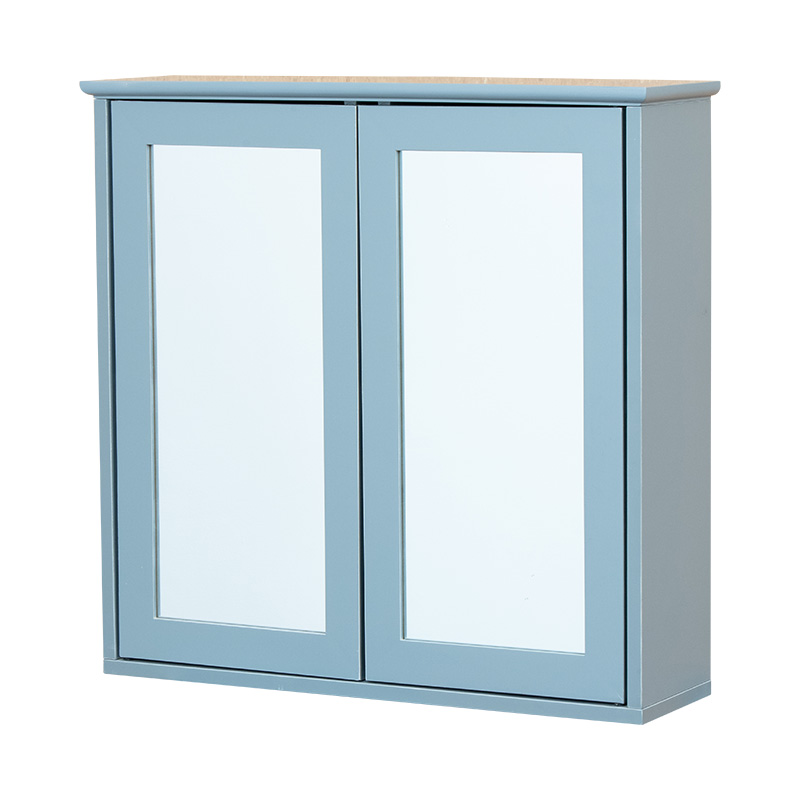
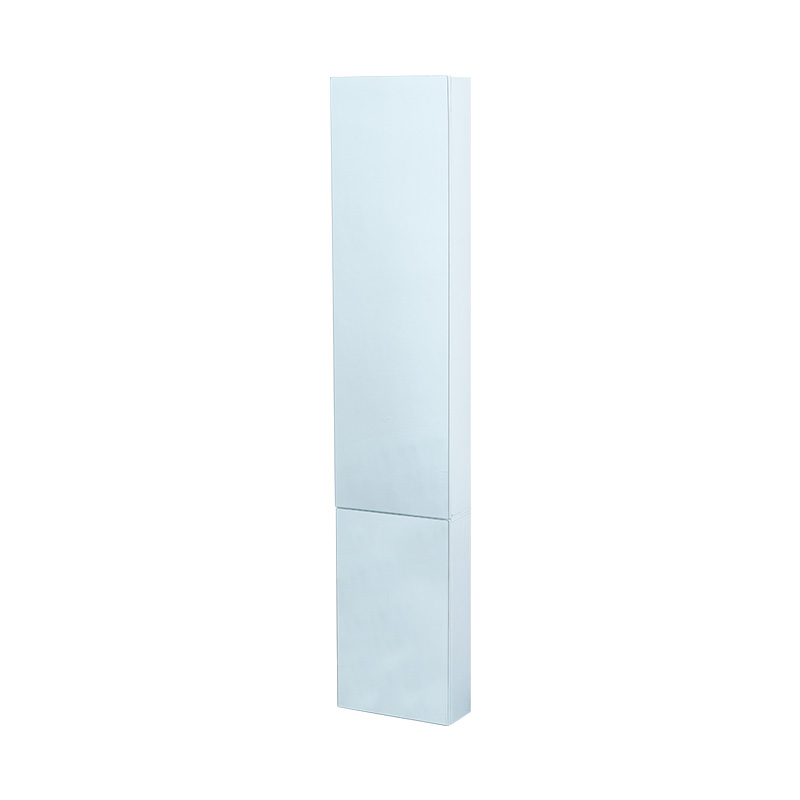
- Wall-mounted medicine cabinets with mirrored fronts
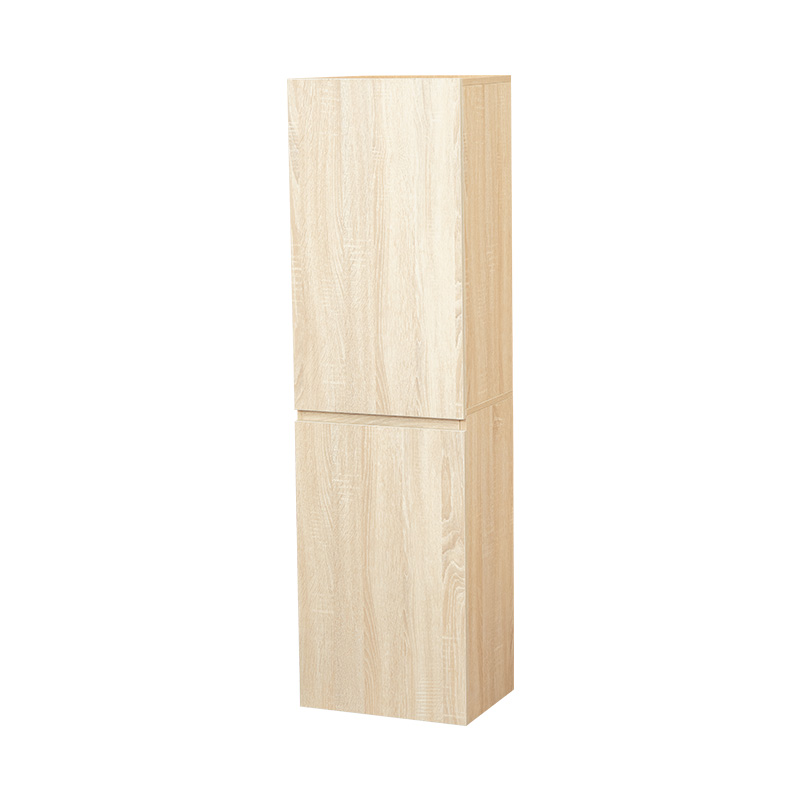
- Tall linen cabinets for towel and supply storage
- Sink base cabinets with doors and sometimes drawers
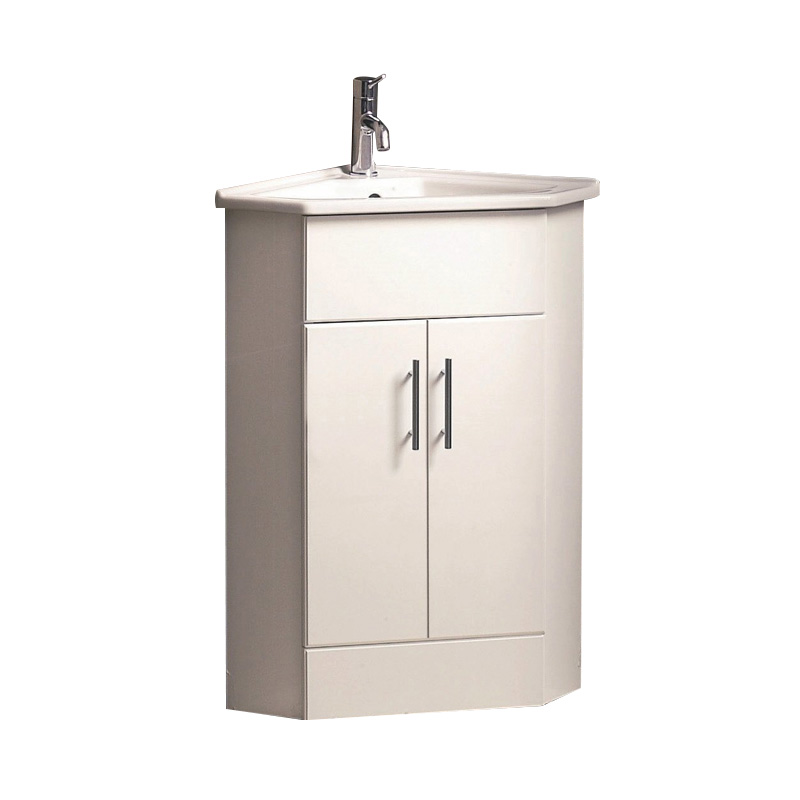
- Corner cabinets that fit into unused bathroom spaces
Each type has specific construction requirements. Vanity cabinets need cutouts or notches for sink installation. Medicine cabinets require hinges that hold the door open at a usable angle. Tall cabinets need anchoring points to prevent tipping.
Hardware Selection
Hardware in a bathroom must resist rust and corrosion. A Bathroom Cabinet Factory selects hinges, drawer slides, and pulls made from stainless steel, brass, or coated materials. Standard zinc-plated hardware used in kitchen cabinets may show rust within months in a bathroom environment.
Soft-close hinges and slides are common on bathroom cabinets. These features prevent doors and drawers from slamming, which matters in quiet morning routines. The same dampening mechanisms must be specified with corrosion-resistant materials to maintain performance over time.
Packaging and Shipping
Finished cabinets from a Bathroom Cabinet Factory are packaged with care for the plumbing and hardware components. Vanity tops, where included, are packed in separate cartons with foam protection. Hardware bags are taped inside cabinet boxes or attached to doors.
Labels include product codes, finish color, and installation instructions. Cartons are stacked on pallets with edge protectors to prevent crushing during shipment. Many products ship directly to home improvement retailers or kitchen and bath showrooms.
Special Considerations for Bathroom Products
Unlike other furniture categories, bathroom cabinets often arrive on site before tile, flooring, and paint are finished. A Bathroom Cabinet Factory may include protective film on finished surfaces to guard against job site dust and damage. Installation instructions typically note that cabinets should be stored in dry areas until ready for mounting.
A Focused Manufacturing Operation
From material selection to final packaging, the Bathroom Cabinet Factory organizes its production around the specific demands of wet environments. Its choice of moisture-resistant materials, sealed construction methods, and durable finishes supports storage products suited for bathrooms in homes and commercial buildings.


 中文简体
中文简体