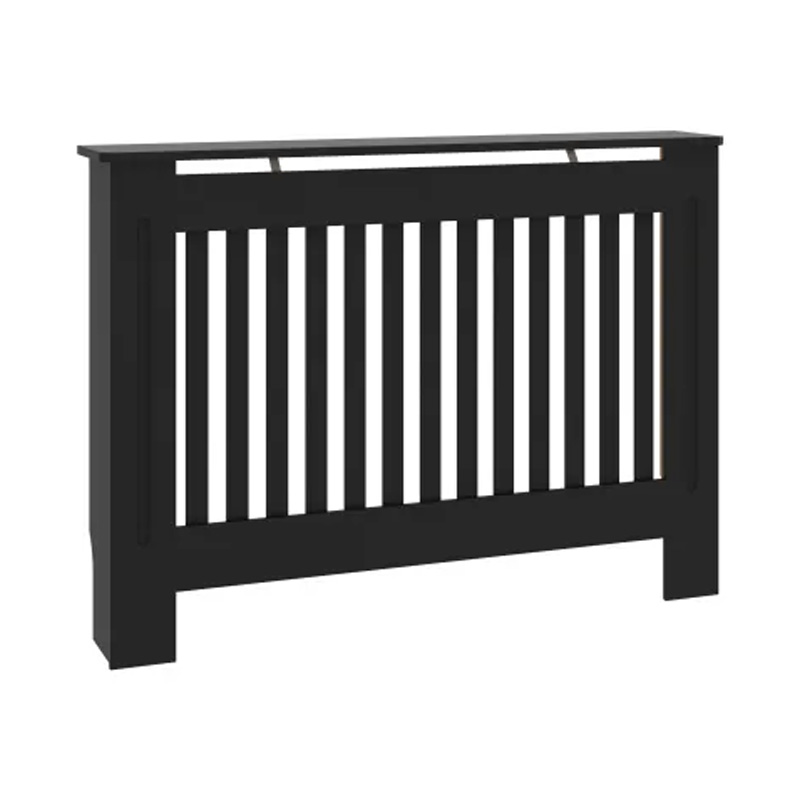
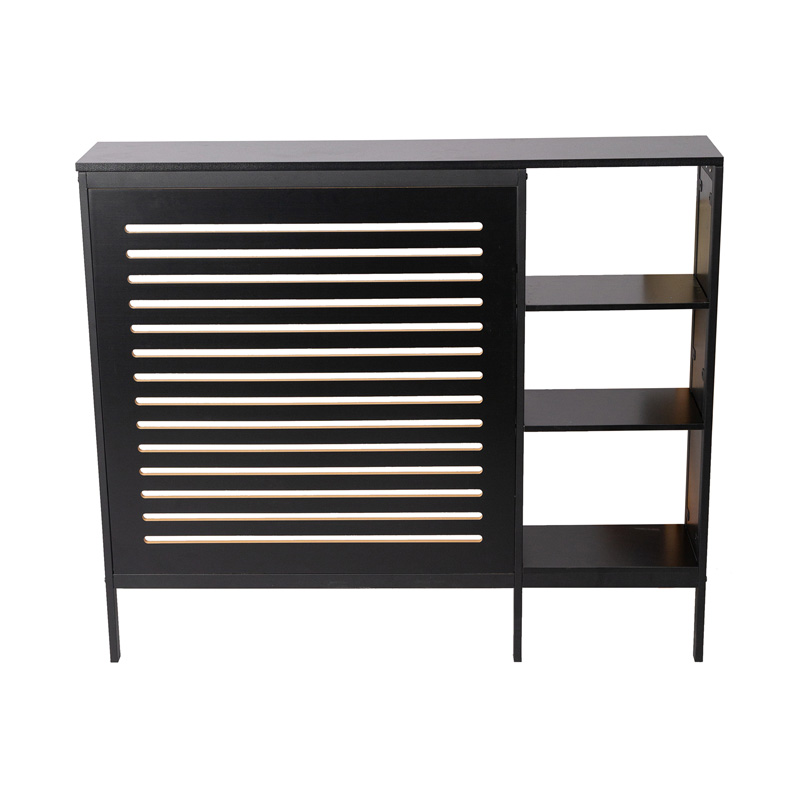
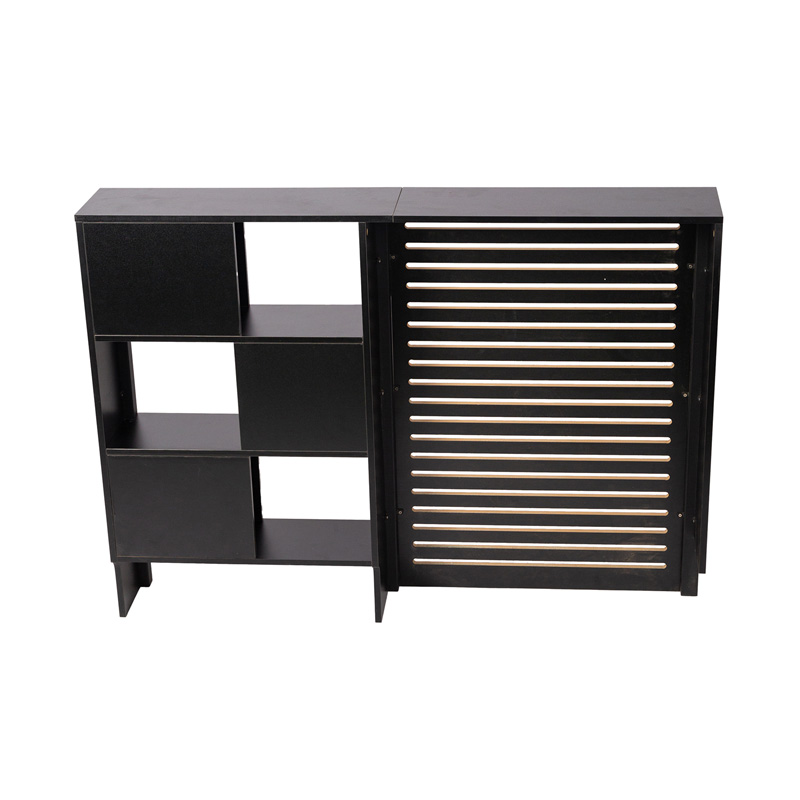
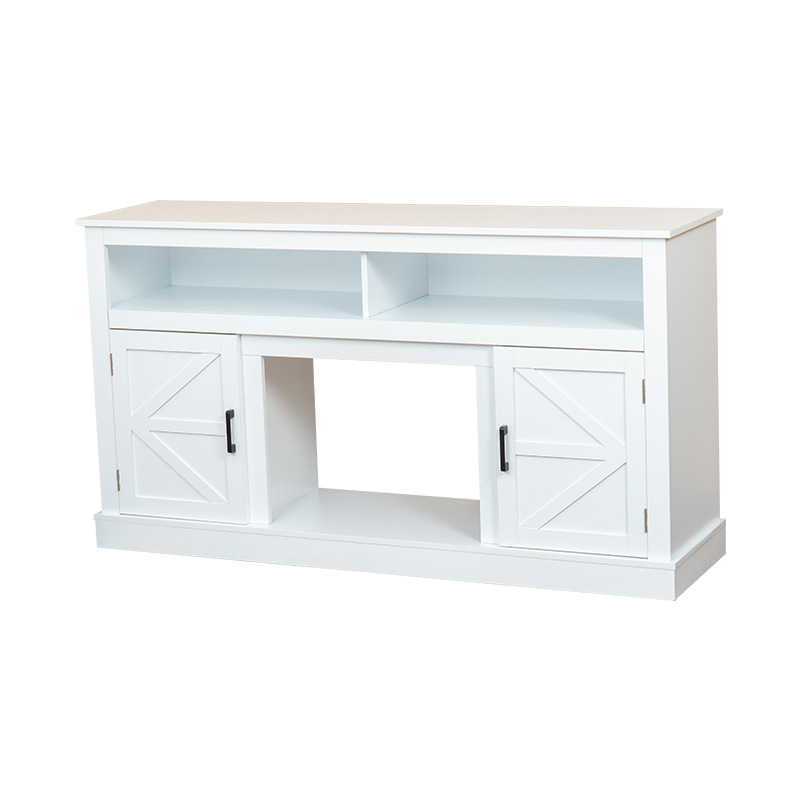
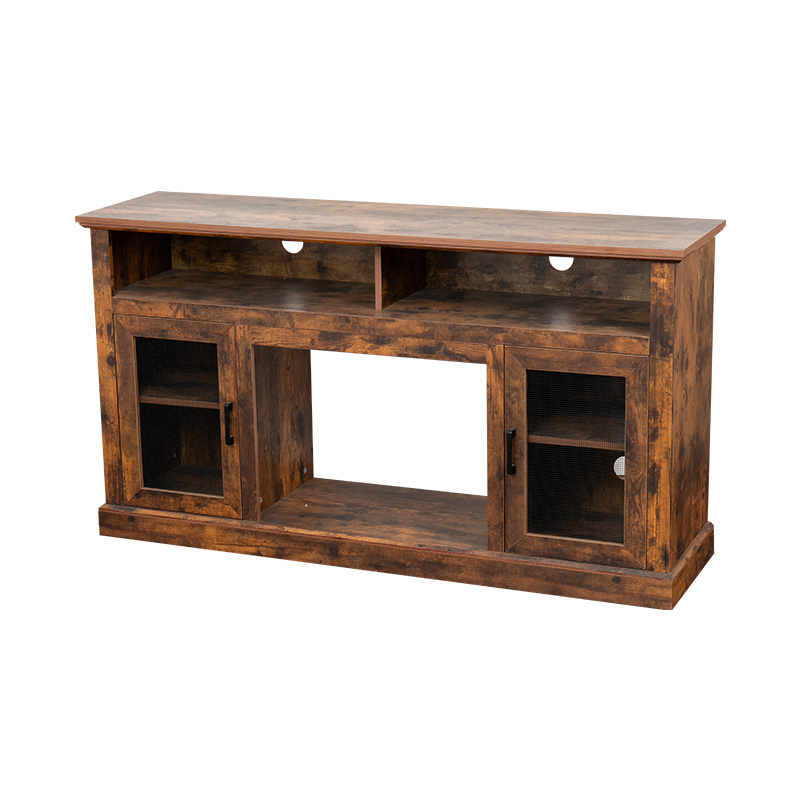
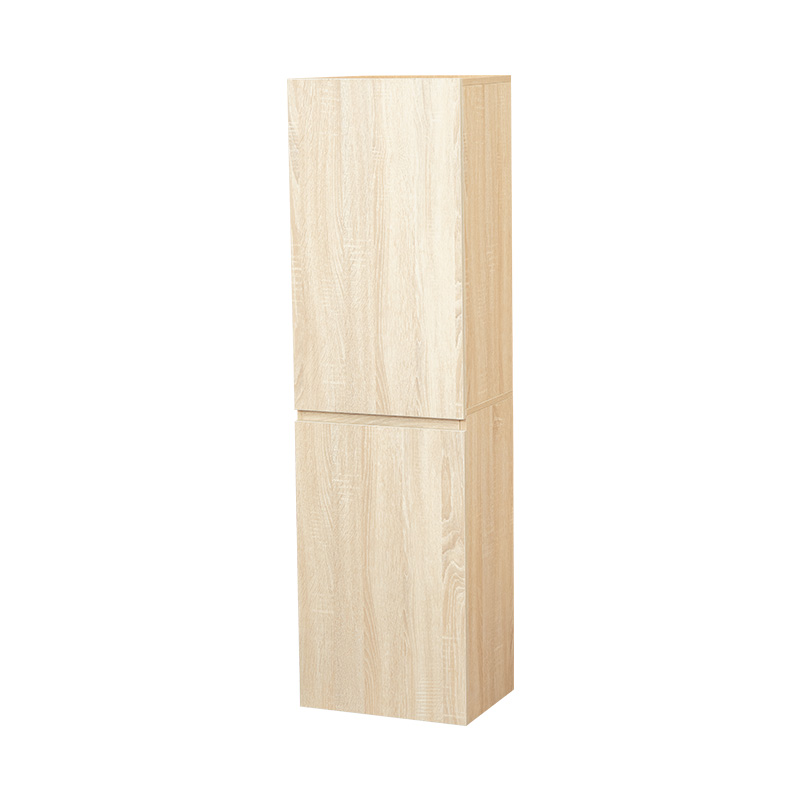
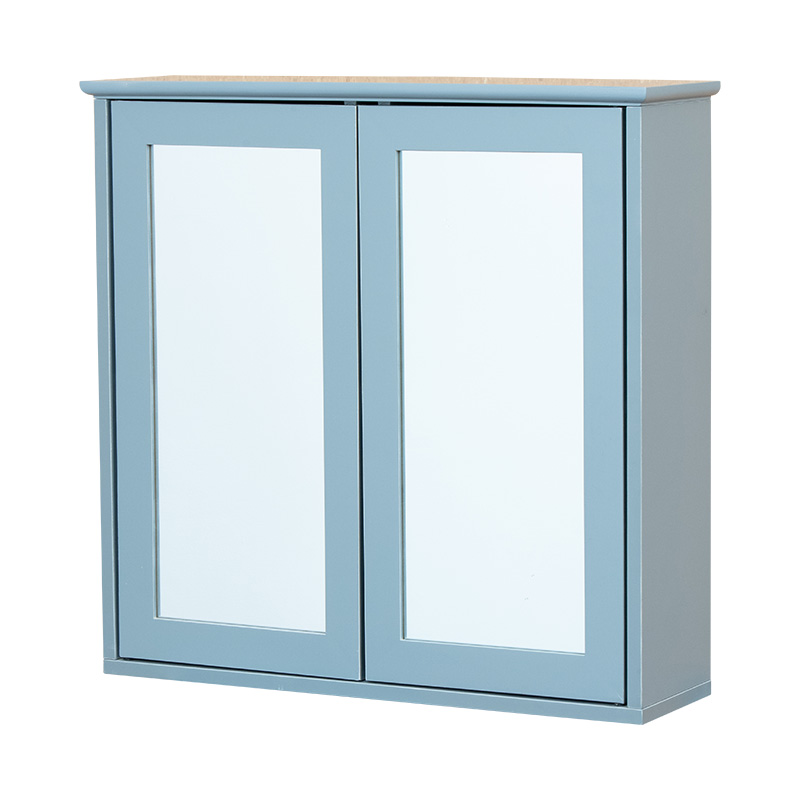
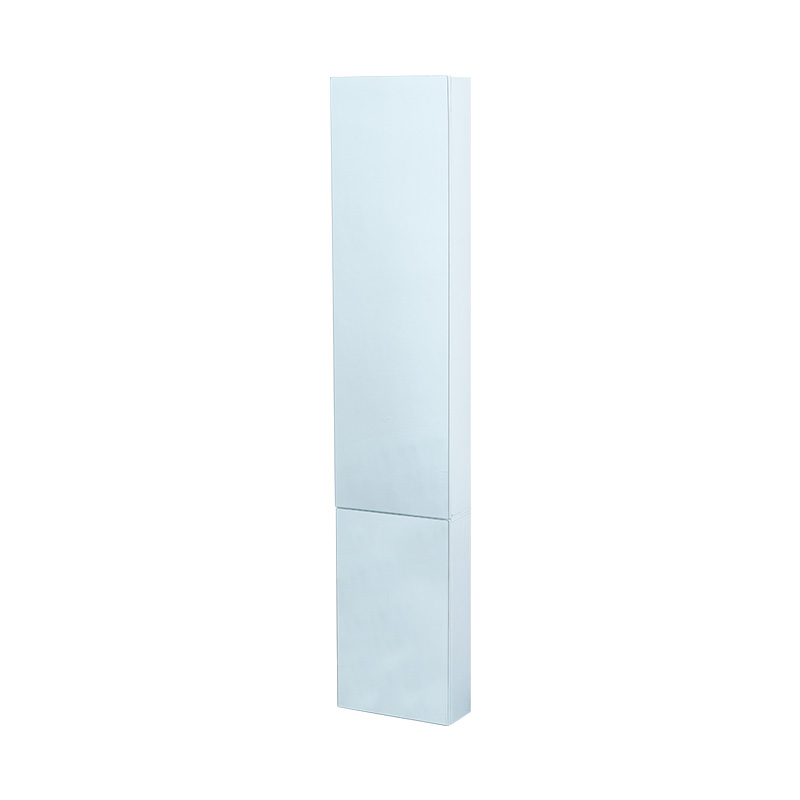
In offices, warehouses, garages, and homes, storage cabinets keep tools, documents, supplies, and personal items organized. A Storage Cabinet Manufacturer takes raw materials such as steel sheets, wood panels, and hardware components and turns them into finished products ready for installation. Instead of building each unit individually, these facilities use systematic production methods to produce consistent cabinets across different sizes and configurations.
A Storage Cabinet Manufacturer typically includes material storage areas, cutting and forming sections, welding or assembly stations, finishing lines, and packaging zones. Raw materials arrive at receiving docks and move through each production step before finished cabinets are packed for shipment.
Material Choices Based on Application
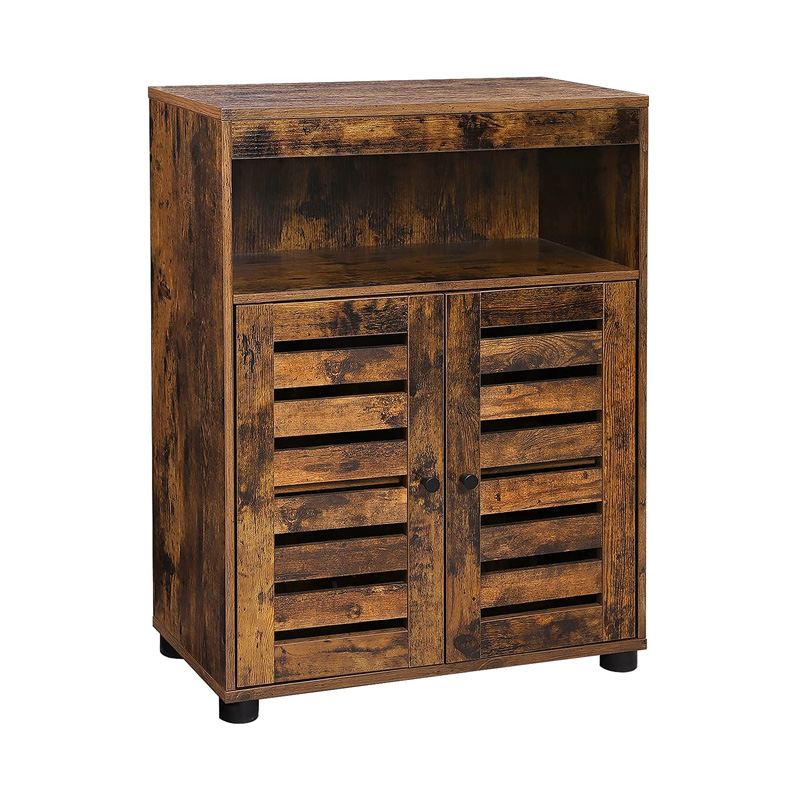
The materials used by a Storage Cabinet Manufacturer depend on the intended use of the final product. Steel cabinets are common in industrial and office settings where durability matters. Wood or engineered wood cabinets appear more often in residential and commercial spaces where appearance is important. Plastic cabinets are used in damp environments such as garages or pool areas.
Each material requires different production equipment. Steel needs shears, punches, and brake presses. Wood requires saws, edge banders, and drilling machines. Plastic uses injection molding or sheet forming. A Storage Cabinet Manufacturer typically specializes in one material type to keep equipment and processes focused.
Metal Cabinet Production
For a Storage Cabinet Manufacturer working with steel, the process begins with flat metal sheets. Sheets are loaded onto CNC punch presses or laser cutters. These machines cut flat blanks and punch holes for hinges, locks, and shelf clips. The cut parts then move to press brakes where they are bent into box shapes for cabinet bodies and door panels.
Welding stations join the bent panels at the corners. Spot welding is common for light and medium-duty cabinets. Seam welding is used for heavier products. Weld seams are ground smooth before moving to finishing. Hardware such as hinges, handles, and locking mechanisms is installed after finishing.
Wood Cabinet Production
A Storage Cabinet Manufacturer producing wood cabinets follows a different workflow. Panel products such as plywood or medium-density fiberboard are cut to size on panel saws or CNC routers. Edges receive banding to match or contrast with the face material. Drilling machines create holes for shelf pins, drawer slides, and assembly hardware.
Assembly for wood cabinets often uses dowels and cam locks for flat-pack products. Fully assembled wood cabinets may use glue and clamps during construction. Drawers are built separately and fitted with slides before being installed in the cabinet opening.
Finishing Methods
Surface finishing protects the cabinet and gives it a finished appearance. For metal cabinets, a Storage Cabinet Manufacturer typically uses powder coating. Parts hang on an overhead conveyor and pass through a spray booth where charged powder is applied. The conveyor then carries parts through a curing oven where the powder melts and forms a durable coating.
For wood cabinets, finishing involves sanding, staining, and clear coating. Some products use pre-finished panels that require no additional coating after cutting and assembly. Painted wood cabinets go through spray booths similar to metal but with different coating materials.
Common Product Types
A Storage Cabinet Manufacturer typically produces several standard configurations:
- Vertical filing cabinets for letter and legal-sized documents
- Lateral filing cabinets with wider drawers for larger storage needs
- Tool cabinets with multiple small drawers for hardware organization
- Locker-style cabinets for personal item storage in workplaces
- Wall-mounted cabinets for space-saving storage in garages or offices
Each type has specific dimensional standards. Filing cabinets must accommodate standard folder sizes. Tool cabinets need drawers that can hold weight without sagging. Locker cabinets require ventilation features in some applications.
Quality Checks During Production
Consistency matters in cabinet manufacturing because customers often buy multiple units that need to match. A Storage Cabinet Manufacturer typically has quality checks at several points:
- Incoming materials are inspected for thickness, flatness, and surface defects
- During cutting, part dimensions are verified against design specifications
- After finishing, coating thickness and color consistency are checked
- Assembled cabinets are tested for door alignment, drawer operation, and lock function
These checks help identify issues before products reach packaging. If a punching pattern is off, adjustments can be made to the CNC program before many parts are affected.
Packaging and Shipping
Finished cabinets from a Storage Cabinet Manufacturer move to packaging stations. Flat-pack products are wrapped in cardboard with foam or cardboard inserts. Fully assembled cabinets are wrapped in corner protectors and plastic film before being placed in heavy-duty cartons.
Labels include product codes, color or finish information, and assembly instructions where needed. Packed cartons are stacked on pallets and wrapped for shipment to retailers, office supply distributors, or direct customers.
A Practical Manufacturing Operation
From material cutting to final packaging, the Storage Cabinet Manufacturer organizes its production floor around efficient workflow and consistent quality. Its equipment choices, finishing methods, and assembly processes support steady output for commercial, industrial, and residential storage markets.


 中文简体
中文简体