Pets come in many sizes with different behavioral traits. A cage that works for a small bird may not hold a determined dog. A Pet Cage Factory addresses these differences by producing enclosures tailored to specific animal types. Instead of making a single universal design, these facilities create multiple product lines using materials matched to each application.
The materials chosen by a Pet Cage Factory depend on the animal and intended use. Steel wire is common for cages due to its strength and durability. The wire gauge varies by product. Thicker wire is used for large dog crates and parrot cages with strong beaks. Thinner wire appears in small animal carriers and temporary enclosures. Other materials include plastic for base trays and connectors, zinc or powder coatings to prevent rust, and metal clips or latches for door closures.
The main production step is wire processing. Coils of steel wire are fed into straightening and cutting machines. Cut wire pieces are then bent into specific shapes for cage panels. Welding stations assemble the bent wires into complete panels. A Pet Cage Factory uses specialized welding machines that apply current to multiple joints at once, creating consistent welds across the entire panel.
Surface Coating and Plastic Components
Cages are frequently cleaned and may be exposed to pet moisture or damp bedding. A Pet Cage Factory applies protective coatings to prevent rust. Powder coating is common. Panels hang on an overhead conveyor and pass through a spray booth where charged powder particles adhere to the metal. The conveyor then carries panels through a curing oven where the powder melts into a smooth, durable finish.
Many cages include plastic parts. A Pet Cage Factory typically produces these in-house. Base trays are often injection-molded to create a seamless pan with raised edges that contain bedding and waste. Corner connectors for modular cages are also molded. These parts snap or screw together to hold wire panels at right angles. For small animal cages, plastic ventilation covers and door frames appear on some models. The plastic components must be free of sharp edges and made from materials that animals cannot easily chew through.
Product Types and Assembly Methods
A Pet Cage Factory typically produces several categories of enclosures:
- Bird cages with narrow wire spacing and small doors for food access
- Small animal cages for hamsters, guinea pigs, and rabbits with solid floor trays
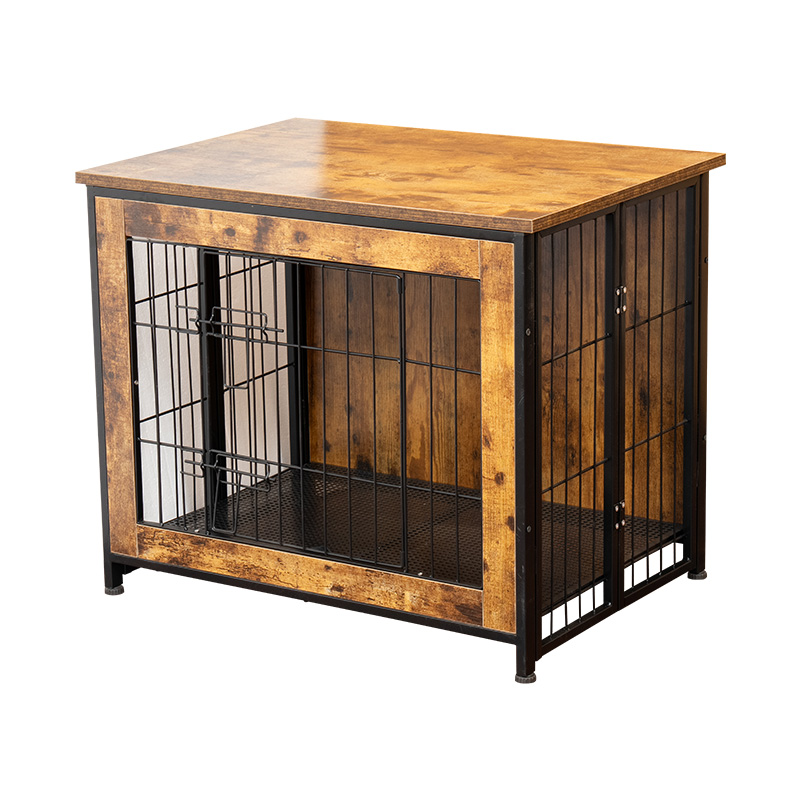
- Dog crates with folding designs for storage and travel
- Reptile enclosures with glass fronts and screened tops for ventilation
Each type has specific spacing requirements. Bird cages must have gaps small enough to prevent head entrapment. Small animal cages need floors that do not hurt sensitive feet. Reptile enclosures require ventilation without creating escape routes.
Some cages ship fully assembled, but use flat-pack designs. Wire panels are nested together to save shipping space. Plastic trays are packed separately. Hardware bags containing clips, screws, and instructions are taped inside the package. Assembly lines group the correct panels and components for each cage model. Workers check that all parts are present before sealing the carton.
Quality Checks for Animal Safety
Safety is a primary concern in pet cage manufacturing. A Pet Cage Factory typically has quality checks at several points:
- Wire spacing is measured on finished panels
- Weld strength is tested by applying pressure to sample joints
- Coating thickness is checked to ensure rust protection
- Edges are examined for sharp burrs that could injure animals
These checks help ensure that cages leaving the factory are safe for the intended animals. A missing weld or protruding wire end could cause injury. Inconsistent coating may cause early rust and cage failure. From wire coils to finished packaging, the Pet Cage Factory organizes its production around the specific needs of different animal types, supporting safe and durable enclosures for pet owners and retailers.


 中文简体
中文简体