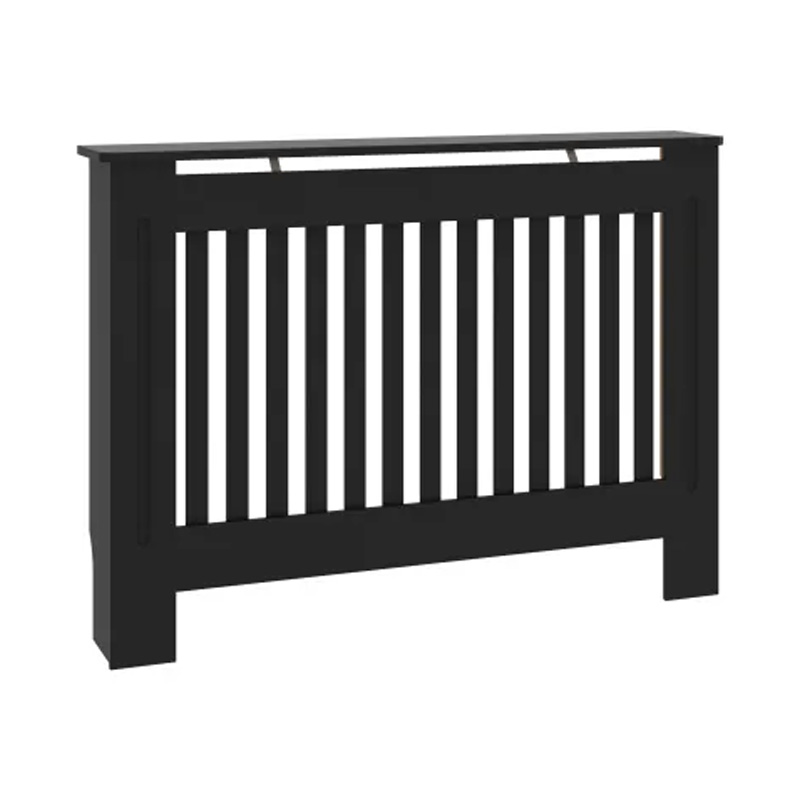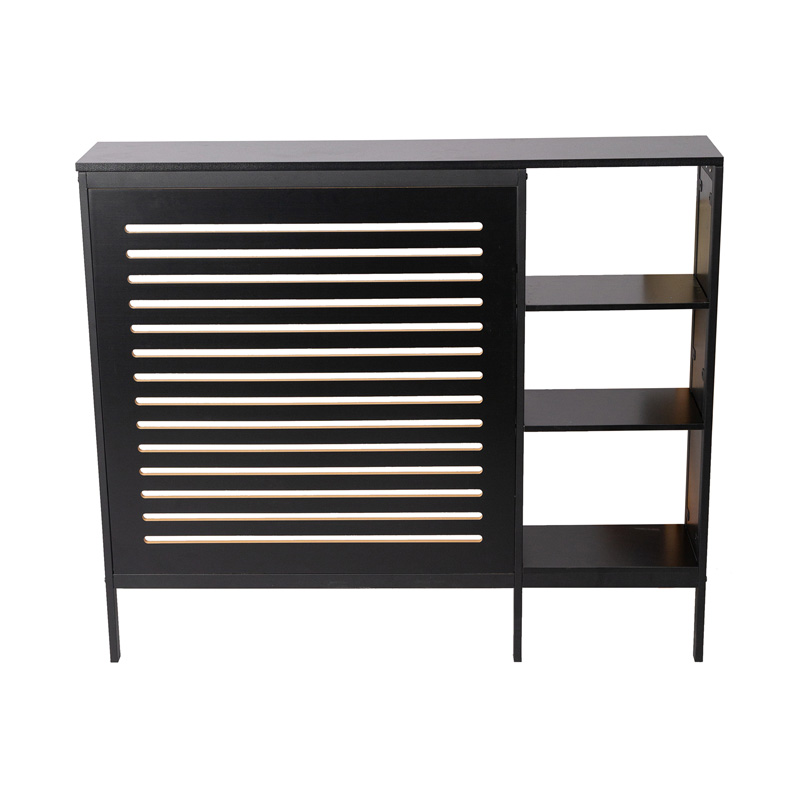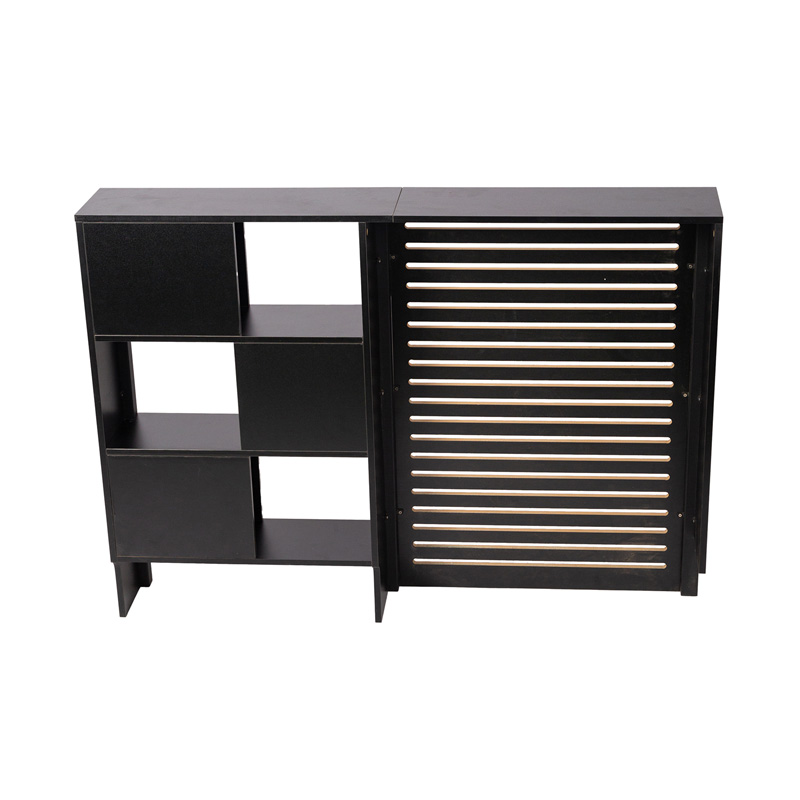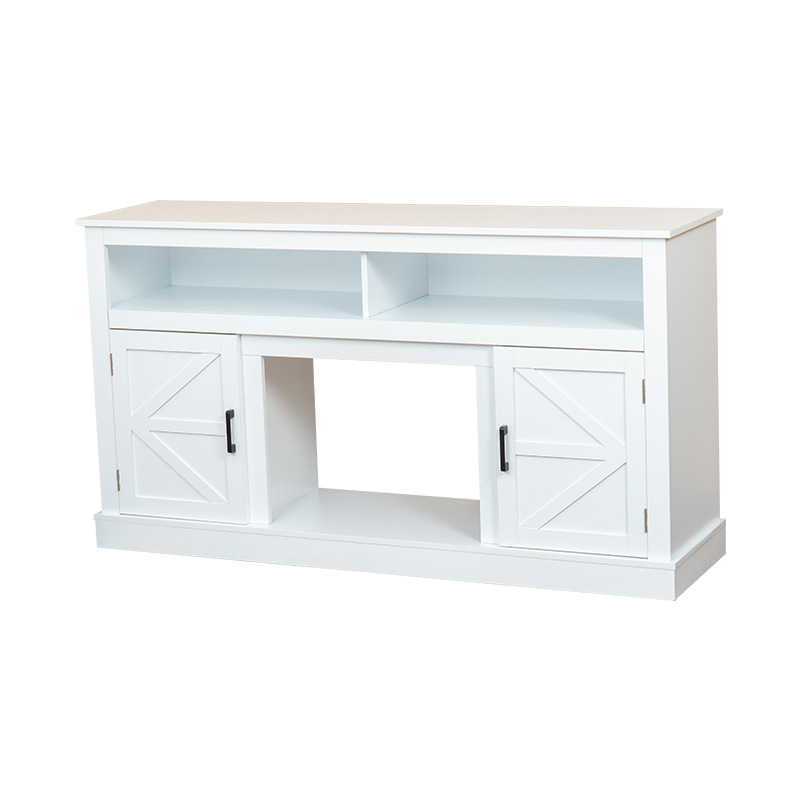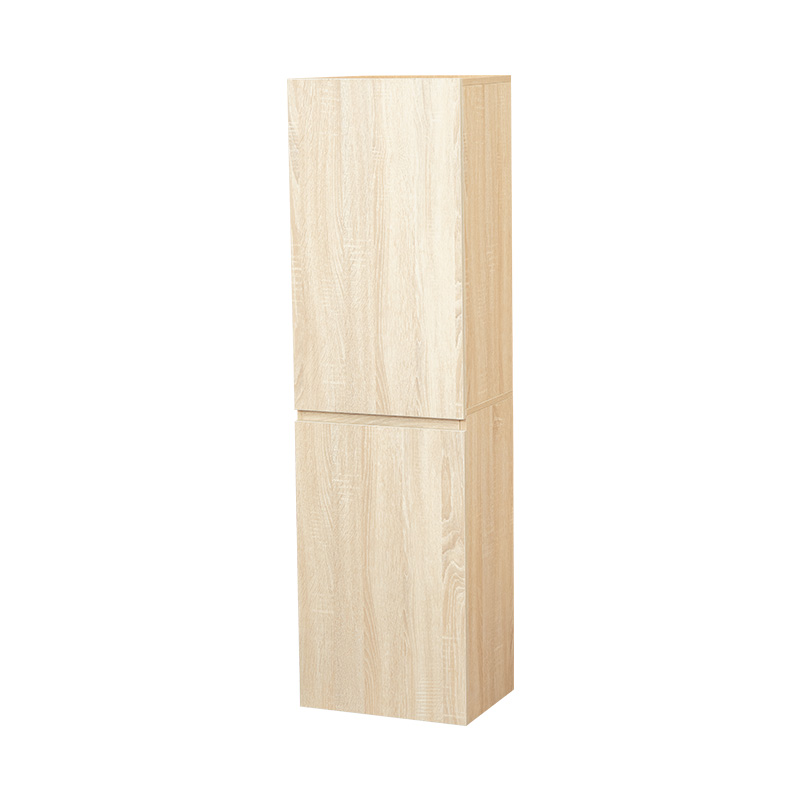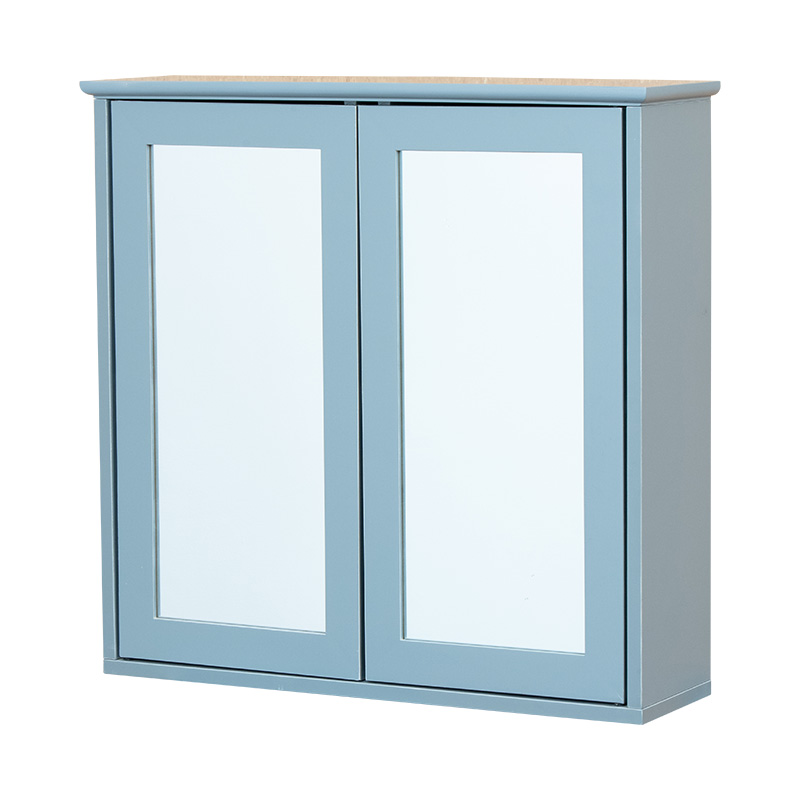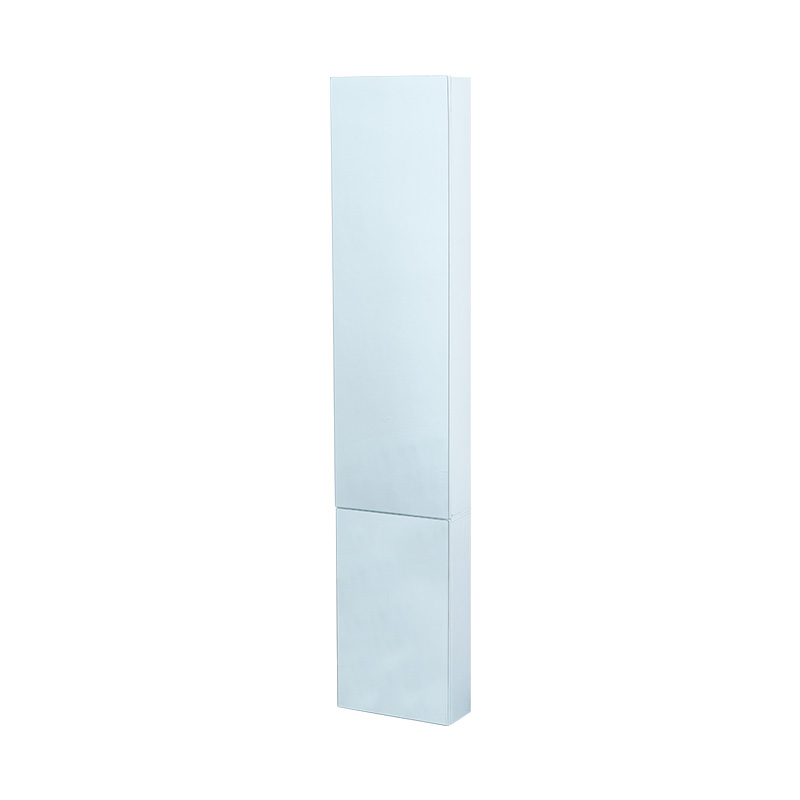
In the home furnishing industry, bathroom cabinets are more than simple storage units. They must handle moisture, frequent use, and changing design trends. A Bathroom Cabinet Factory focuses on balancing durability, appearance, and practical function. From raw material selection to final assembly, every step in the factory contributes to the overall quality of the product.
Material Selection and Preparation
The process begins with choosing suitable materials. Common options include MDF, plywood, solid wood, and metal components. Since bathroom environments involve humidity and temperature changes, materials must be treated to resist moisture and prevent deformation.
A Bathroom Cabinet Factory typically applies sealing layers, waterproof coatings, or laminates to improve durability. Boards are cut into panels, and edges are sealed carefully to avoid water penetration. Hardware such as hinges, drawer slides, and handles are also selected based on durability and compatibility with the cabinet design.
Production Workflow
The manufacturing process involves several coordinated steps. Panels are cut, drilled, and shaped using CNC machines or precision cutting tools. After shaping, surfaces are sanded and prepared for finishing processes such as painting, laminating, or veneering.
Assembly follows, where panels are joined together using screws, adhesives, or connectors. Doors, drawers, and internal compartments are installed with careful alignment. In a Bathroom Cabinet Factory, workers and automated equipment work together to ensure consistent dimensions and structural stability across all units.
Surface Finishing and Appearance
Surface treatment plays an important role in both protection and design. Cabinets may be painted, coated, or laminated depending on customer requirements. Finishes not only enhance appearance but also provide resistance against moisture, scratches, and daily wear.
Manufacturers often offer matte, glossy, or textured finishes. Color matching is carefully controlled so that each batch maintains visual consistency, which is important for large orders and brand identity.
Quality Control and Inspection
Quality checks are carried out at multiple stages of production. Measurements are verified to ensure proper fit, while assembly joints are inspected for strength and alignment. Doors and drawers are tested for smooth opening and closing.
A Bathroom Cabinet Factory may also conduct moisture resistance tests and load-bearing checks to confirm long-term usability. Finished cabinets are inspected for surface defects, color consistency, and structural integrity before packaging.
Customization and Client Collaboration
Different markets have varying preferences in size, color, and layout. A Bathroom Cabinet Factory often provides customization services, allowing clients to choose dimensions, materials, finishes, and internal configurations.
Some clients require compact cabinets for small spaces, while others prefer larger units with multiple storage sections. By adjusting production processes and design details, manufacturers can meet a wide range of requirements across residential and commercial projects.
Packaging and Logistics
After inspection, cabinets are carefully packed to prevent damage during transportation. Protective materials such as foam, corner guards, and cartons are used to secure each unit. Flat-pack designs are sometimes offered to reduce shipping volume and improve logistics efficiency.
Factories coordinate with logistics providers to ensure timely delivery, especially for bulk orders. Proper packaging and handling reduce the risk of damage and maintain product quality upon arrival.
From a manufacturing perspective, a Bathroom Cabinet Factory integrates material selection, precise production processes, surface finishing, and strict quality control to produce reliable cabinets. By offering customization and maintaining consistent standards, factories can supply products that meet different market needs. Careful planning in production and logistics ensures that each cabinet reaches the customer in good condition and performs reliably in everyday use.


 中文简体
中文简体