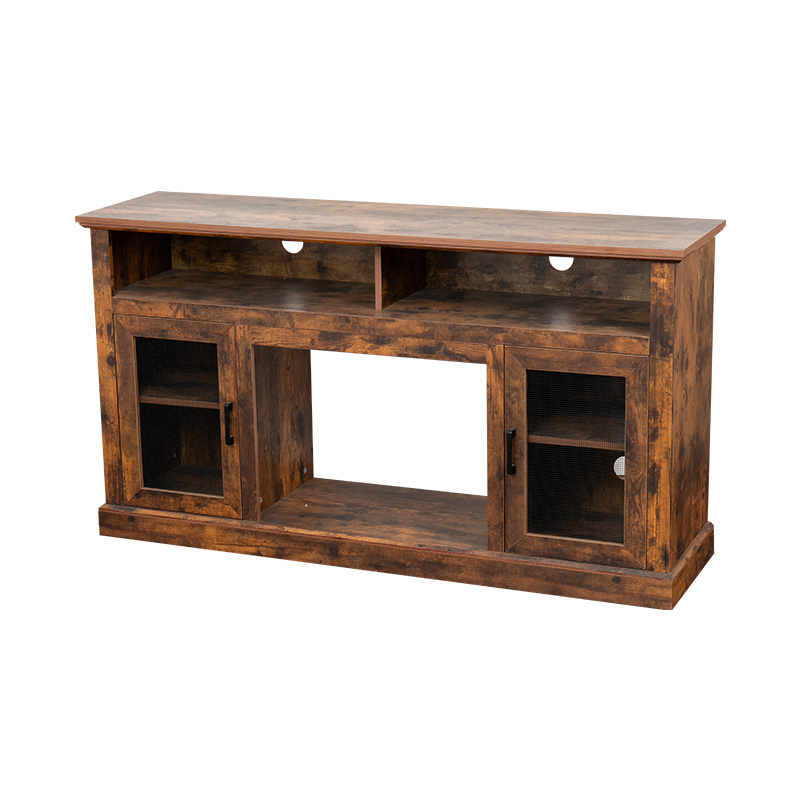
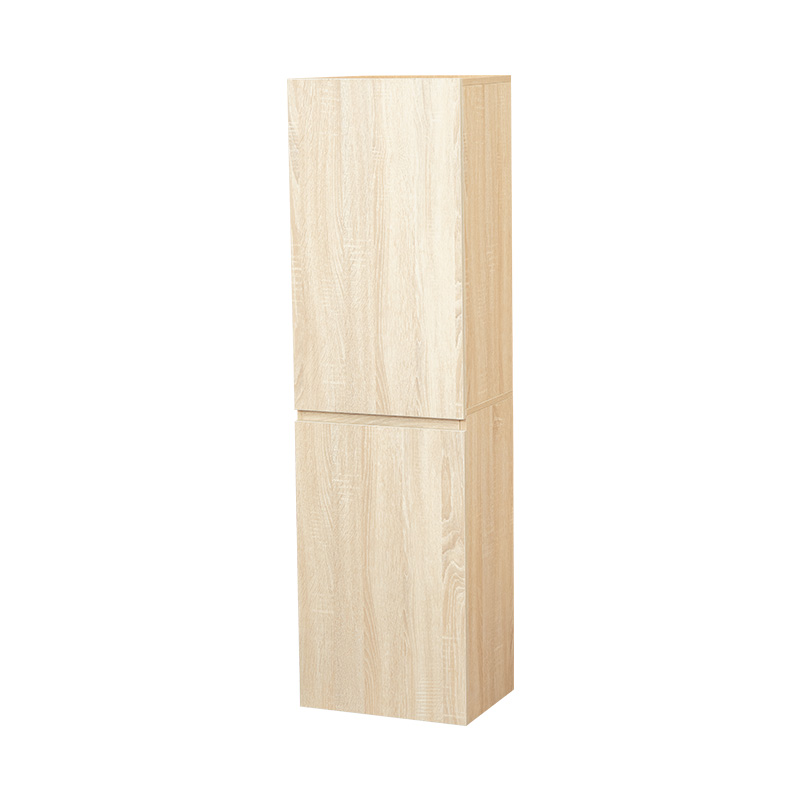
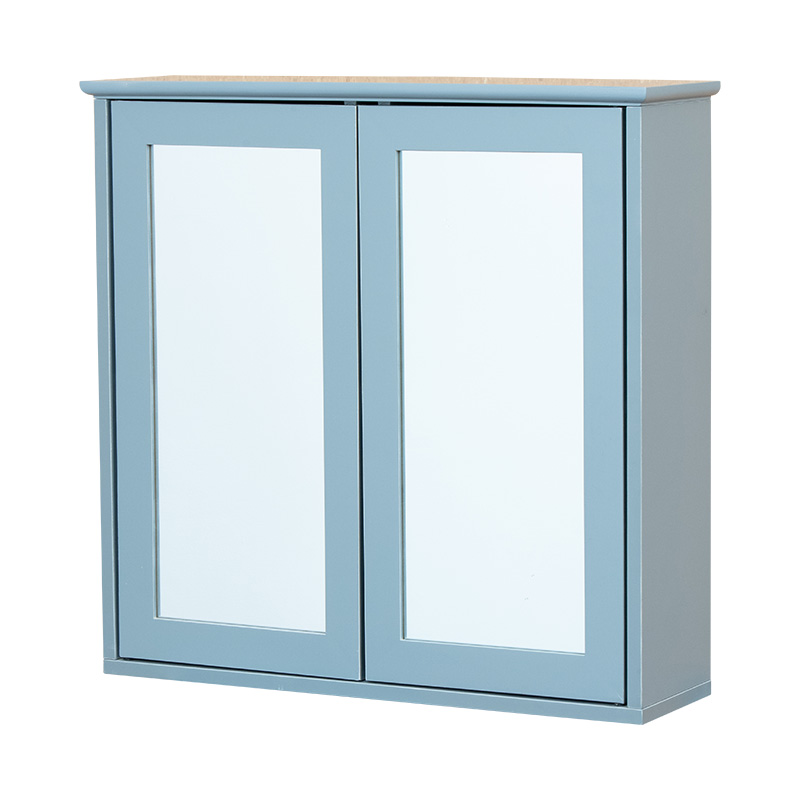
Shoe cabinets often look like a simple storage solution, but inside, conditions can change quickly. Shoes bring in humidity, dust, and traces of outdoor moisture. Over time, a closed space can hold more damp air than expected. That is where mold and unpleasant odor start to appear.
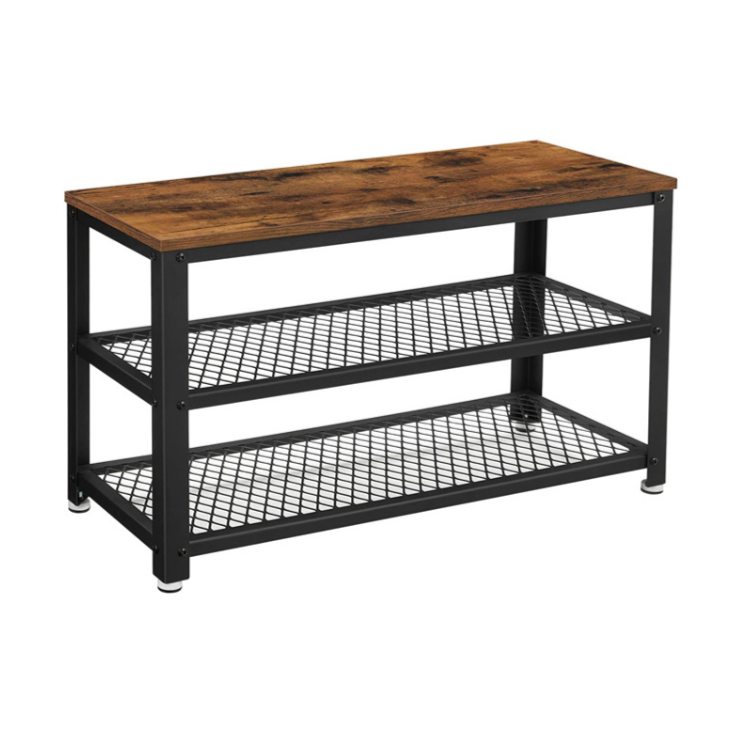
Moisture issues in shoe storage are not limited to one environment. Homes in dry regions still face it, especially when daily use brings repeated humidity inside. The problem builds quietly. A cabinet that looks clean on the outside may already be holding trapped moisture inside.
Why Does Moisture Build Up Inside a Shoe Cabinet?
Moisture inside a cabinet usually comes from everyday movement. Shoes carry water from outside surfaces, even when they feel dry. Small amounts of moisture slowly transfer into a closed space.
Air circulation is another factor. Many cabinets are designed to keep dust out, which also limits airflow. When air does not move freely, humidity stays inside longer than it should.
Temperature changes also influence internal conditions. Warm air trapped inside a closed cabinet can hold moisture differently than cooler air. When these conditions shift repeatedly, condensation can form on inner surfaces.
Dust and organic particles from shoes can add another layer of risk. When combined with moisture, they create an environment where mold can develop more easily.
How Does Daily Use Affect Cabinet Humidity Levels?
Every time shoes are placed inside a cabinet, they bring small environmental changes. Even brief outdoor exposure can introduce moisture. Rain, grass, or damp flooring all contribute.
Repeated use throughout the day increases accumulation. One pair of shoes may not cause noticeable change, but multiple pairs over time build up a different internal atmosphere.
Storage habits also play a role. Placing shoes immediately into a closed cabinet without allowing them to air can trap moisture inside. That moisture has no path to escape.
In shared households, usage frequency increases this effect. More entries and exits mean more moisture cycles inside the same space.
What Role Does Air Circulation Play in Preventing Mold?
Air movement is one of the simplest ways to reduce moisture buildup. When air circulates, humidity does not remain trapped in one area. It disperses more evenly and dries faster.
Closed shoe cabinets often limit this movement. That is why stagnant air becomes a common issue.
Even small openings or periodic ventilation can make a difference. Allowing air to pass through the cabinet occasionally helps reset internal conditions.
Some designs include natural gaps or spacing between compartments. These small design choices help air movement without fully exposing shoes to dust.
Airflow is not about speed. It is about consistency. Even minimal movement can reduce long-term dampness.
What Storage Habits Help Reduce Moisture Accumulation?
Daily habits often determine whether moisture becomes a problem or not. Small actions repeated over time have a larger impact than occasional deep cleaning.
Shoes should be allowed to dry before storage. Even a short period of exposure to open air helps reduce internal dampness.
Rotating shoe placement can also help. When the same area is used repeatedly without rest, moisture tends to concentrate in one section.
Avoid stacking wet or damp footwear together. When moisture sources are grouped, drying slows down.
A simple habit overview:
| Habit Area |
Action |
Effect |
| Shoe drying |
Air shoes before storage |
Reduces trapped moisture |
| Placement rotation |
Change storage position |
Balances humidity distribution |
| Entry control |
Avoid immediate closure |
Allows airflow before sealing |
| Separation |
Keep damp shoes apart |
Prevents moisture concentration |
These actions are not complex. They rely on timing and awareness rather than tools.
How Can Materials Influence Mold Prevention?
The surface inside a cabinet plays a quiet but important role. Some materials retain moisture longer, while others allow quicker drying.
Smooth, non-absorbent surfaces tend to hold less dampness. They are easier to clean and less likely to trap particles.
More absorbent surfaces can slowly hold moisture within layers. Over time, this creates hidden damp zones that are harder to notice.
Ventilation-friendly structures also matter. Even the arrangement of shelves can influence how air moves inside the cabinet.
Material choice is not only about appearance. It affects how the cabinet interacts with daily humidity cycles.
What Cleaning Practices Help Control Mold Growth?
Regular cleaning helps interrupt the conditions that support mold formation. Dust, residue, and moisture traces can accumulate quietly.
Dry cleaning methods are often used first. Removing loose particles helps prevent moisture from binding to surfaces.
Occasional deeper cleaning helps reset internal conditions. Focus is usually placed on corners and enclosed areas where air movement is limited.
After cleaning, allowing the cabinet to air out helps restore balance. Closing it immediately can trap remaining humidity inside.
Cleaning frequency depends on usage, but consistency matters more than intensity.
How Does Temperature Affect Shoe Cabinet Conditions?
Temperature changes influence how moisture behaves inside closed spaces. Warm air can hold more moisture, while cooler surfaces can encourage condensation.
When shoes are stored immediately after exposure to outdoor temperature shifts, internal balance is disrupted.
Seasonal changes also affect this pattern. Periods of higher humidity in the environment tend to increase internal moisture levels.
Even indoor heating or cooling systems can indirectly affect storage conditions. Air movement created by these systems may help or disrupt depending on cabinet placement.
Temperature is not a direct cause of mold, but it influences how moisture behaves inside confined spaces.
What Simple Tools Can Support Moisture Control?
Some households use basic tools to help manage internal humidity levels. These are not complex systems, but simple aids that support natural drying.
Absorbent materials placed inside cabinets can help reduce lingering moisture. They work slowly but continuously.
Small ventilation aids can improve airflow when cabinets are closed for long periods.
Spacers between shoes also help reduce direct contact, allowing air to move more freely.
These tools are most effective when combined with consistent habits rather than used alone.
How Should a Shoe Cabinet Be Positioned in a Room?
Location influences how moisture behaves. Cabinets placed in poorly ventilated corners tend to retain humidity longer.
Areas with natural air movement often support faster drying conditions. Even indirect airflow can help maintain balance.
Avoiding contact with damp walls or floors also reduces risk. Surfaces that hold moisture can transfer it slowly into storage units.
Sunlight exposure can influence conditions indirectly. While direct heat is not always required, natural light can help reduce stagnant air pockets.Positioning is often overlooked, but it plays a steady role in long-term storage quality.
Moisture and mold inside cabinets do not appear suddenly. They develop through repeated small conditions: trapped air, limited drying time, and steady humidity cycles. Each factor alone may seem minor, but together they shape the internal environment over time.


 中文简体
中文简体