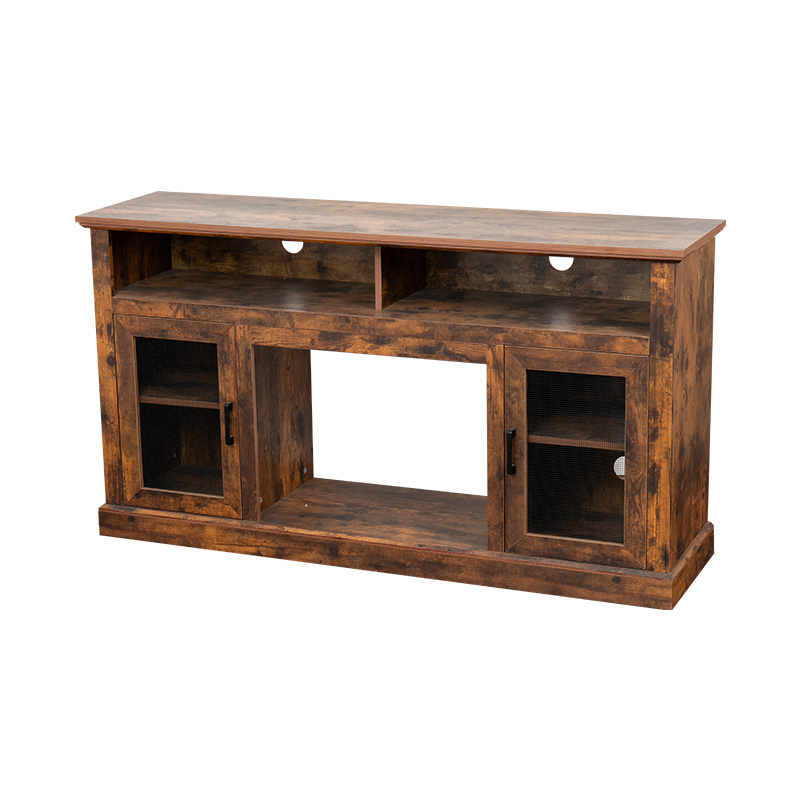
Coat Rack Factory is an important part of the home and commercial furniture supply chain. Their production is not limited to a single product style. Instead, they often cover a wide range of storage and hanging solutions used in homes, offices, hotels, and public spaces.
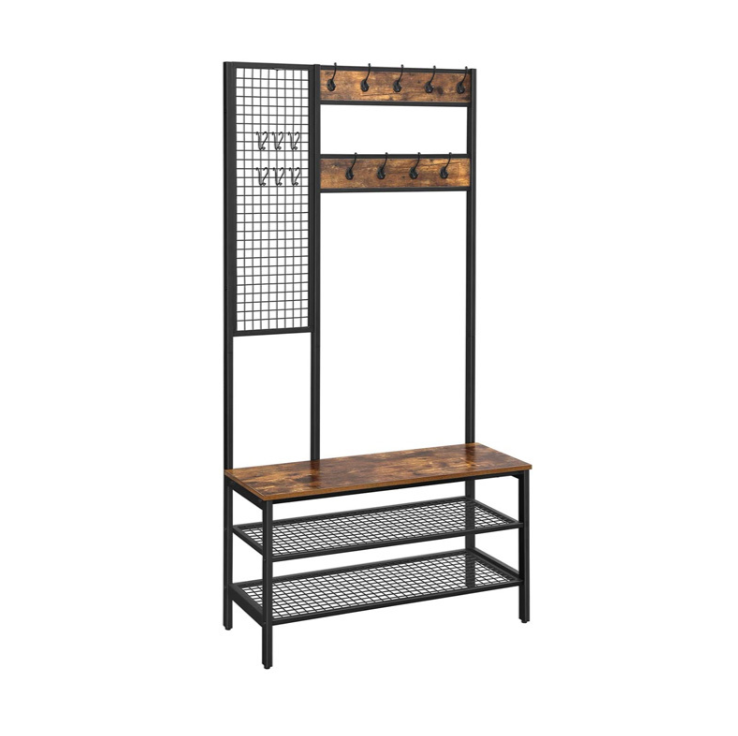
The demand for organized living spaces continues to grow. This has led coat rack factories to expand product categories and explore different functional and design directions.
What are the most common coat rack types?
Most coat rack factories produce a variety of basic models that serve everyday storage needs. These products are designed for simple hanging and space organization.
Common types include:
- Freestanding coat racks for entryways
- Wall-mounted coat racks for compact spaces
- Standing hanger racks used in bedrooms or offices
- Multi-hook storage racks for shared environments
Each type serves a slightly different purpose, depending on available space and usage habits.
How do entryway coat racks differ from indoor designs?
Entryway coat racks are usually designed for quick access. They are placed near doors and used for coats, bags, and everyday items.
Indoor designs often focus more on space optimization and visual integration with furniture. They may combine storage hooks with shelves or small organizational features.
Factories often adjust structure and layout depending on where the product will be used. The goal is to balance convenience and space efficiency.
What materials are commonly used in production?
Coat rack factories typically work with different material categories to meet various market needs. Material selection affects both appearance and durability.
Common materials include:
- Metal for strong structural support
- Wood for natural visual style
- Plastic for lightweight and cost-focused designs
- Mixed materials for combined strength and appearance
Different materials also influence how the product feels in daily use and how it fits into interior spaces.
Do factories produce multifunctional coat racks?
Yes, many coat rack factories now produce multifunctional designs. These products combine hanging features with additional storage functions.
Examples include:
- Coat racks with built-in shelves
- Designs with shoe storage space underneath
- Hooks combined with small display areas
- Foldable or adjustable structures for flexible use
This direction reflects changing living spaces, where storage needs are becoming more integrated.
How do commercial and residential products differ?
Factories often separate production lines based on usage environments.
Residential coat racks usually focus on home comfort and space blending. They tend to have softer visual styles and smaller structures suitable for personal use.
Commercial versions are designed for higher usage frequency. They are often found in offices, hotels, schools, or public areas where durability and capacity are more important.
The difference is not only in size, but also in structural strength and long-term usage expectations.
What role does design play in factory production?
Design has become a key factor in coat rack manufacturing. It is no longer just about function, but also about how the product fits into modern interiors.
Factories often explore:
- Minimalist structures for simple spaces
- Decorative styles for home environments
- Modular designs that allow flexible arrangement
- Space-saving concepts for smaller rooms
Design decisions influence both production methods and final product categories.
Are customized coat racks commonly produced?
Many coat rack factories support customization based on market demand. This allows clients to adjust structure, size, material combination, and surface style.
Customization may include:
- Hook arrangement and quantity
- Frame shape and structure style
- Material pairing choices
- Surface finish and color variation
This flexibility helps products match different regional preferences and usage scenarios.
How do factories handle product variation?
Coat rack production often involves multiple product lines running at the same time. Factories organize production in a way that allows different styles to be manufactured efficiently.
A simplified overview of product variation may look like this:
| Product Category |
Main Use Scenario |
Key Feature Focus |
| Freestanding racks |
Home entrances and rooms |
Stability and capacity |
| Wall-mounted racks |
Small or narrow spaces |
Space-saving design |
| Commercial racks |
Offices and public areas |
Durability and load handling |
| Multifunctional racks |
Modern living spaces |
Combined storage functions |
This structure helps factories manage different customer needs without limiting product diversity.
Why do coat rack factories expand product ranges?
As living environments change, storage needs also change. People expect furniture to be more flexible and space-efficient.
Coat rack factories respond by expanding product lines rather than focusing on a single style. This allows them to meet different usage habits and design preferences across markets.
At the same time, competition in the furniture industry encourages continuous product variation and design exploration.
How do production methods affect product types?
Production methods influence what kinds of coat racks can be made. Some designs require simpler assembly, while others involve more detailed structural work.
Factories often adjust production processes based on:
- Material type
- Structural complexity
- Intended usage environment
- Market demand level
This flexibility allows different product categories to be produced under the same factory system.
What direction is coat rack manufacturing moving toward?
Coat rack production continues to evolve alongside lifestyle changes. More attention is being placed on space efficiency, modular design, and adaptable structures.
Factories are increasingly exploring products that combine storage functions with visual design elements. This reflects a broader shift in furniture manufacturing toward practical yet flexible living solutions.
The product range is likely to continue expanding as user needs become more diverse and space usage becomes more optimized.


 中文简体
中文简体