A computer desk often looks like a simple item in a room. A flat surface, a frame, and space for a laptop or monitor. In real daily life, it becomes more than that. It turns into a place for work, study, planning, and sometimes even short breaks between tasks.
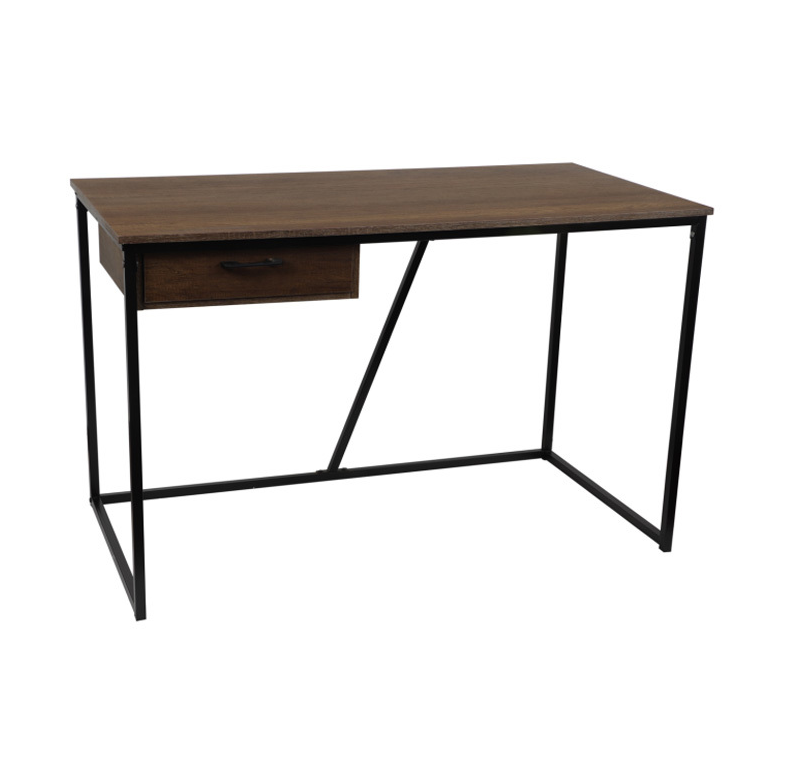
What makes a desk practical is rarely about appearance alone. It is more about how it behaves during repeated use, and how little friction it creates in everyday routines.
Why does layout matter more than appearance?
A desk can look clean and modern, but still feel uncomfortable to use if the layout is not well thought out.
In daily work, people need space to move their hands, shift items, and switch between tasks without feeling blocked.
When the layout is too tight, even small actions feel restricted. When it is too loose, items start spreading without control.
A practical setup usually sits in the middle. Clear enough to stay organized, open enough to feel natural.
How does surface space change daily working habits?
The tabletop is where most actions happen. Writing, typing, reading, or placing devices all happen here.
A useful surface is not only about size, but also about how space is divided mentally during use.
1. A clear central working area
Most daily tasks tend to happen in one main zone. Keeping this area open helps reduce distraction.
When this space stays clear, it becomes easier to focus without constantly rearranging items.
2. Extra space for small movements
Around the main area, a bit of free space allows natural movement. Hands can rest, items can be adjusted, and tools can be moved without effort.
Without this buffer, the desk can feel crowded even if it is not fully filled.
What role does storage play in everyday use?
Storage changes how a desk feels over time.
Without storage, items slowly build up on the surface. The working area becomes smaller, even if the desk size stays the same.
With storage, items can be separated by how often they are used.
A simple way people often organize:
- Daily items stay within easy reach
- Occasional items are placed in drawers or compartments
- Rare items are kept out of sight
This kind of separation keeps the surface calmer and easier to use.
Why does cable arrangement matter so much now?
Modern desks usually support multiple devices. Computers, chargers, lamps, and other tools often stay connected at the same time.
Without structure, cables can spread in different directions and create visual clutter.
Good desk design quietly considers cable paths so they do not interfere with daily movement.
When cables stay in place, cleaning becomes easier and the workspace feels less messy.
It is a small detail, but it changes the overall feeling of order.
How does height affect long-term comfort?
Most people don't notice if a desk is the wrong height at first. The discomfort only builds slowly after long hours of sitting day after day. You may feel fine for the first hour or two, but after weeks of regular use, the strain becomes really obvious.
If your desk is slightly too high, you end up lifting your arms and tensing your shoulders when typing or writing. Over time, that tightness spreads to your neck and upper back. If it's too low, you hunch forward to see your screen or notes, putting constant pressure on your spine and eyes. These small bad postures add up and leave you feeling stiff and sore long‑term.
A properly sized desk lets you sit naturally with relaxed shoulders. Your arms rest comfortably, elbows at a relaxed angle, with no need to keep shifting your body to work. Even a small adjustment to the height can make working for hours far less tiring and uncomfortable.
Why is stability important even for light tasks?
Many people assume desk stability only matters for heavy loads like large monitors or piles of books. But even everyday light work really depends on a steady surface.
When you type, write or simply rest your hands on the desk, small movements happen constantly. Even a tiny wobble each time can pull your attention away from your work. It may not bother you at first, but after hours of continuous use, those little shifts become really distracting.
A stable desk feels solid every time you touch or lean on it. It doesn't rock or creak no matter how often you use it. That sense of reliability keeps your focus on your work instead of the desk itself. This matters most during long working periods, where small unstable movements slowly wear on your concentration.
How do materials influence everyday experience?
Different materials create different feelings during use, not only in appearance but also in touch and behavior.
| Material type |
Daily behavior |
User impression |
| Wood-based surfaces |
Warm and steady |
Comfortable for long use |
| Metal structure |
Firm support |
Strong sense of stability |
| Composite surfaces |
Balanced use |
Flexible for different spaces |
| Mixed materials |
Combined feel |
Adaptable to many interiors |
Material choice affects how the desk ages, how it feels to touch, and how it fits into a room.
Why does surface finish change usability?
Finish is often overlooked, but it influences daily interaction.
A smooth surface feels easy to clean but may reflect more light. A matte surface feels softer visually but may show different patterns of use. Slight texture can improve grip but change touch feeling.
Practical designs usually avoid extremes and aim for a middle ground that feels comfortable in everyday use.
How does flexibility support different routines?
A desk is rarely used for one single purpose all day.
It might support work in the morning, study in the afternoon, and casual use later.
Flexibility helps the same surface adapt without needing major changes.
This can include simple adjustments in layout or small multi-use areas that support different tasks.
Flexibility does not need complex design. Often, it is about allowing the desk to stay useful in different situations.
How does organization affect daily workflow?
A well-organized desk reduces small interruptions.
When items have a clear place, less time is spent searching or rearranging during tasks.
Over time, this creates a smoother rhythm of work. The desk supports actions instead of slowing them down.
Organization is not only about storage. It is also about how naturally the space guides behavior.
What makes a computer desk feel easy to use every day?
A practical desk is not defined by one feature alone.
It is a combination of small decisions working together. Surface layout, storage, stability, material choice, and simple structure all play a part.
When these elements are balanced, the desk becomes quiet in daily use. It does not draw attention to itself. It simply supports tasks in a steady way, which is often what people notice most over time.


 中文简体
中文简体