Old houses have charm. They also have big, ugly radiators. A pure wooden radiator cover solves that problem. It hides the metal, adds a shelf, and lets the heat through. More homeowners are choosing them over MDF alternatives.
What It Actually Does
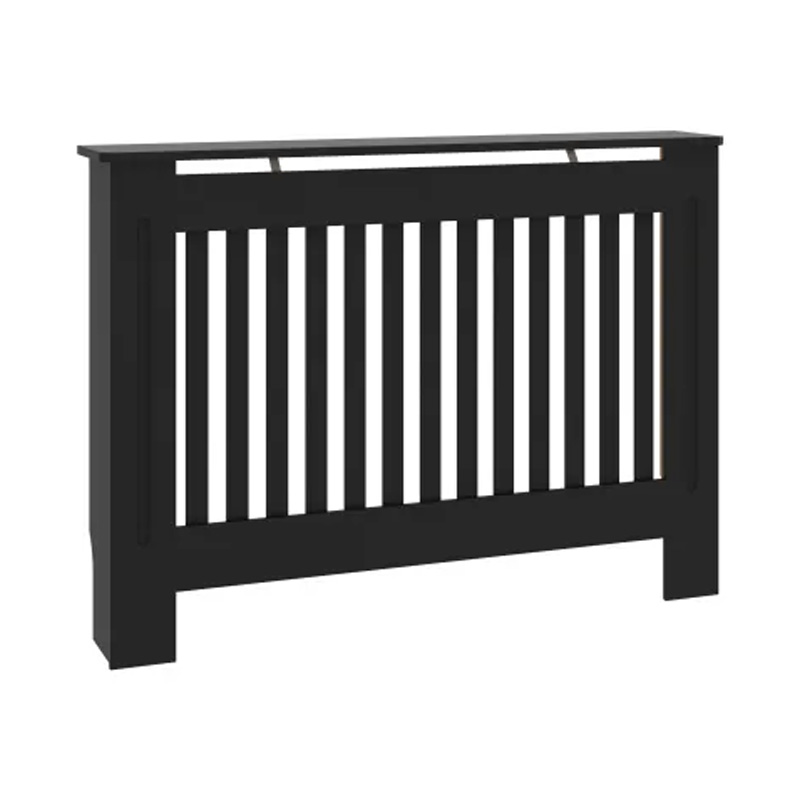
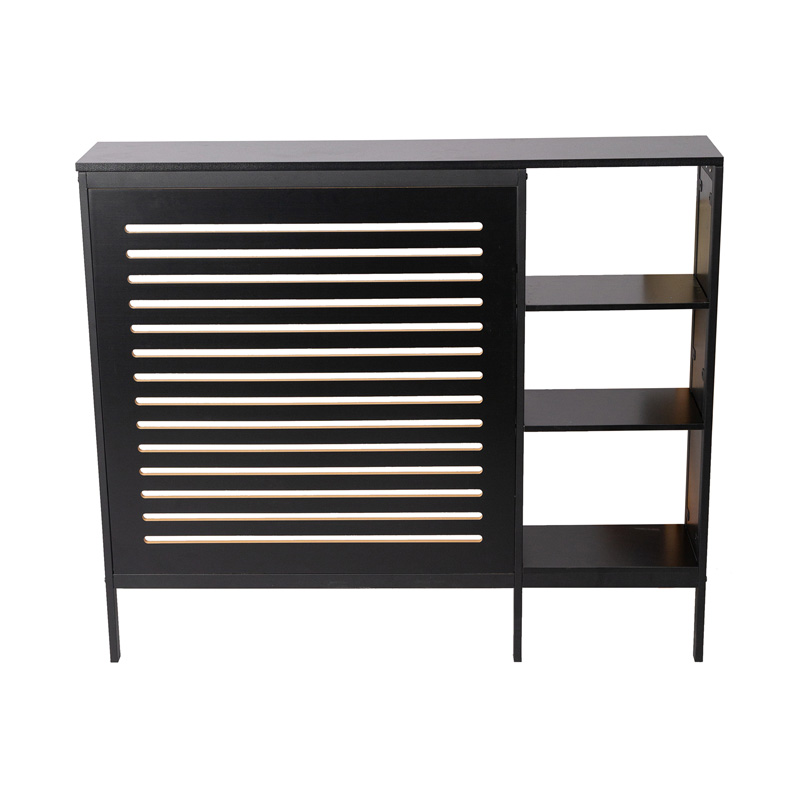
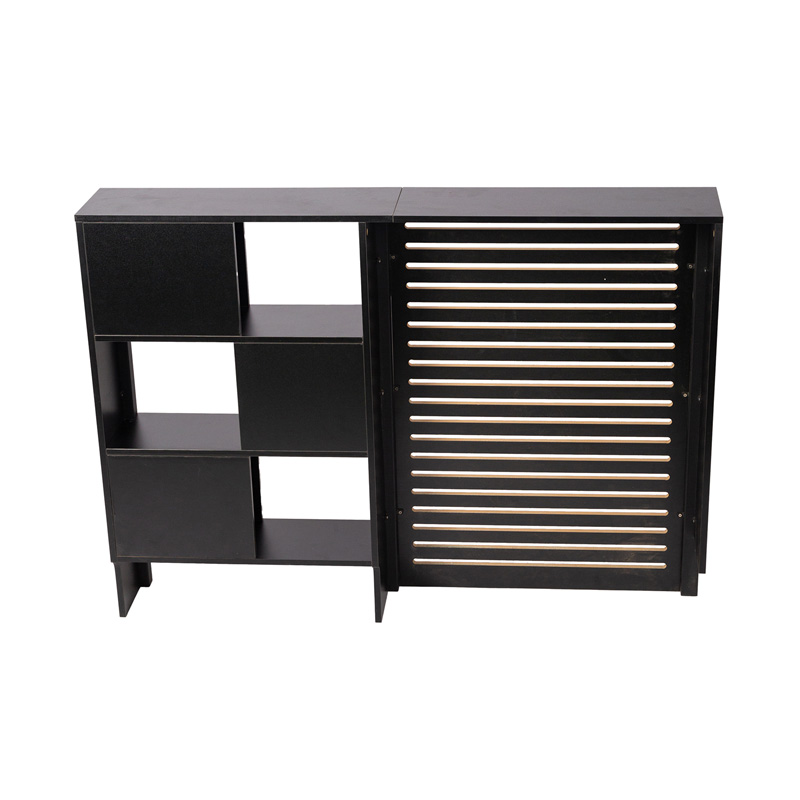
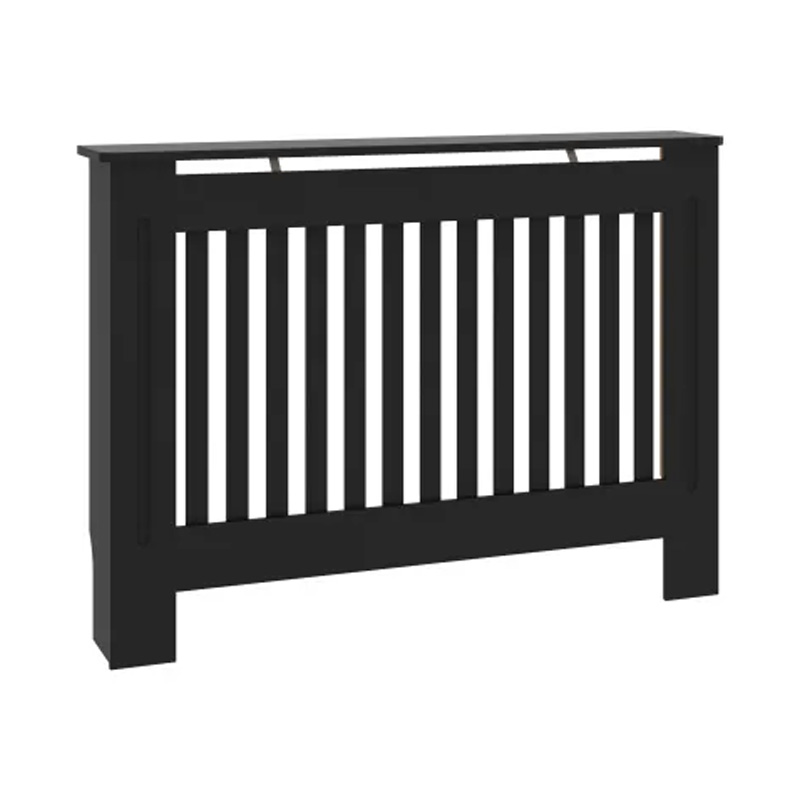
A pure wooden radiator cover sits over the radiator. It has slats or a grille on the front. Warm air rises through the top opening. The cover does not trap heat if built right. It protects children from touching hot surfaces. It keeps pets safe. It hides peeling paint and dusty fins.
The flat top becomes a shelf. People put plants, books, or lamps on it. The wood gets warm, not hot. Items stay safe if the cover has proper clearance.
Why Solid Wood Matters
Many radiator covers on the market use MDF with a thin veneer. They look like wood at first glance. They cost less. But MDF does not handle heat cycles well. The core is glue and sawdust. When heated repeatedly, it can warp. It can off-gas. In damp rooms, it swells.
A pure wooden radiator cover uses solid timber: pine, oak, poplar, or maple. No composite core. No synthetic binders. The wood expands and contracts naturally with temperature changes. Proper joinery lets it move without cracking. Dowels and mortise-and-tenon joints hold better than screws alone in this application.
Finish and Durability
The finish matters more than people think. A standard paint peels on a hot surface. A pure wooden radiator cover needs a heat-tolerant coating. Water-based lacquers work. Hard wax oils work. Microporous paints let moisture escape. The finish seals the grain against dry heat from standard radiators and steam from older systems.
Solid wood can be refinished. If the paint chips, you sand it down. If you change the room color, you repaint the cover. MDF covers go to landfill when they wear out. Wood covers get refreshed.
What to Look For
Here is what makes a good pure wooden radiator cover:
- Solid timber throughout, no MDF or particle board
- Proper internal clearance for airflow on all sides
- Front panel with generous open area for convection
- Heat-tolerant finish that does not peel or off-gas
- Removable top or access panel for valve maintenance
- Wall anchor brackets to prevent tipping
Sizing and Airflow
Radiators are not standard sizes. A cover must be made to measure. You measure the radiator width, height, and depth. You add clearance for pipes and valves. A pure wooden radiator cover needs a gap of at least a couple of inches between the radiator and the inside walls. This gap lets air circulate.
The front panel design affects heating performance. Angled slats push warm air forward. A cane webbing panel looks good but restricts less airflow than tight slats. Whatever the style, the front open area should be generous. A cover that looks airy works better than one that looks solid.
Cost and Value
A pure wooden radiator cover costs more upfront than an MDF version. The material is more expensive. The joinery takes more labor. Custom sizing adds to the price. But the cover lasts decades. It does not warp in the first winter. It does not emit odors when the radiator runs hot. It holds its value because it is furniture, not a disposable wrap.
Cheap covers fail quietly. The joints open up. The veneer peels. The cover starts rattling against the radiator when the heat comes on. That noise tells you the material has moved and is not moving back.
Installation Notes
Many covers are freestanding but should be anchored. A bracket to the wall stops tipping. The cover needs a removable section for access to the thermostat and bleed valve. If the top does not lift off, maintenance becomes a chore. Small details make a difference:
- Open back panel for unrestricted airflow
- Space at the bottom for cool air intake
- Stable base that sits flat on uneven floors
- Soft pads where the cover contacts the floor or wall
Where They Work Outstanding
Living rooms and bedrooms are the obvious places. A pure wooden radiator cover fits well in hallways where the radiator is the first thing guests see. Bathroom installations need extra care because of moisture. The timber must be properly sealed and stable in humidity. Oak and teak handle damp conditions better than pine.
Period properties benefit most. Original cast-iron radiators have character but look harsh against light-colored walls. A wooden cover softens the look without hiding the heat source entirely. The radiator still works; the room still warms up. The view just improves.
What to Check Before Ordering
Ask what wood the maker uses. If the answer is "engineered wood" or "wood product," it is not solid. Ask about the joinery method. Ask about the finish and its heat rating. Ask if the cover includes an access panel. Check the front open area percentage. A good maker answers these questions plainly. A vague response usually means corners are cut.
A pure wooden radiator cover is straightforward. Solid wood, built to size, with room for air to move. That is the whole idea. It turns a necessary appliance into something worth looking at.


 中文简体
中文简体