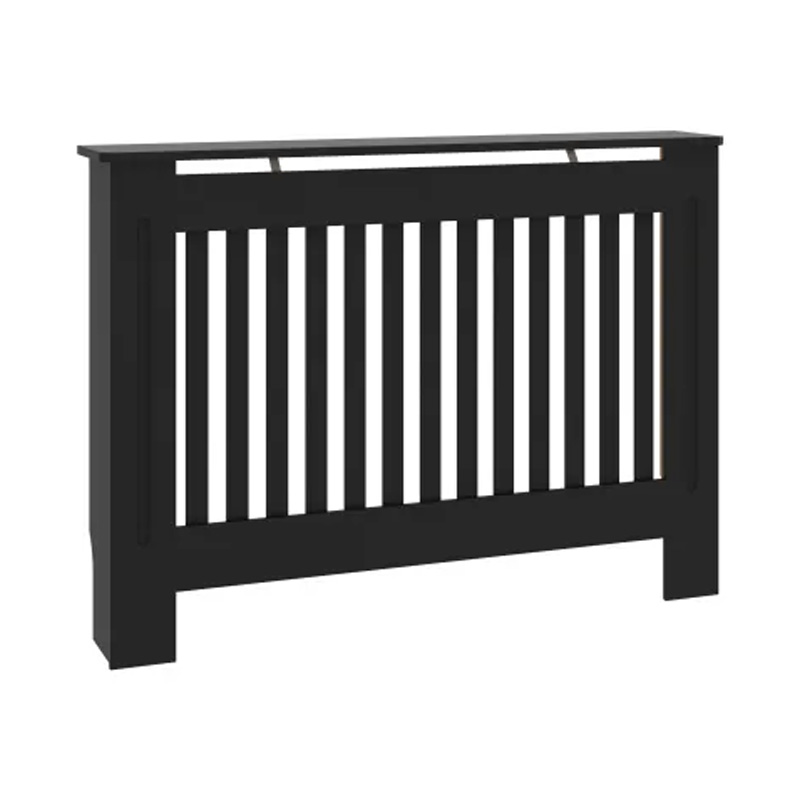
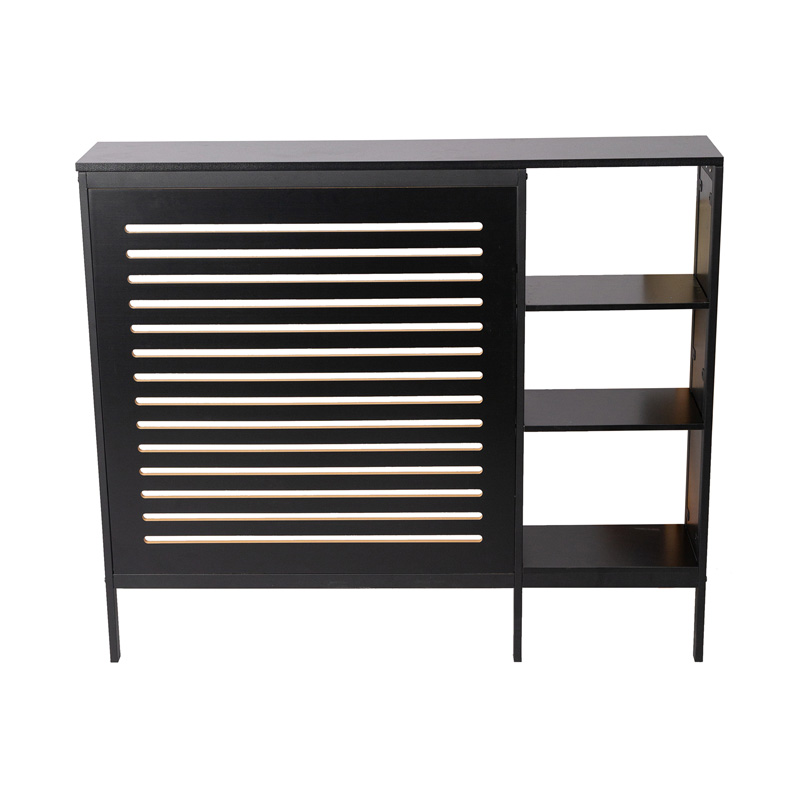
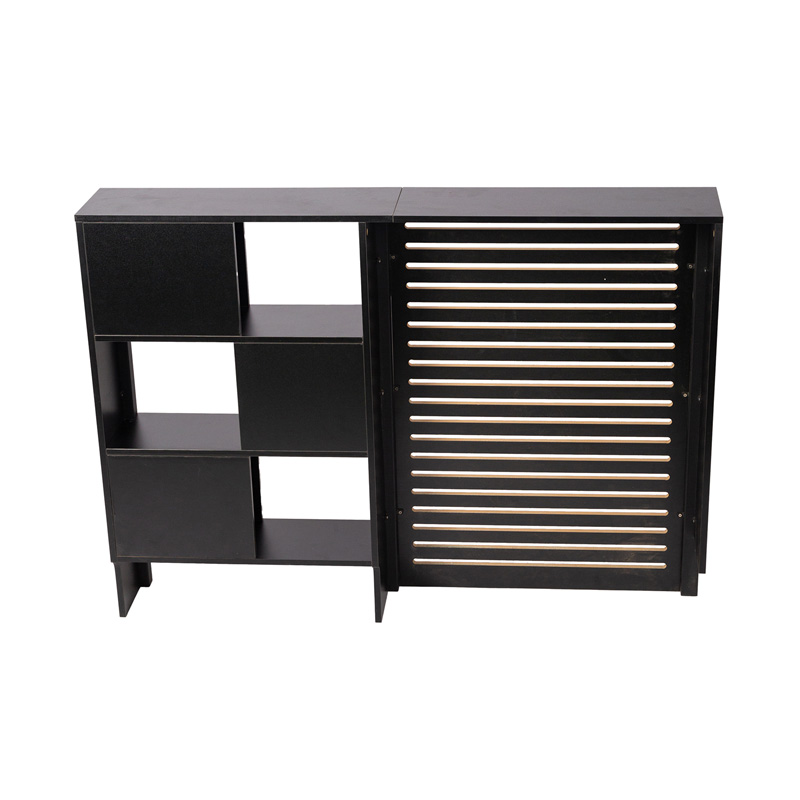
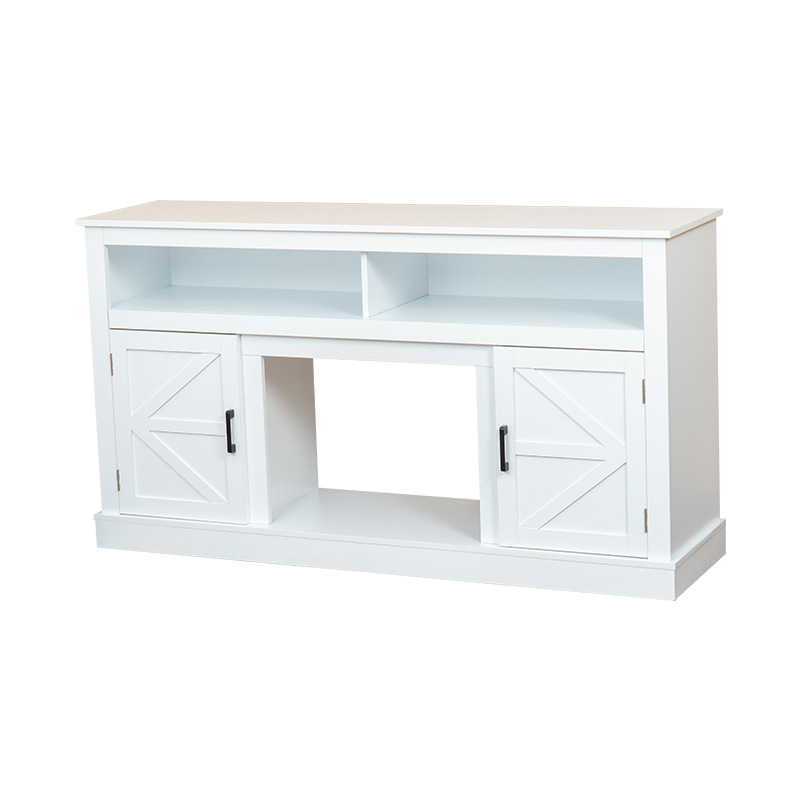
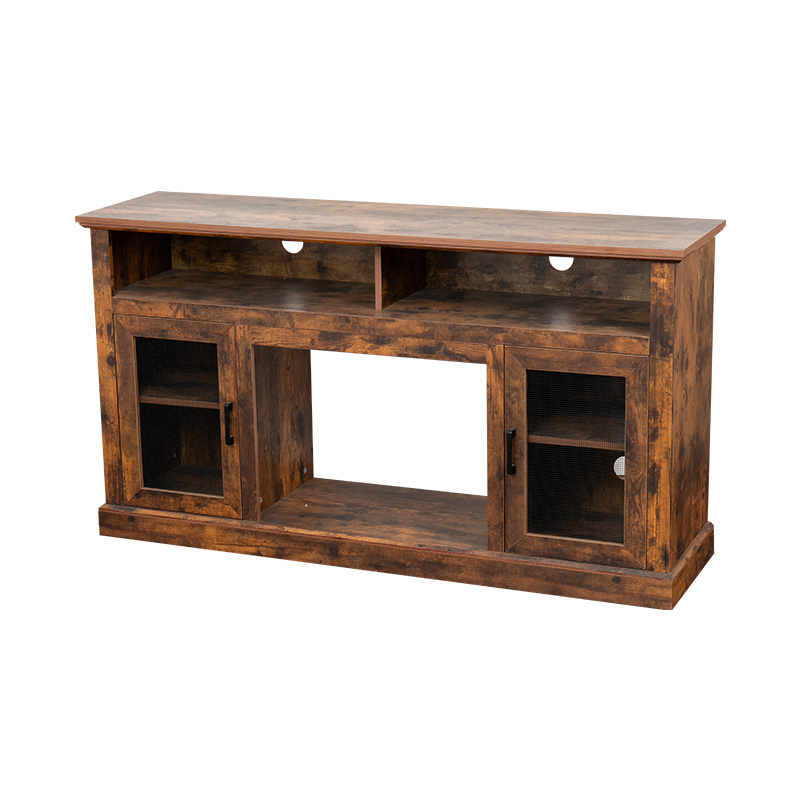
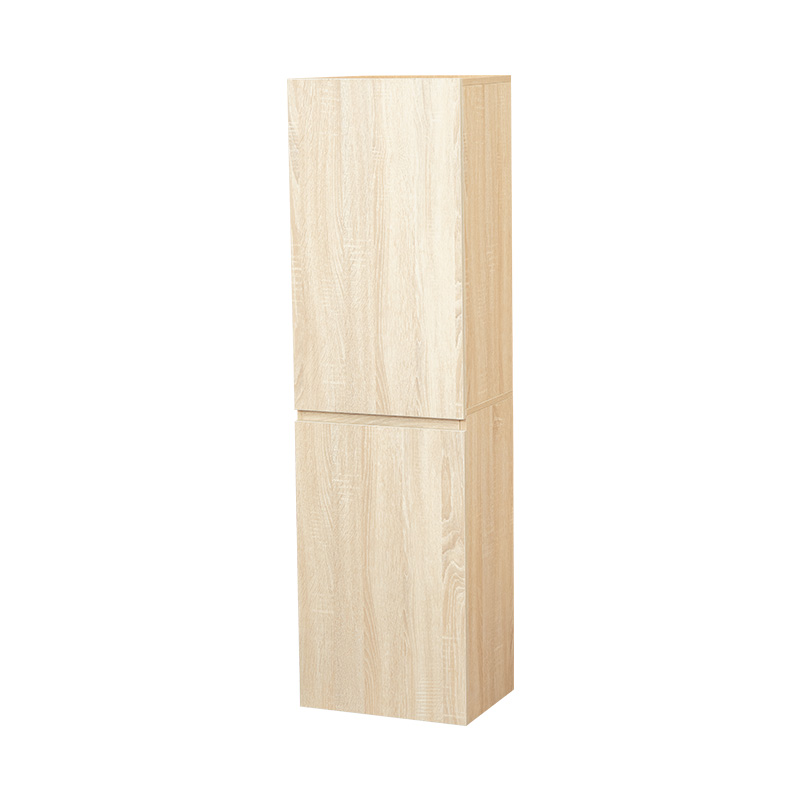
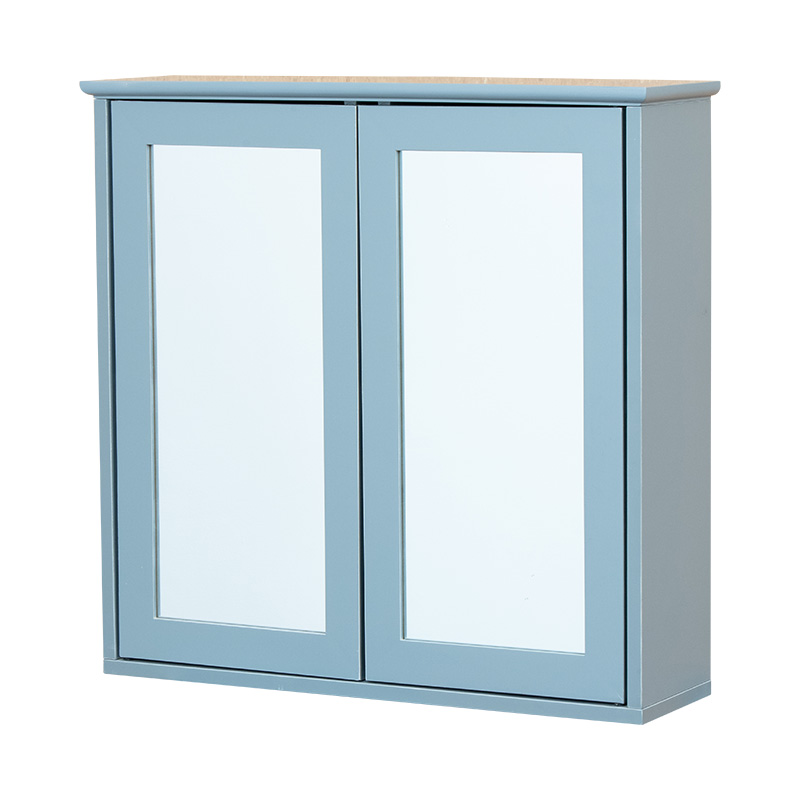
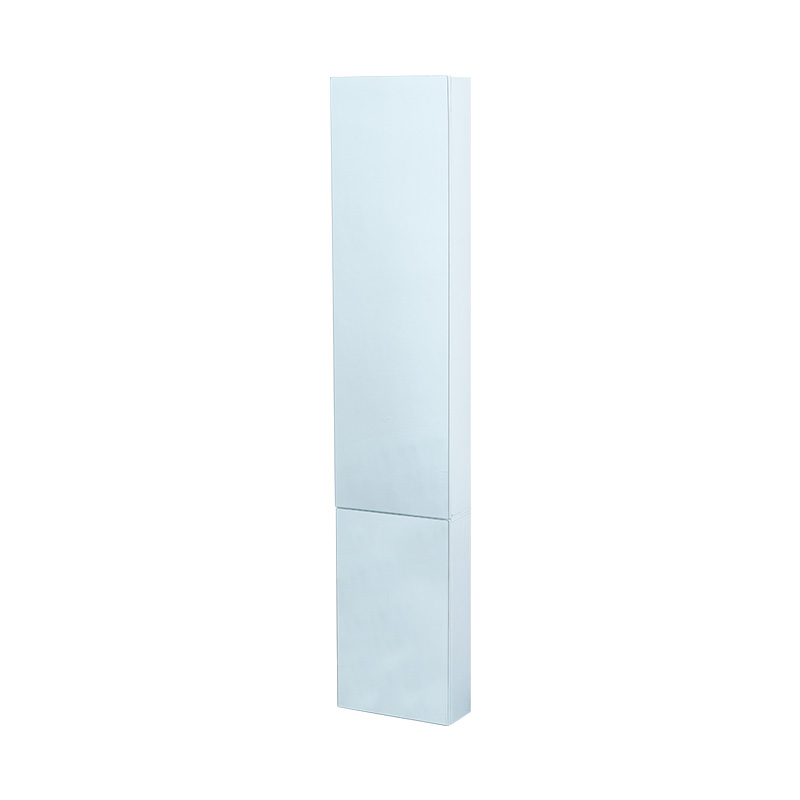
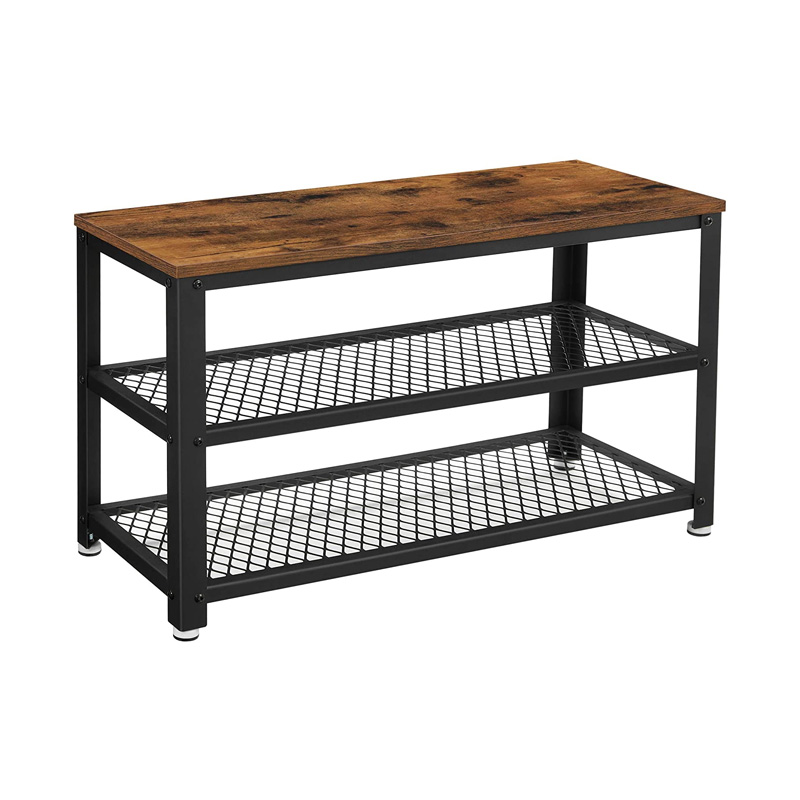
In homes, entryways, and commercial spaces, shoe cabinets provide organized storage for footwear. A Shoe Cabinet Manufacturer takes raw materials such as wood panels, metal hardware, and finishing coatings and turns them into finished products ready for assembly or delivery. Instead of building each unit entirely by hand, these facilities use a combination of cutting equipment, assembly stations, and quality checks to produce consistent cabinets across production runs.
A Shoe Cabinet Manufacturer typically includes material storage areas, panel cutting sections, edge banding machines, drilling stations, assembly lines, and packaging zones. Materials arrive at receiving docks and move through each production step before finished cabinets are packed for shipment.
Materials Used in Production
The primary materials used by a Shoe Cabinet Manufacturer vary by product line. Many cabinets use engineered wood products such as medium-density fiberboard or particleboard with laminate finishes. Solid wood is used for higher-end products. Plywood appears in mid-range cabinets where strength and weight matter.
Other materials include metal hinges, drawer slides, cam locks, dowels, screws, and adhesive. Finishing materials such as edge banding, veneer, or paint are applied to visible surfaces. A Shoe Cabinet Manufacturer typically stores panels flat in rack systems to prevent warping. Hardware is kept in bin storage organized by type and size.
Cutting and Shaping Panels
The production process in a Shoe Cabinet Manufacturer begins with panel cutting. Large boards are loaded onto CNC cutting machines or panel saws. These machines cut the boards into specific dimensions for cabinet sides, shelves, backs, tops, and bottoms. Cutting lists are generated from design files, ensuring each part matches the required measurements.
After cutting, panels move to edge banding. A strip of matching or contrasting material is applied to the cut edges. This step hides the raw core of engineered wood and protects edges from moisture damage. Edge banding machines apply adhesive, press the strip onto the panel edge, trim excess material, and buff the finished surface.
Drilling and Hardware Preparation
Once panels are cut and edged, a Shoe Cabinet Manufacturer drills holes for hardware. System holes for shelf pins are drilled in vertical panels. Holes for hinges are drilled in door panels. Pilot holes for screws are added where needed. CNC drilling machines handle these operations with high repeatability, ensuring that hardware aligns correctly during assembly.
Some manufacturers use dowel construction for cabinet assembly. In this method, matching holes are drilled in adjoining panels. Glue is applied, and dowels are inserted to align and strengthen the joint. Clamps hold the assembly while the glue dries.
Assembly Methods
- A Shoe Cabinet Manufacturer may use several assembly approaches depending on product design and shipping requirements:
- Ready-to-assemble cabinets ship as flat packs with hardware and instructions
- Fully assembled cabinets are built at the factory and shipped whole
- Semi-assembled cabinets have some sections pre-built with additional parts packed separately
Ready-to-assemble products are more common for manufacturers selling through retail channels. Flat packs reduce shipping volume and transfer final assembly to the customer. Fully assembled cabinets require larger shipping boxes and more protective packaging but offer a quicker setup for commercial buyers.
Finishing and Surface Treatment
Visible surfaces on a Shoe Cabinet Manufacturer products receive finishing treatments. Laminate panels come pre-finished from sheet goods suppliers. Painted cabinets go through spray booths where primer and topcoats are applied. Drying ovens or curing racks speed up the finishing process between coats.
For veneer products, sanding steps smooth the surface before clear coating is applied. The finishing area in the factory is separated from cutting and assembly zones to reduce dust contamination. Proper ventilation and filtration are part of the setup.
Quality Checks During Production
Consistency matters in furniture manufacturing because customers expect each cabinet to match the others. A Shoe Cabinet Manufacturer typically has quality checks at several points:
- Incoming panels are inspected for surface defects and thickness consistency
- After cutting, part dimensions are verified against the cut list
- Drilled hole patterns are checked with sample fittings
- Finished cabinets are examined for hardware alignment and surface scratches
These checks help identify issues before products reach packaging. If a drilling pattern is off, adjustments can be made to the CNC program before many parts are affected.
Packaging and Shipping
Finished cabinets from a Shoe Cabinet Manufacturer move to packaging stations. Flat-packed products are wrapped in cardboard and placed in shipping cartons with foam or cardboard inserts for protection. Fully assembled cabinets are wrapped in corner protectors, plastic film, and outer cardboard.
Labels include product codes, color or finish information, and handling instructions. Packed cartons are stacked on pallets and wrapped for shipment to retailers, distributors, or direct customers. The shipping area is organized near the packaging zone to reduce handling distances.
A Practical Furniture Operation
From panel cutting to final packing, the Shoe Cabinet Manufacturer organizes its production floor around efficient material flow and consistent quality. Its equipment choices, assembly methods, and finishing processes support steady output for home and commercial storage markets.


 中文简体
中文简体