Home storage design has gradually become a key part of modern interior planning. As living spaces become more compact, homeowners look for ways to keep entryways clean and organized without reducing usable space. Shoes are one of the most common items that create clutter near doors, which makes storage solutions an important part of daily home organization. In this context, a Shoe Cabinet Manufacturer plays a role in producing functional furniture designed for entryway storage and space management.
Instead of treating shoe storage as a simple shelf system, modern designs focus on structure, ventilation, and space efficiency.
Why Entryway Storage Matters in Daily Life
The entryway is often the first and last area people interact with when entering or leaving a home. Without proper storage, shoes can accumulate quickly and create an unorganized appearance.
A Shoe Cabinet Manufacturer produces furniture designed to organize footwear in a structured way while keeping the entry area visually clear. These cabinets are commonly used in:
- Apartment entryways
- Residential houses
- Dormitory rooms
- Office changing areas
- Hotel service spaces
Each environment has different space limitations and storage requirements.
Design Structure of Shoe Cabinets
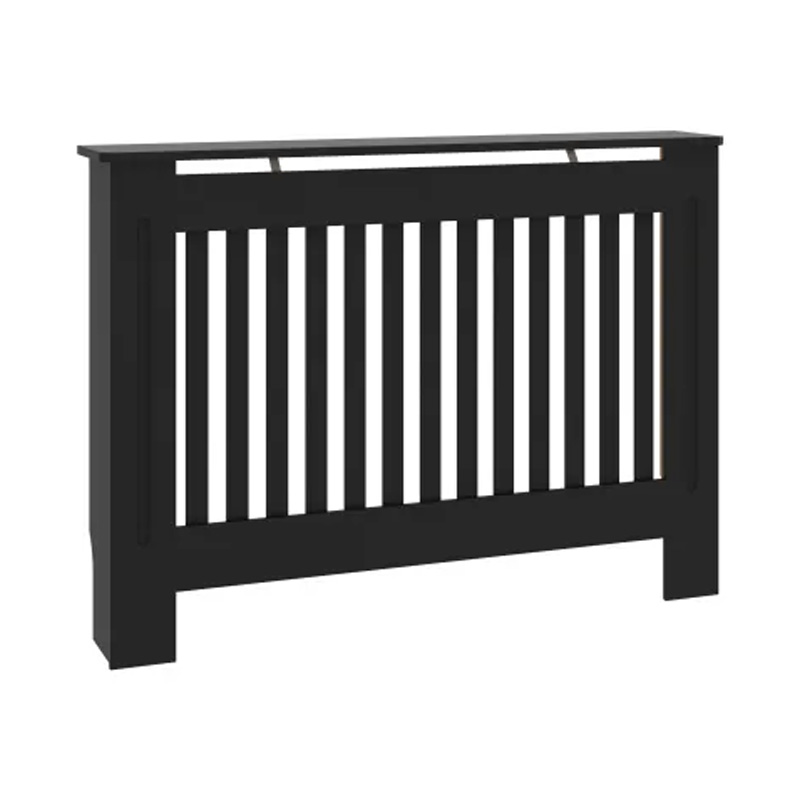
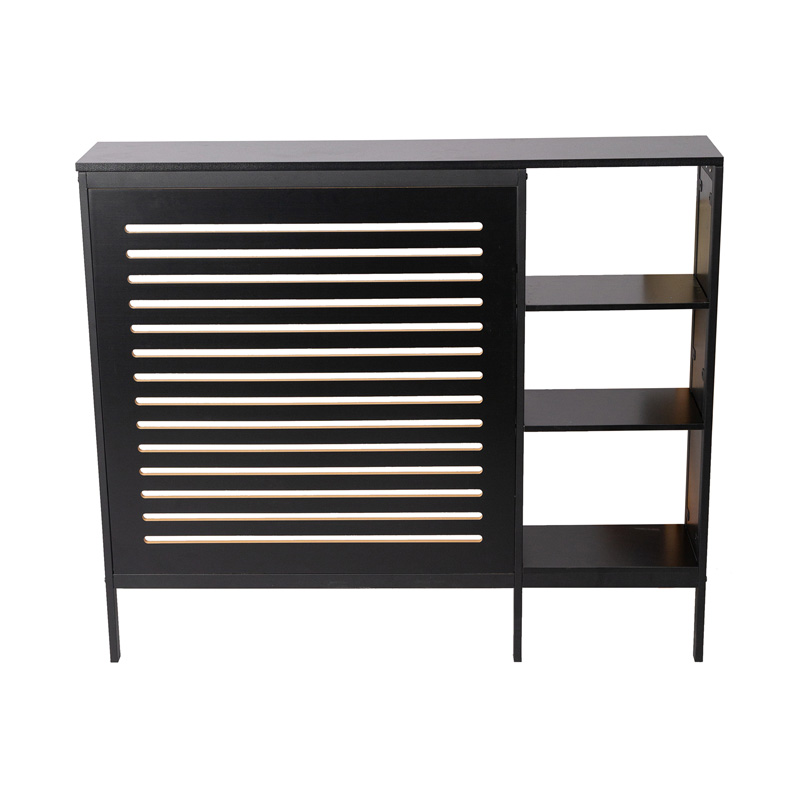
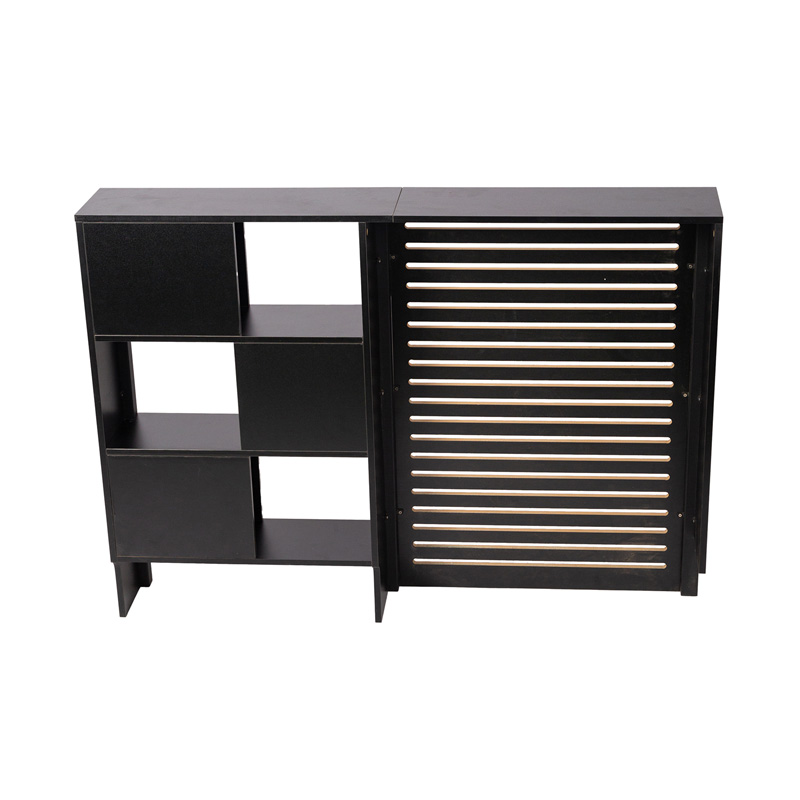
Shoe cabinets are designed with both storage capacity and space efficiency in mind. A Shoe Cabinet Manufacturer often develops multi-layer or flip-door designs that allow users to store multiple pairs of shoes within a limited footprint.
Common structural features include:
- Multi-tier shelving systems
- Ventilation gaps for airflow
- Adjustable internal partitions
- Foldable or sliding door mechanisms
- Slim cabinet depth for narrow entryways
These design elements help balance storage needs with space constraints in modern homes.
Material Selection and Production Process
Furniture materials affect durability, appearance, and maintenance requirements. A Shoe Cabinet Manufacturer may use engineered wood, MDF boards, metal frames, or composite materials depending on product design.
The production process typically includes:
- Material cutting and shaping
- Surface treatment and coating
- Assembly of cabinet structure
- Installation of hinges or sliding systems
- Quality inspection for alignment and stability
Each step contributes to the usability and long-term stability of the finished product.
Role in Space Optimization for Small Homes
Urban housing trends show a shift toward smaller apartments and compact living environments. This increases demand for multifunctional furniture that saves space while maintaining storage capacity.
A Shoe Cabinet Manufacturer designs products that fit into narrow hallways or behind doors without blocking movement. Some designs also combine shoe storage with seating benches or coat storage to create multi-use entryway systems.
This approach helps homeowners manage limited space more effectively without adding additional furniture pieces.
Ventilation and Hygiene Considerations
Shoes stored in enclosed spaces may develop odor or moisture buildup if ventilation is not considered. Because of this, airflow design is an important part of cabinet structure.
A Shoe Cabinet Manufacturer often includes ventilation slots, breathable materials, or spaced shelving to improve air circulation. This helps reduce odor buildup and keeps stored items in better condition over time.
In some designs, removable trays or washable liners are added for easier cleaning.
Style and Interior Matching
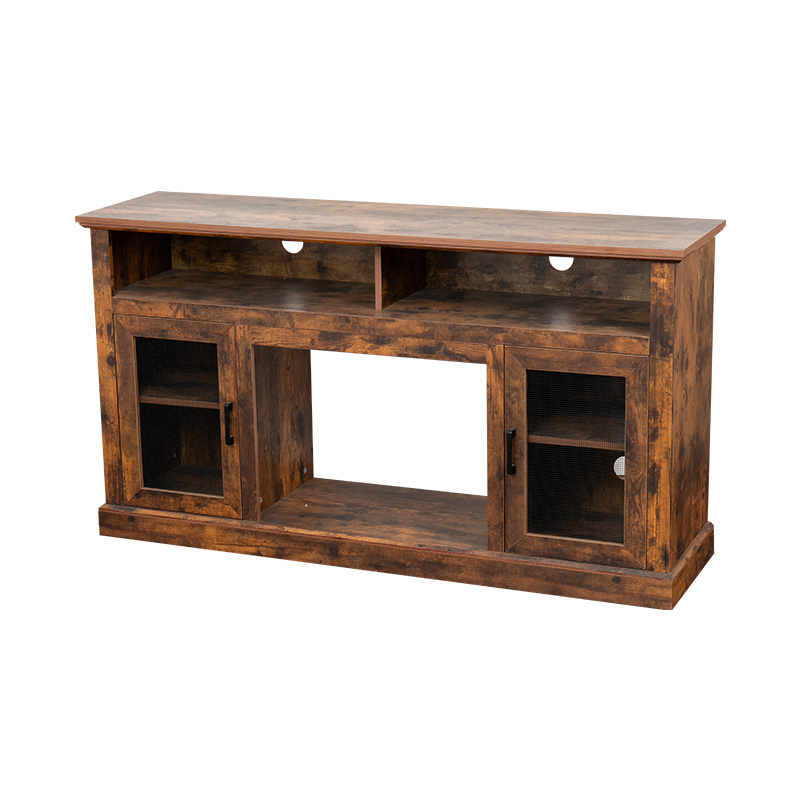
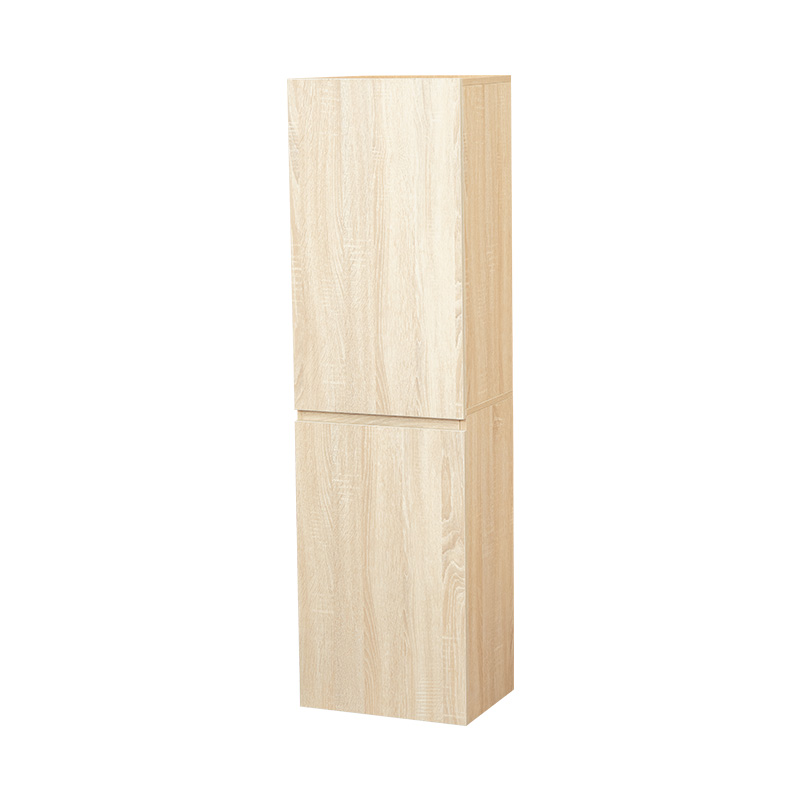
Shoe cabinets are not only functional storage units but also part of home interior design. A Shoe Cabinet Manufacturer produces different styles to match various interior themes such as modern minimalism, natural wood finishes, or industrial metal designs.
Common style variations include:
- Neutral color cabinets for modern apartments
- Wooden textures for home interiors
- Matte metal finishes for industrial spaces
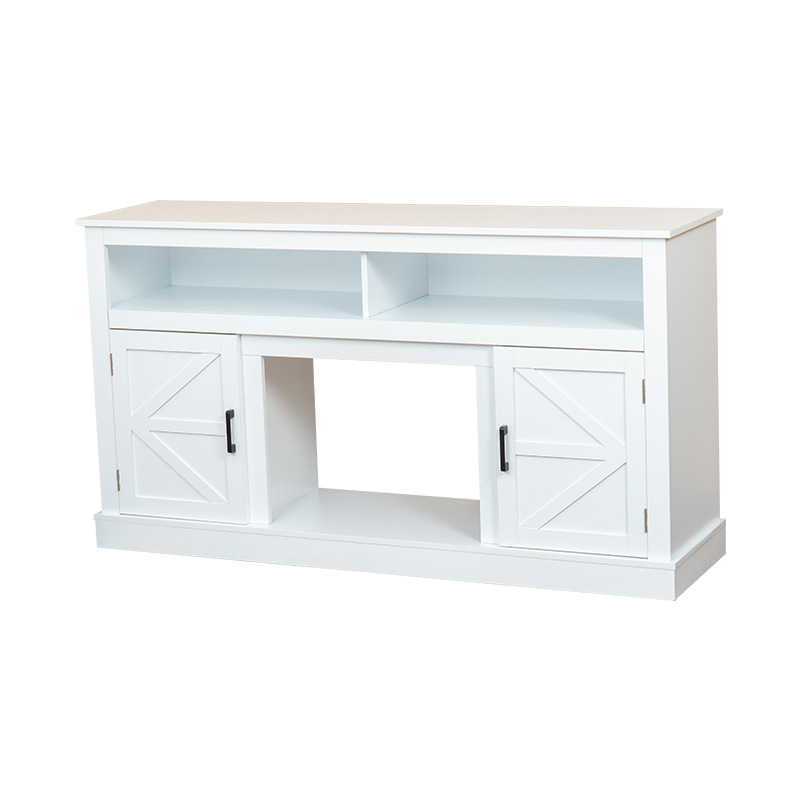
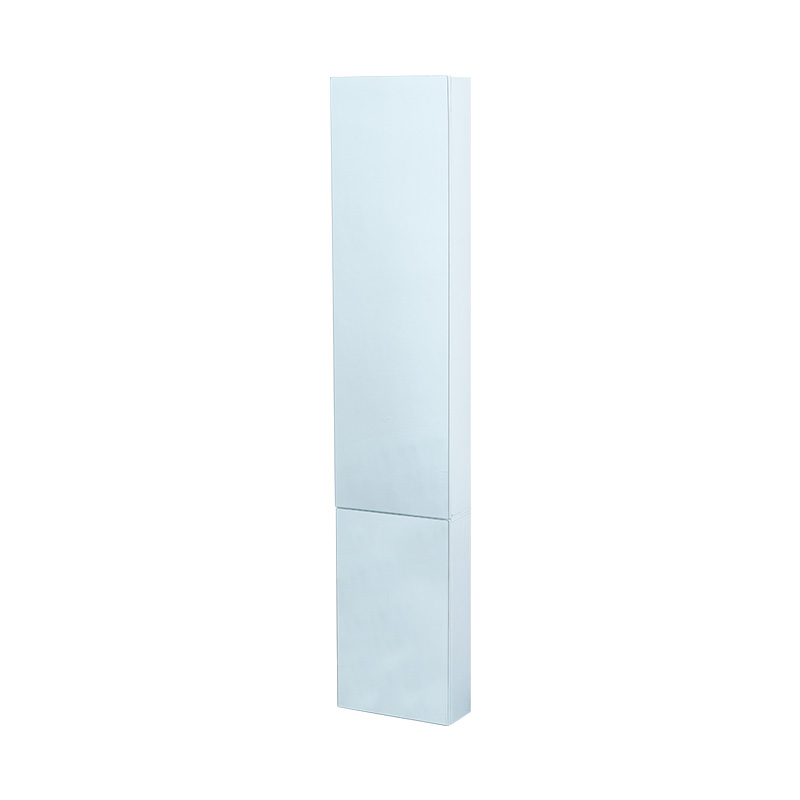
- Compact white designs for small entryways
These options allow furniture to blend with different residential environments.
OEM Production and Market Distribution
Many furniture brands source products through OEM partnerships with a Shoe Cabinet Manufacturer. This allows customization of size, color, and structure based on market demand.
OEM production also supports bulk orders for retail chains, property developers, and online furniture stores. This system helps maintain consistent production while allowing design variations for different regions.
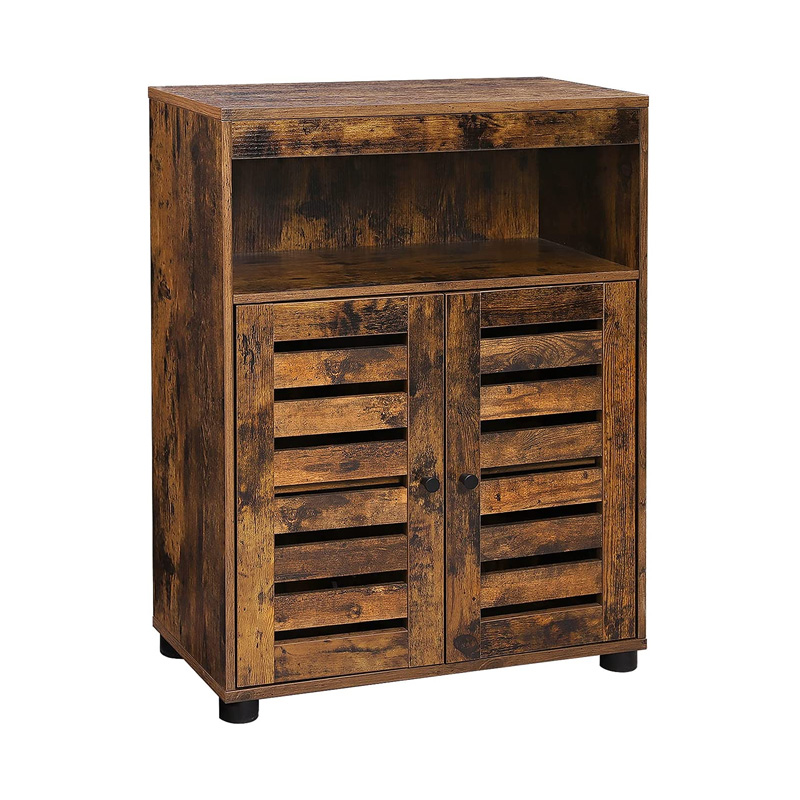
Home organization continues to evolve alongside modern housing trends and space limitations. Entryway storage has become an important part of daily living environments, especially in compact homes and apartments. The Shoe Cabinet Manufacturer plays a practical role in this space by producing furniture designed for structured storage, ventilation, and space efficiency.
As residential design continues to focus on functional layouts, shoe cabinet systems remain closely connected to how people organize and use entryway spaces in everyday life.


 中文简体
中文简体