Q1: What is the function of nightstands in modern bedrooms?
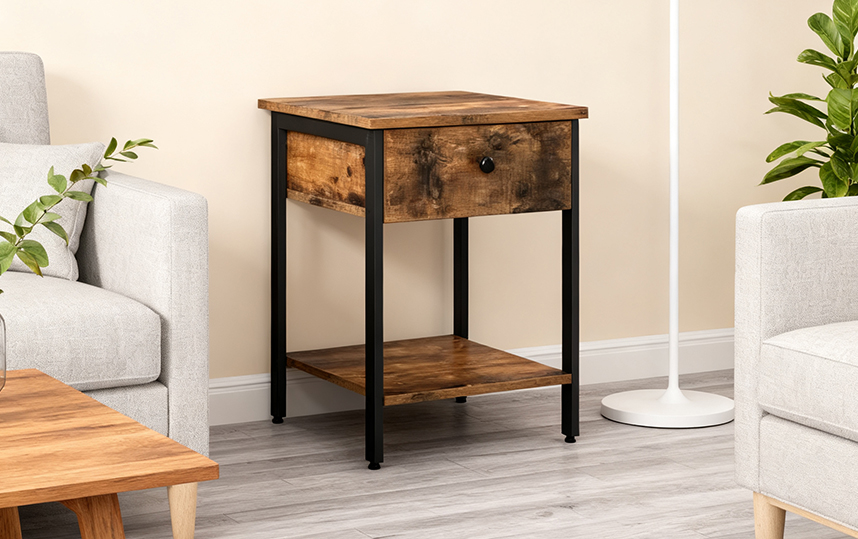
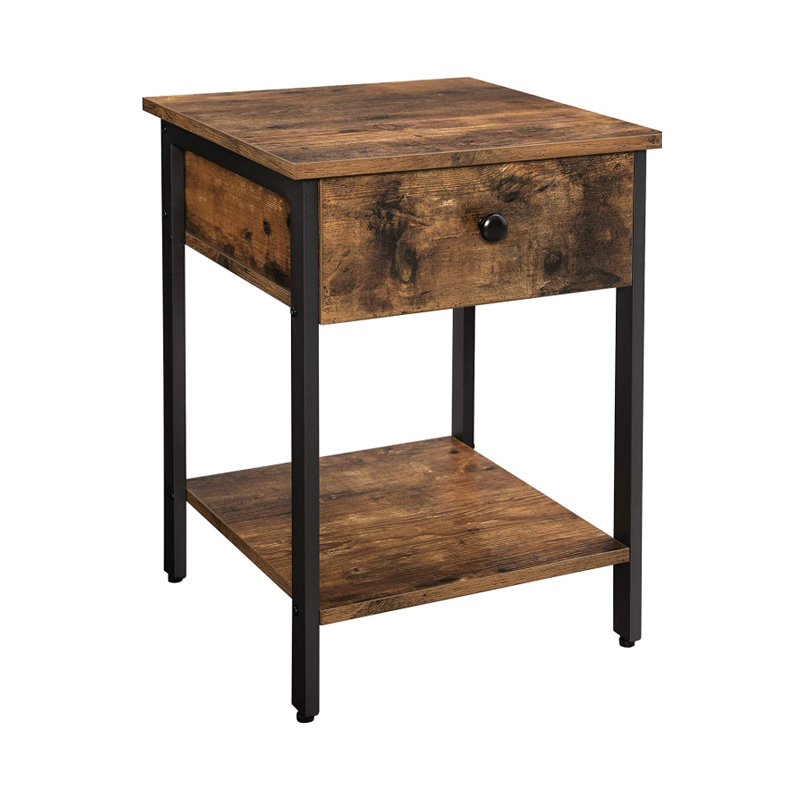
Nightstands serve as small, convenient furniture pieces beside the bed, providing surfaces for lamps, clocks, or personal items. Beyond convenience, they contribute to a bedroom’s aesthetic and help organize essential objects within easy reach. In the furniture industry, nightstands are valued for combining style with practicality. They can vary from minimal open-frame designs to pieces featuring one or more drawers and small cabinets. Nightstands are particularly significant in bedrooms where space is limited, as they offer a dedicated spot for frequently used items without cluttering other furniture. Additionally, they can enhance the visual balance of a room, complementing beds, rugs, and other furniture elements.
Q2: How does a bedside table differ from a nightstand?
A bedside table often has similar dimensions to a nightstand but may serve broader functions. While nightstands primarily support bedside essentials, a bedside table can act as a decorative accent or a functional surface elsewhere in the room. Industry research indicates a growing demand for bedside tables with flexible designs, including open shelves for display or small compartments for organization. Some tables include additional features such as cable management slots for electronic devices or removable trays for convenience. Manufacturers are also exploring modular bedside table designs, allowing consumers to adjust storage space according to their needs.
Q3: What distinguishes a bedside storage table from other bedroom furniture?
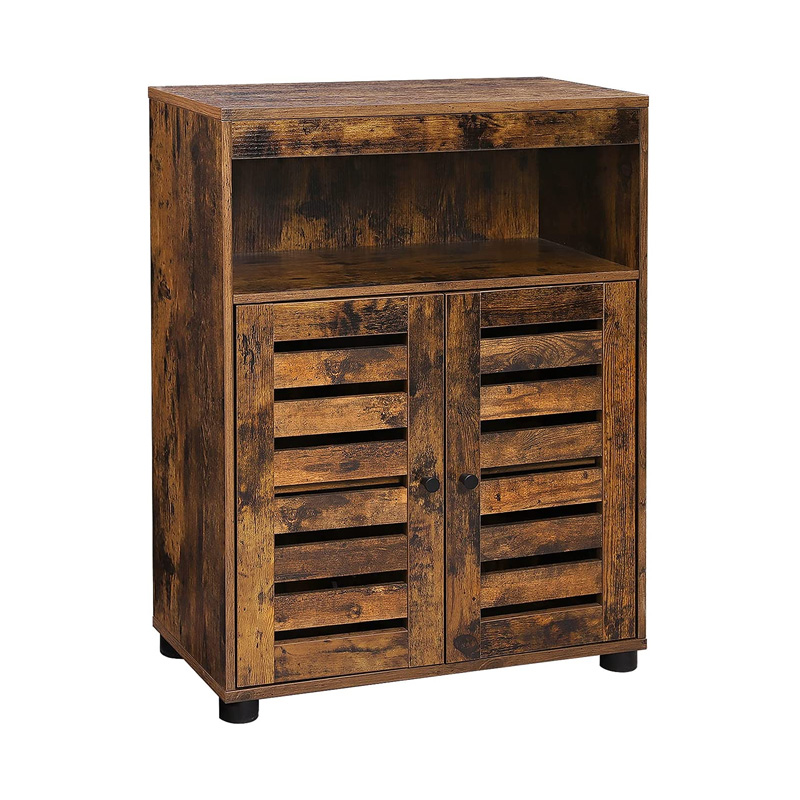
A bedside storage table emphasizes organization through multiple drawers or compartments. It is especially useful in smaller living spaces where maximizing storage is important. By combining open shelves and closed drawers, these tables provide a balance of accessibility and concealment for personal items. The industry recognizes that bedside storage tables are not only functional but also enhance bedroom aesthetics. Designers often experiment with finishes, handles, and leg styles to create visually appealing units that integrate seamlessly with beds and other furniture. In hotels and serviced apartments, bedside storage tables are valued for offering guests easy access to belongings while maintaining a tidy environment.
Q4: What materials and construction methods are common for these products?
Wood remains the dominant material for nightstands, bedside tables, and bedside storage tables. Solid wood is favored for its durability and natural appeal, while engineered wood or MDF provides cost-effective alternatives suitable for mass production. Metal legs, glass tops, or laminate finishes are increasingly applied to achieve contemporary or industrial styles. From a manufacturing perspective, ensuring smooth drawer operation, structural stability, and precise joinery is crucial. Quality control often focuses on alignment, finish, and longevity, as these factors directly influence customer satisfaction. Some modern designs also incorporate eco-friendly or recycled materials, reflecting sustainable trends in the furniture industry.
Q5: How are consumer preferences shaping the design of these furniture pieces?
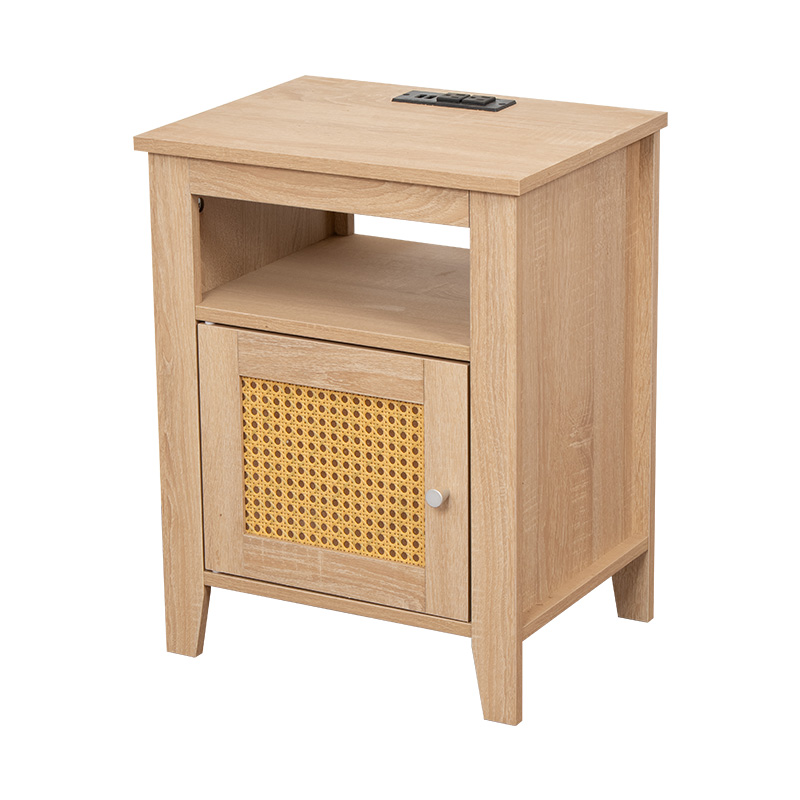
Consumers increasingly seek furniture that combines practicality with style. Minimalist bedrooms benefit from nightstands with clean lines, while more decorative interiors may feature bedside tables with textured finishes or unique hardware. Bedside storage tables are popular in urban apartments where space efficiency is critical. Many contemporary designs include adjustable shelves, hidden compartments, or integrated charging solutions, responding to the growing presence of electronic devices in bedrooms. Market research shows that flexibility, aesthetic coherence, and multifunctionality are key factors influencing purchase decisions, encouraging manufacturers to innovate in both design and usability.
Q6: What trends are influencing the market for nightstands and bedside storage furniture?
The market is evolving due to smaller living spaces, multifunctional furniture demand, and increased attention to interior aesthetics. Nightstands and bedside tables remain essential pieces, while bedside storage tables are gaining traction for their organizational advantages. Technology integration is a notable trend, with some units now including USB ports, wireless charging, or built-in lighting. Eco-friendly materials and sustainable production processes are increasingly prioritized by both manufacturers and consumers. Additionally, modular and customizable designs allow buyers to mix and match furniture according to room size and personal taste. Overall, the industry continues to adapt to lifestyle changes, offering practical, stylish, and space-conscious solutions.


 中文简体
中文简体