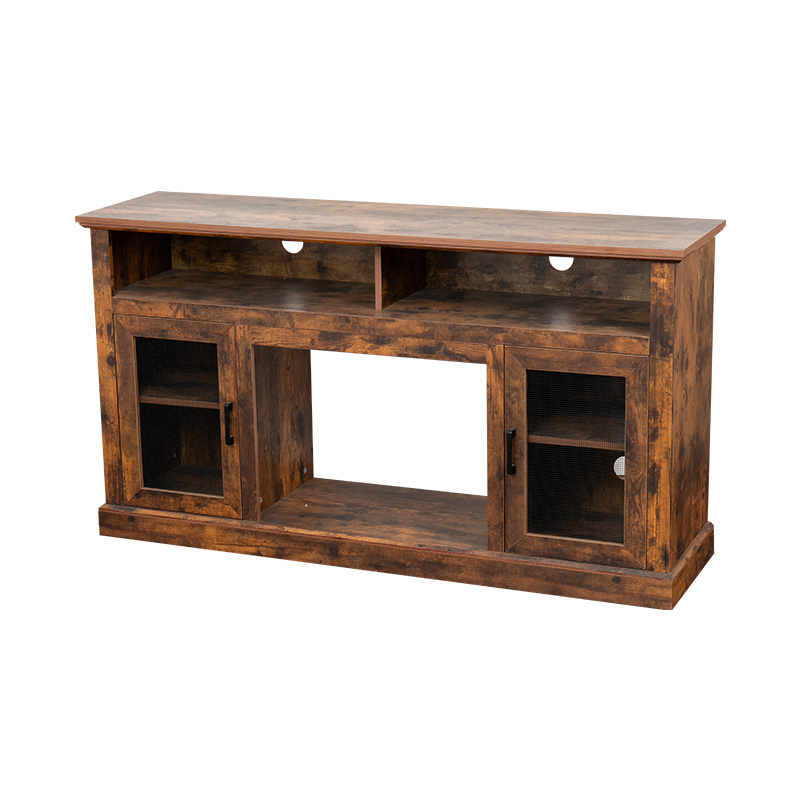
Q1: What is a Larder and how is it used in modern homes?
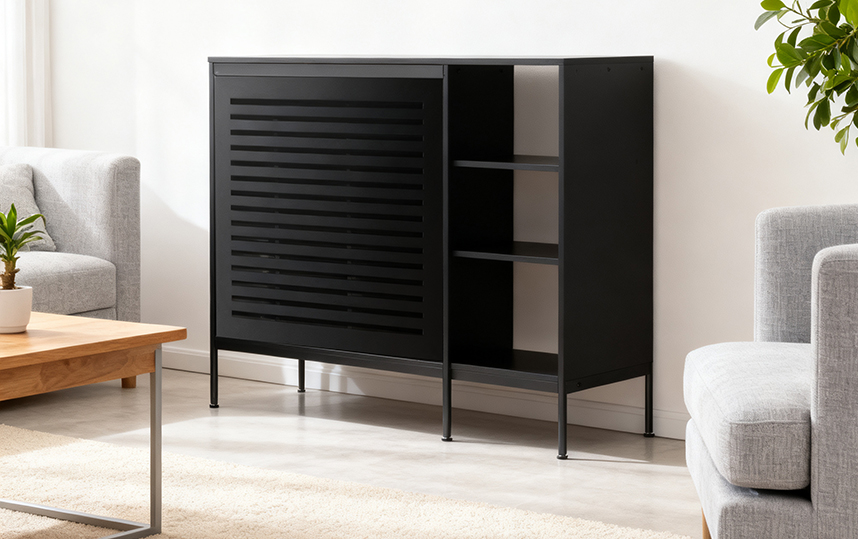
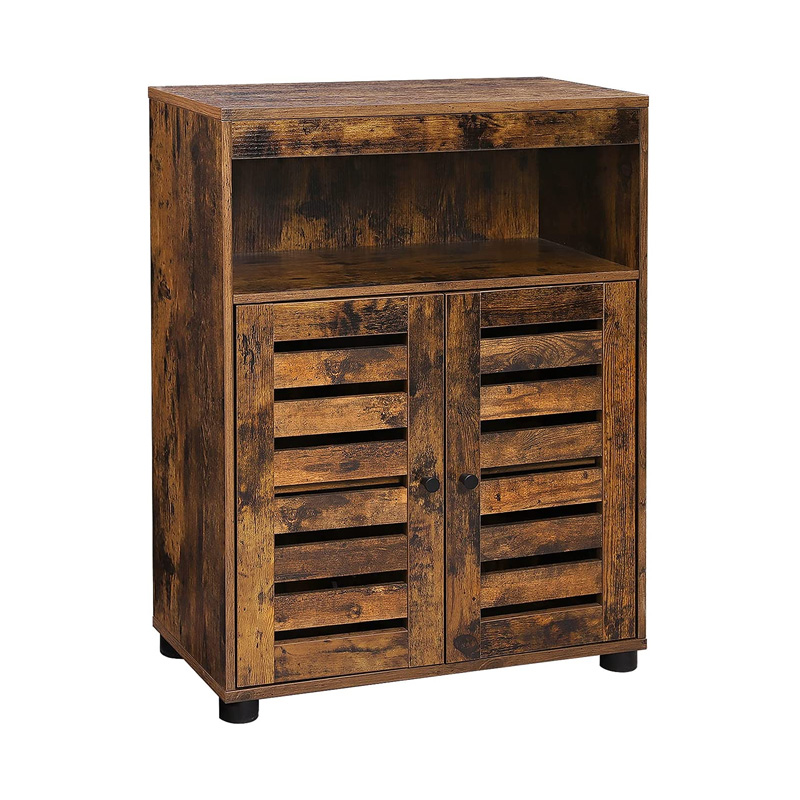
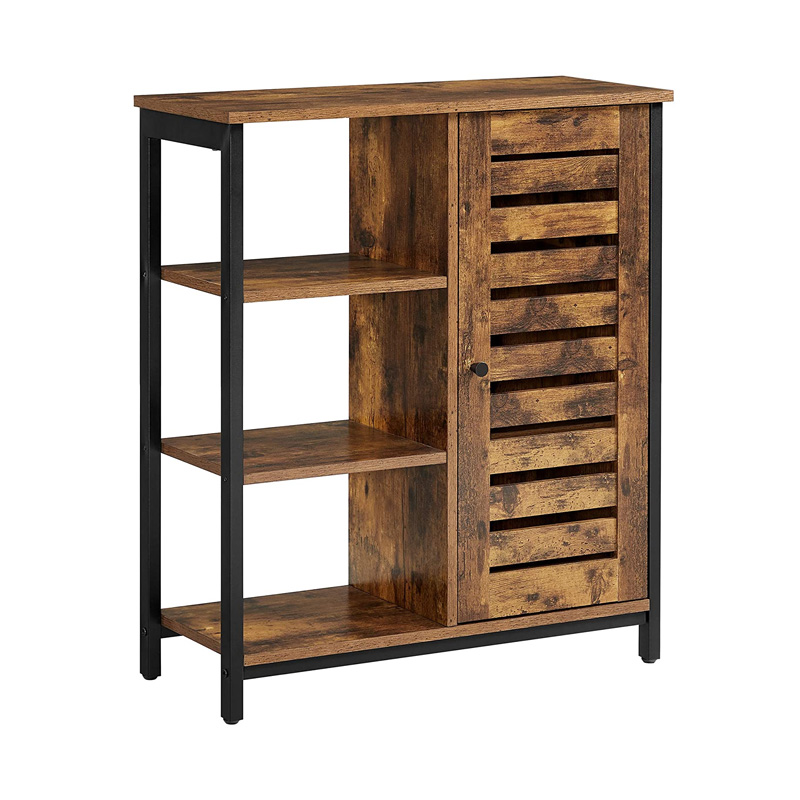
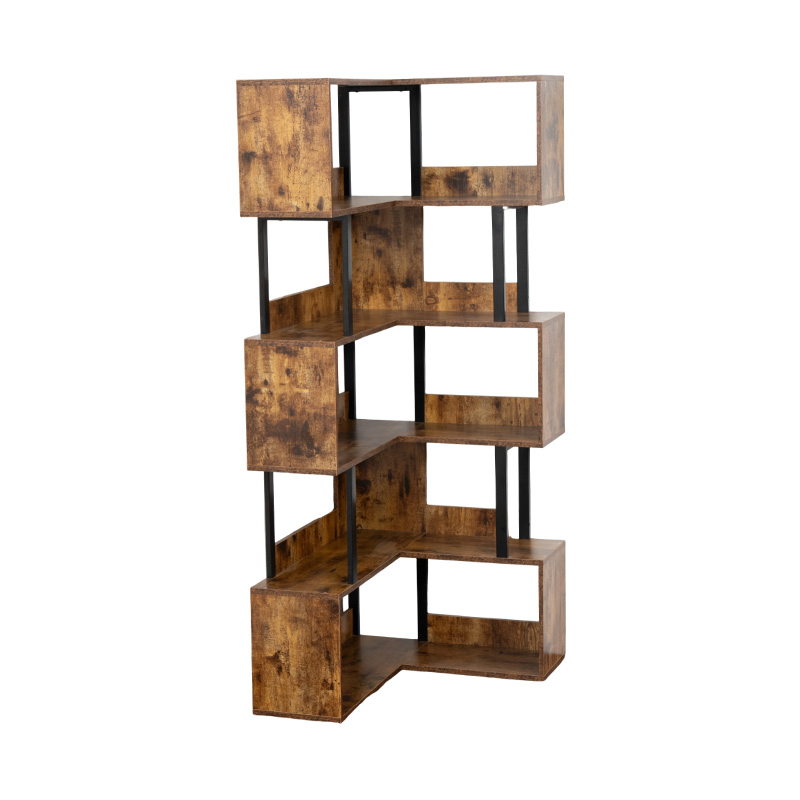
A Larder is a storage unit designed to keep food items organized and accessible, especially in kitchens or dining areas. Traditionally, larders were used to store dry goods, preserves, or perishable items before refrigeration. In contemporary homes, a Larder can combine shelves and closed compartments to store a variety of food items efficiently.
From a manufacturing perspective, Larders are often designed to maximize vertical space. Adjustable shelves allow users to accommodate different-sized containers, while enclosed doors protect food from dust and light. Their design also complements kitchen interiors, providing both practical storage and a visually tidy solution.
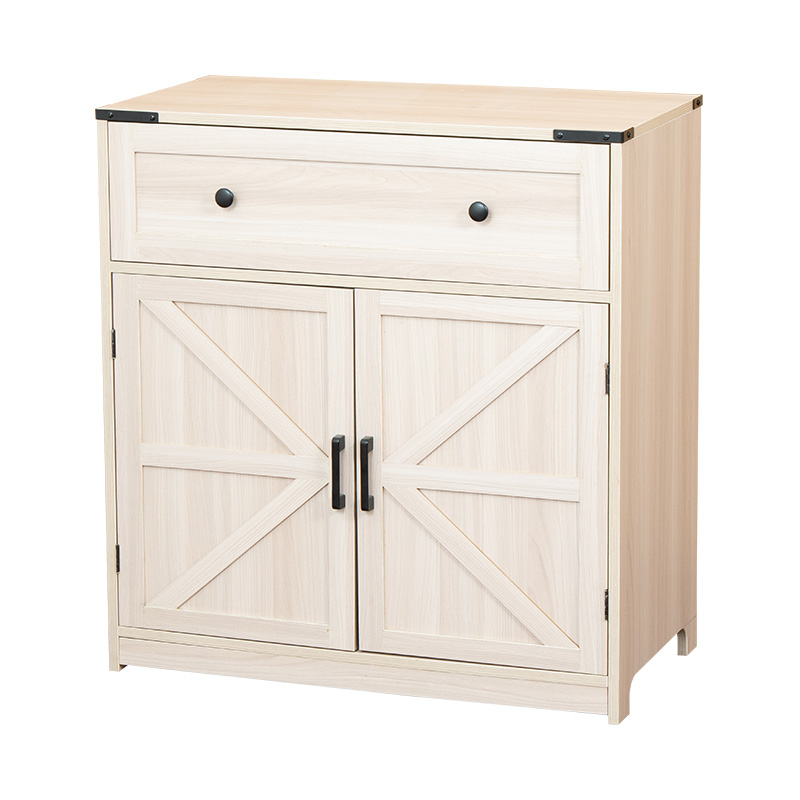
Q2: How does a Sideboard enhance dining room organization?
A Sideboard is a furniture piece commonly placed in dining rooms to store tableware, linens, or decorative items. Its horizontal surface provides a convenient area for serving food or displaying decorative objects.
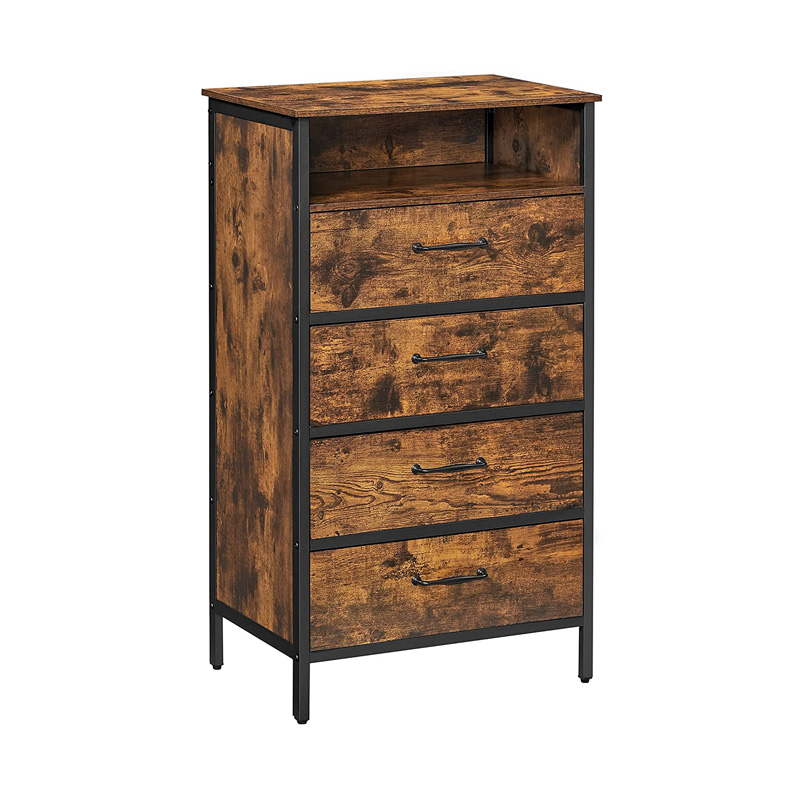
In furniture production, a Sideboard is crafted to combine aesthetics with functionality. Manufacturers often include drawers and cabinets to allow organized storage of plates, utensils, and other dining essentials. Its design ensures that items can be retrieved quickly while keeping the dining area neat.
The Sideboard is also valued for its ability to integrate with other furniture in the room, creating a cohesive appearance that balances utility with interior style.
Q3: What makes a Sideboard Cabinet distinct from a standard sideboard?
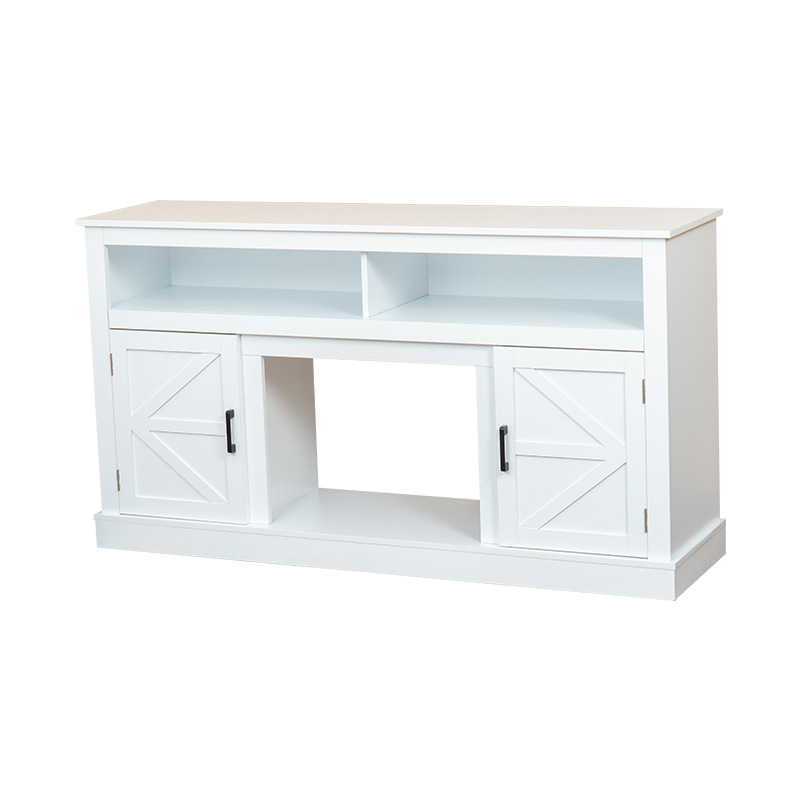
A Sideboard Cabinet emphasizes enclosed storage more than a typical sideboard. It often includes doors and internal shelving that allow items to be hidden from view while remaining easily accessible.
The Sideboard Cabinet is particularly useful for storing items that are not used daily, such as serving dishes, glassware, or seasonal dining accessories. Manufacturers focus on creating compartments that provide stability for stored items, while maintaining an elegant exterior that complements dining or living room decor.
By offering both concealment and organization, a Sideboard Cabinet provides flexibility for homeowners who want a combination of display and hidden storage.
Q4: How does a Wood Dish Cabinet support kitchen functionality?
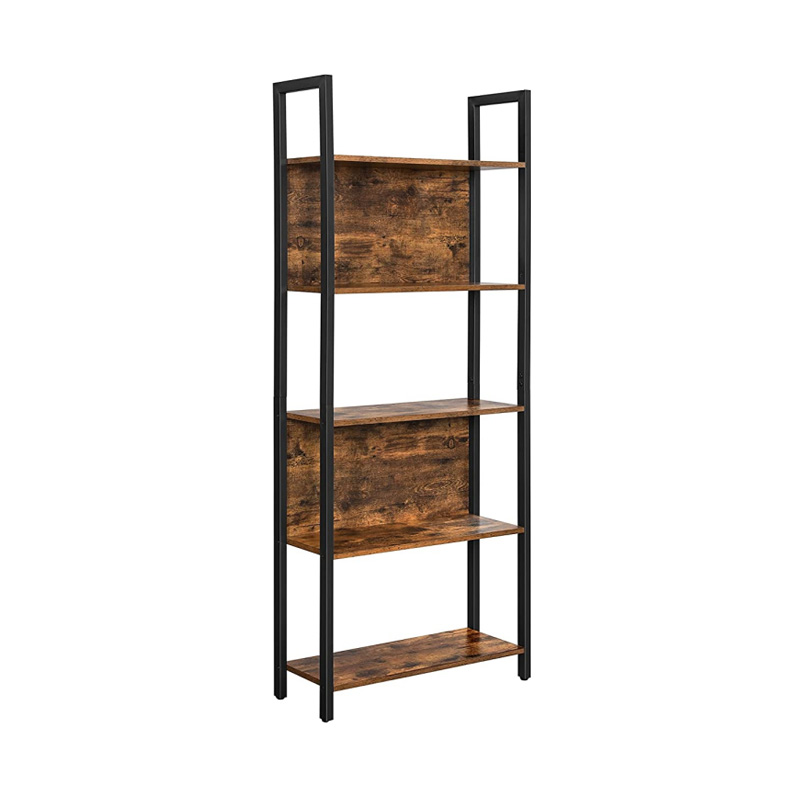
A Wood Dish Cabinet is designed specifically for storing plates, bowls, and other dining ware. Unlike open shelving, it protects dishware from dust and accidental damage while keeping items organized for easy access.
In production, Wood Dish Cabinets often use solid wood or engineered wood for durability. Adjustable shelves and reinforced panels allow homeowners to store items of varying sizes, from large serving bowls to smaller plates. Hardware such as smooth-gliding drawers or hinged doors is incorporated to ensure convenient daily use.
A Wood Dish Cabinet not only serves a practical function but also enhances the visual appeal of kitchen or dining spaces by providing a warm, natural texture.
Q5: What materials and design considerations are important in this furniture category?
For Larders, Sideboards, Sideboard Cabinets, and Wood Dish Cabinets, manufacturers carefully select materials to balance durability and aesthetics. Solid wood, MDF, and laminated boards are commonly used. The choice often depends on the furniture’s intended location and the weight of items it will hold.
Design considerations include stability, accessibility, and airflow for food storage. For a Larder, adjustable shelving and well-fitted doors are key. For Sideboards and Sideboard Cabinets, compartmentalization ensures items are easy to organize and retrieve. In a Wood Dish Cabinet, careful spacing and reinforced shelving are necessary to safely store dishware.
Finishing details such as painted surfaces, wood stains, or decorative panels help furniture match interior styles while providing protection against wear.
Q6: Why are these furniture types important in modern home interiors?
Organized storage continues to be a significant concern for homeowners. A Larder provides practical food storage in kitchens, while a Sideboard supports dining room efficiency. When more concealed storage is required, a Sideboard Cabinet offers both organization and an elegant appearance. A Wood Dish Cabinet ensures dishware is protected, accessible, and neatly arranged.
Together, these furniture types help optimize space in both kitchen and dining areas. They allow homeowners to maintain a clean and visually appealing interior while providing reliable storage solutions. In the furniture industry, these designs remain central to meeting practical and aesthetic needs in modern homes.


 中文简体
中文简体