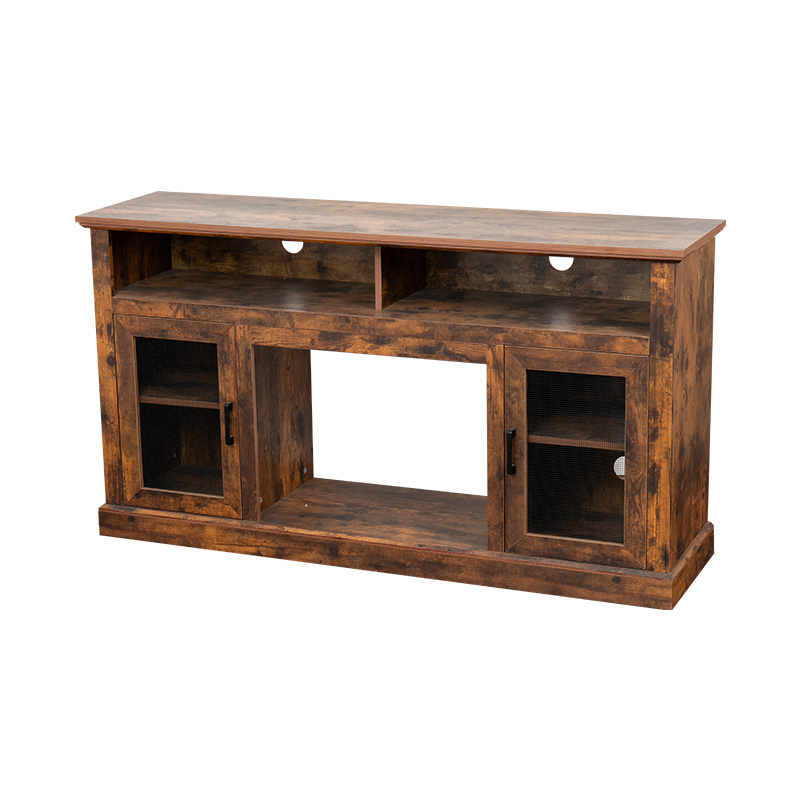
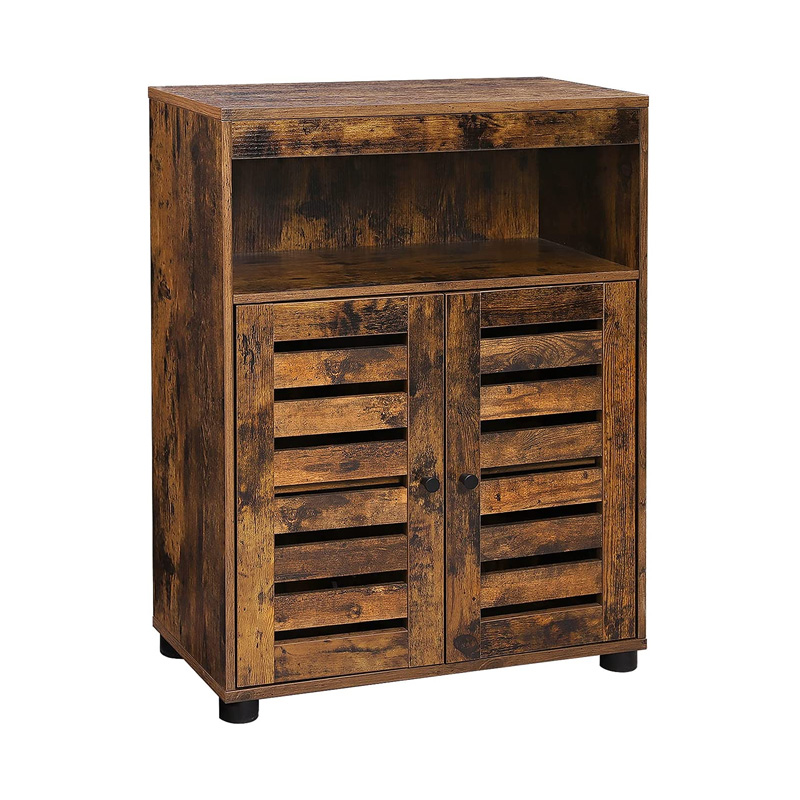
Q1: What is the role of a coffee tea table in modern interiors?
A Coffee Tea Table serves as a central piece in living rooms or lounge areas, providing a surface for beverages, books, or decorative items. It helps create a focal point while supporting social interaction and functional use.
Choosing the right size and height ensures it complements seating arrangements and maintains ease of access for users.
Q2: How does a steel coffee table differ from other types?
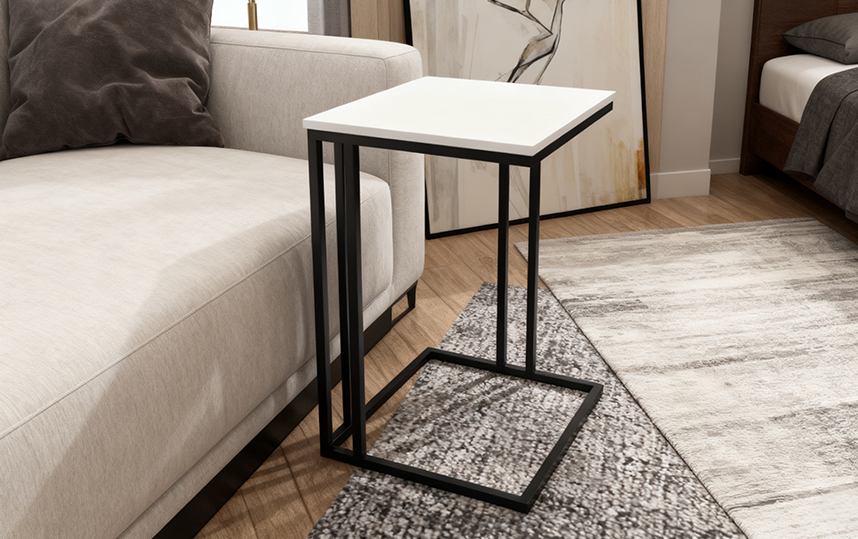
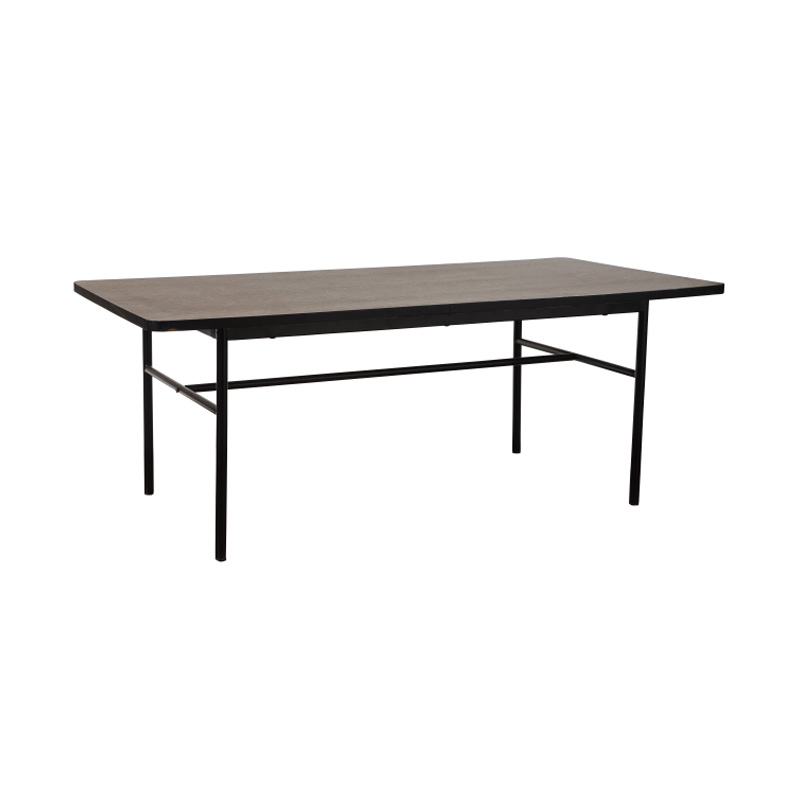
A Steel Coffee Table offers durability and a contemporary aesthetic. Its metal frame provides stability and can support heavier items without sagging.
Steel tables are often finished with powder coating or paint to resist corrosion and scratches, making them suitable for high-traffic living spaces. These tables also pair well with modern or industrial interior styles.
Q3: What characteristics define a wood coffee table?
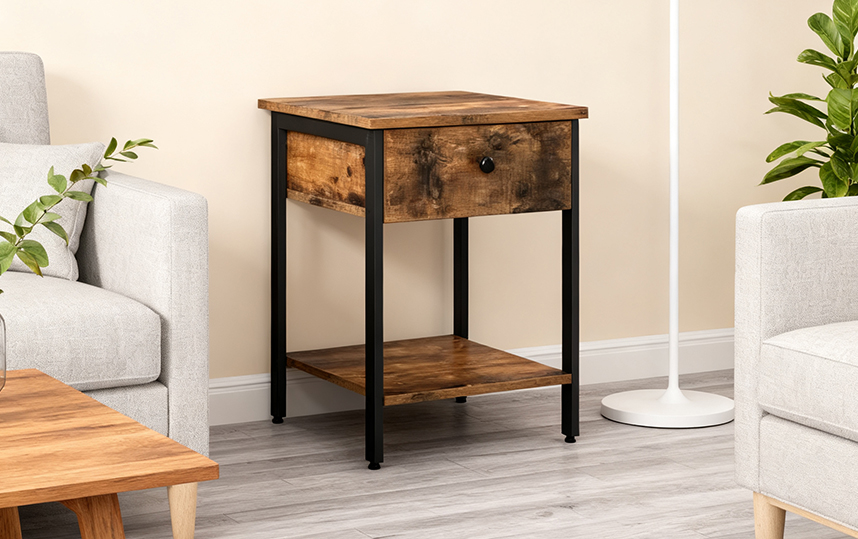
A Wood Coffee Table brings warmth and natural texture to a room. Wood types such as oak, walnut, or engineered boards are commonly used to create tables with visual appeal and long-lasting performance.
Wood coffee tables can include drawers or lower shelves, providing additional storage while maintaining an elegant and comfortable atmosphere.
Q4: What materials are commonly used in coffee table manufacturing?
Coffee tables are produced from various materials, depending on design intent. A Coffee Tea Table can combine wood, metal, glass, or stone for visual interest and functional diversity.
Steel Coffee Tables emphasize durability and modern design, while Wood Coffee Tables focus on classic appeal and warmth. Some tables blend materials, such as wood tops with steel frames, to achieve a balanced combination of style and stability.
Q5: How does design impact usability?
Design considerations affect both functionality and aesthetic appeal. A Coffee Tea Table should provide sufficient surface area for multiple uses without overwhelming the space.
Steel Coffee Tables often feature clean lines and minimalistic frames, enhancing usability in compact rooms. Wood Coffee Tables may include rounded edges or decorative carvings, offering both functional and stylistic benefits.
Q6: How are coffee tables integrated into different room layouts?
Placement is key for accessibility and visual harmony. A Coffee Tea Table is usually positioned centrally in front of sofas or chairs to allow easy reach from all seating positions.
Steel Coffee Tables are suitable for contemporary living rooms or office lounges where clean lines complement furniture arrangements. Wood Coffee Tables work well in traditional or rustic interiors, pairing with upholstered seating to create a warm, inviting environment.
Q7: What maintenance practices are recommended?
Routine care ensures longevity and appearance. Wiping a Coffee Tea Table with a soft cloth prevents dust accumulation.
Steel Coffee Tables may require occasional inspection of coatings and frames to maintain durability, while Wood Coffee Tables benefit from polishing or protective finishes to prevent moisture damage and scratches. Avoid placing hot or wet items directly on wooden surfaces to preserve the finish.
Q8: How do coffee tables influence interior aesthetics?
A thoughtfully chosen Coffee Tea Table enhances the style and functionality of a room. Steel Coffee Tables add modern, industrial, or minimalist touches, while Wood Coffee Tables bring warmth and natural character.
Combining these tables with complementary décor, such as rugs, lighting, or decorative accessories, helps create cohesive and inviting spaces. Proper material selection and design ensure the table serves both functional and stylistic purposes, supporting social interaction and daily activities.
Q9: How should consumers choose the right coffee table?
When selecting a Coffee Tea Table, consider room size, seating arrangement, and intended use. Steel Coffee Tables are suitable for durable and contemporary requirements, whereas Wood Coffee Tables are ideal for traditional, cozy, or rustic interiors.
Assessing material, height, and surface area ensures the table meets practical needs while enhancing the overall room design.


 中文简体
中文简体