Q1: What is a table leg and why is it important?
A Table Leg is a structural component that supports the tabletop and maintains stability. It ensures that the table can bear weight evenly and remain level on various floor surfaces. Without sturdy table legs, even a well-crafted tabletop can become unstable or unsafe.
Table legs are fundamental not only for function but also for contributing to the visual style of furniture.
Q2: What are the characteristics of an iron table leg?
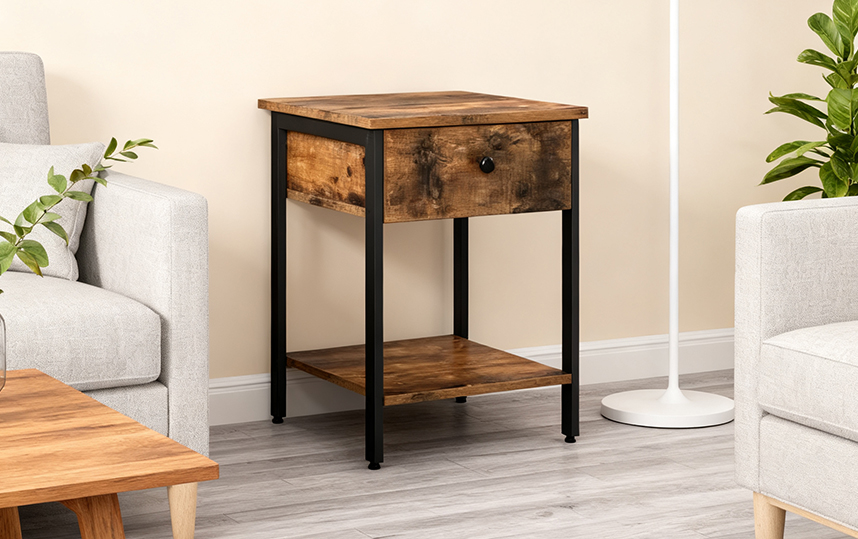
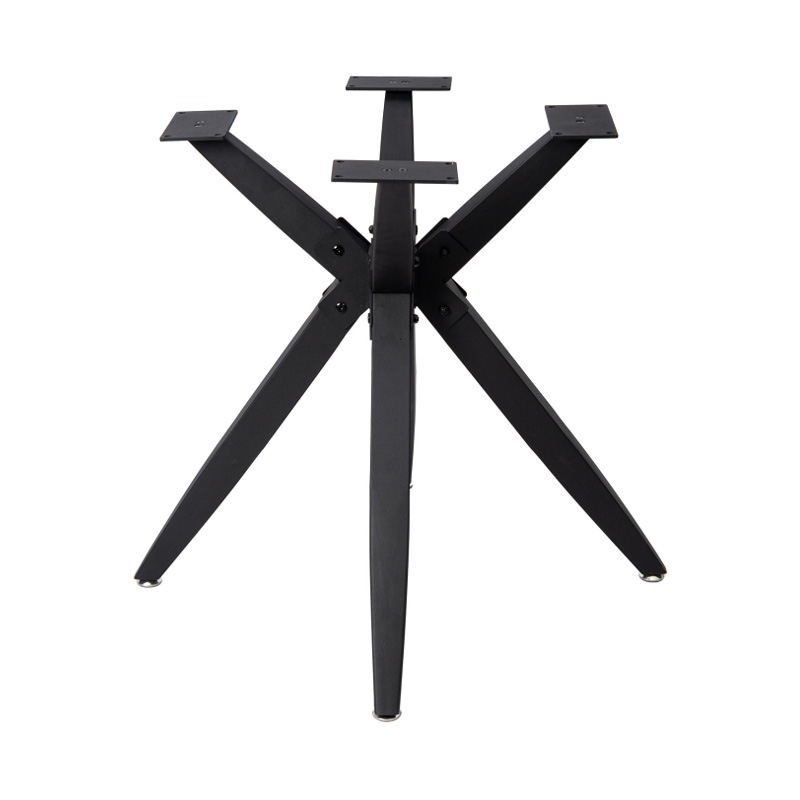
An Iron Table Leg is made from durable iron material that provides strong support for a variety of tabletops. Iron legs are resistant to bending and offer a stable base for both lightweight and heavier furniture.
These legs can be designed in various shapes, such as straight, tapered, or decorative, to match industrial, rustic, or contemporary interior styles.
Q3: How does a steel table leg differ from other materials?
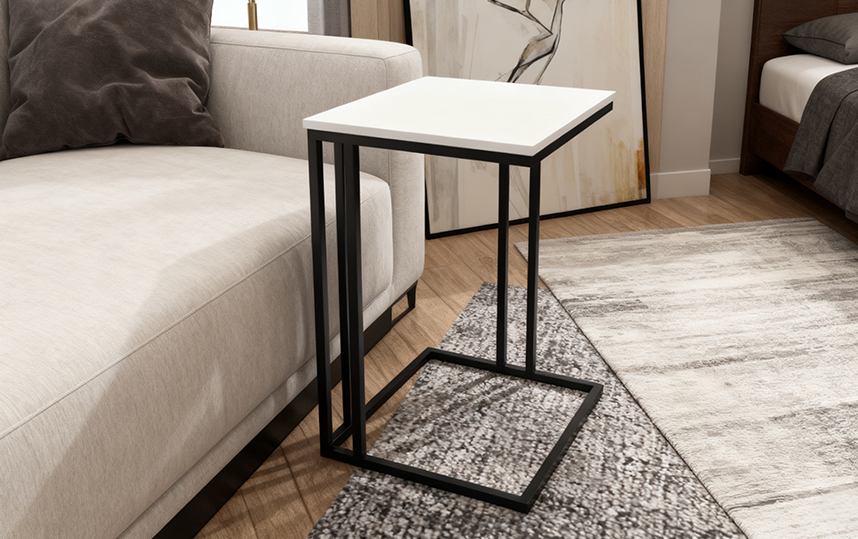
A Steel Table Leg provides a balance of strength and flexibility. Steel is often treated or coated to prevent rust and maintain a sleek appearance. Its rigidity allows for longer spans between legs, making it ideal for larger tables or work surfaces.
Steel legs are commonly used in offices, kitchens, or modern living rooms due to their clean lines and minimal maintenance needs.
Q4: What materials and finishes are common in table leg manufacturing?
Table Legs are available in iron, steel, aluminum, and wood, depending on design and functional requirements. Iron Table Legs often feature powder coating or paint to protect against corrosion, while Steel Table Legs may have brushed, painted, or polished finishes for aesthetic appeal.
Selection of material influences weight capacity, durability, and compatibility with tabletop materials like wood, glass, or composite surfaces.
Q5: How do table legs affect furniture stability?
Properly designed Table Legs distribute weight evenly and prevent wobbling. The thickness, angle, and attachment method are critical factors for stability. Iron Table Legs are often used for heavy-duty tables due to their rigidity, while Steel Table Legs can support moderate to heavy loads with a sleeker profile.
Correct leg placement also allows adequate knee space and ensures ergonomic comfort for users.
Q6: What design considerations should be considered when choosing table legs?
Design must match both function and aesthetics. Table Legs should complement the tabletop style and intended use. For example, Iron Table Legs suit industrial or rustic themes, whereas Steel Table Legs are more suitable for modern or minimalist interiors.
Height, width, and leg shape influence usability and room layout. Adjustable or modular legs offer versatility for different table heights or floor types.
Q7: How is maintenance handled for these legs?
Regular cleaning prevents dust buildup and corrosion. Iron Table Legs may require occasional touch-up on painted or coated surfaces. Steel Table Legs benefit from wiping with a damp cloth and mild cleaning agents to maintain the finish.
Inspecting screws or mounting brackets ensures continued stability and safety, especially for tables used frequently.
Q8: How are table legs integrated into modern furniture design?
In contemporary furniture, Table Legs are often chosen for both form and function. Iron Table Legs can create industrial or vintage aesthetics, while Steel Table Legs provide minimalist and sleek visual appeal.
Designers may also use innovative leg shapes to add character or incorporate ergonomic considerations, ensuring that tables are functional, stylish, and durable for residential, office, or commercial spaces.


 中文简体
中文简体